
How to Save Endangered Animals: Step-by-Step Guide
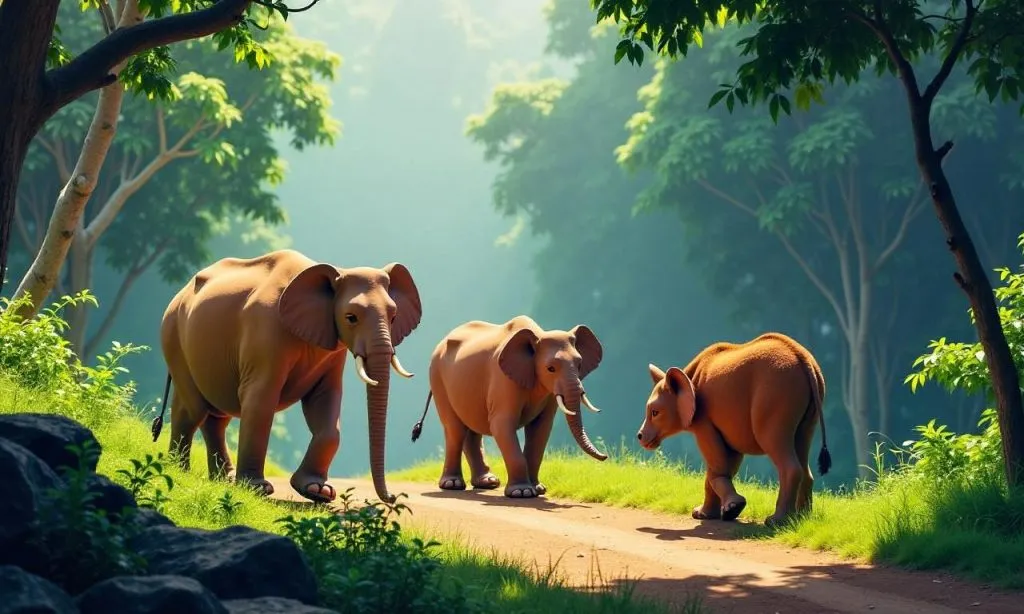
In recent years, the global biodiversity crisis has intensified, with endangered animals facing unprecedented threats due to human activities, climate change, and habitat destruction. According to the International Union for Conservation of Nature (IUCN), over 42,000 species are at risk of extinction, and this number continues to rise. Saving endangered animals is not just a matter of preserving wildlife; it is essential for maintaining ecological balance and ensuring the survival of countless ecosystems. This article provides a comprehensive save endangered animals: step-by-step guide to help individuals and communities take meaningful action toward protecting these vulnerable creatures.
Understanding the Crisis: Why Save Endangered Animals is Urgent
Before diving into the practical steps to save endangered animals, it is crucial to understand the magnitude of the problem. Endangered animals are species that are at high risk of disappearing forever due to factors such as habitat loss, pollution, climate change, and overexploitation. These animals play a vital role in ecosystem services, including pollination, seed dispersal, and pest control. When a species becomes extinct, it can disrupt the delicate balance of its environment, leading to cascading effects on other species and even human livelihoods.
The loss of biodiversity is not only a threat to nature but also a warning sign for the future of our planet. For example, the decline of bees has raised concerns about food production, while the disappearance of large predators like tigers or wolves can lead to overpopulation of prey species, causing overgrazing and degradation of natural habitats. By saving endangered animals, we are not only protecting individual species but also safeguarding the integrity of entire ecosystems.
One of the most pressing reasons to take action is the accelerated rate of extinction. Scientists estimate that the current extinction rate is 1,000 times higher than the natural rate, primarily due to human-induced activities. This means that many species could vanish within decades if urgent measures are not taken. The step-by-step guide outlined in this article offers actionable strategies to reverse this trend and contribute to global conservation efforts.
Step 1: Reducing Habitat Destruction: The First Step to Save Endangered Animals
Habitat destruction is one of the leading causes of extinction. As human populations grow and demand for land increases, natural habitats are being cleared for agriculture, urban development, and resource extraction. This loss of habitat not only threatens the survival of species but also reduces their ability to find food, shelter, and mates.
Protecting Natural Habitats
To save endangered animals, protecting their natural habitats is the most critical first step. This involves identifying and preserving key areas where endangered species live, such as forests, wetlands, and grasslands. Conservationists often use habitat mapping and ecological assessments to determine which regions are most vulnerable to development.
Bold actions such as establishing protected reserves or national parks can provide safe havens for endangered species. For instance, the creation of the Amazon Rainforest Reserves has helped protect species like jaguars and harpy eagles from deforestation. These protected areas allow animals to thrive without human interference, ensuring that biodiversity is maintained.
Promoting Reforestation and Restoration
Deforestation and land degradation are major contributors to habitat loss. Reforestation and habitat restoration projects can help reverse this damage. Planting native tree species and restoring degraded areas not only supports wildlife but also improves the overall health of ecosystems. Bold initiatives like tree-planting campaigns or rewilding programs can be effective ways to save endangered animals. For example, reforestation efforts in Madagascar have helped revive populations of lemurs, which are critically endangered due to habitat destruction. Italics emphasize the importance of restoring ecosystems to their original state, creating conditions for species to flourish.
Encouraging Sustainable Land Use
Sustainable land use practices can significantly reduce habitat destruction. This includes agricultural methods that minimize environmental impact, such as organic farming or agroforestry. These approaches allow humans to coexist with nature while preserving critical habitats. Bold policies that promote land-use planning and zoning laws can ensure that development projects do not encroach on endangered species’ habitats. For instance, green belts around urban areas can act as buffer zones to protect wildlife corridors. Italics highlight the role of local communities in adopting sustainable practices to support endangered animal conservation.
Step 2: Combating Poaching: A Vital Step to Save Endangered Animals
Poaching remains a major threat to many endangered species, driven by illegal wildlife trade and demand for exotic products. Elephants, rhinos, and tigers are among the most targeted animals due to their ivory, horns, and skins, which are highly valued in markets worldwide.
Strengthening Anti-Poaching Measures
To save endangered animals, anti-poaching efforts must be enhanced through technology and law enforcement. Camera traps, drones, and GPS tracking can help monitor wildlife and detect poaching activities in real-time. Bold investments in conservation technology can significantly reduce illegal hunting.
Italics emphasize the importance of trained rangers and patrols in high-risk areas. For example, community-based anti-poaching units in Kenya and South Africa have successfully reduced poaching incidents by involving local populations in conservation monitoring. Bold collaboration between governments, NGOs, and international organizations is key to combating poaching on a global scale.

Enforcing Legal Frameworks
Strong legal frameworks are essential for saving endangered animals. Laws that protect wildlife and penalize illegal hunting can deter poachers and provide justice for those caught. Bold measures such as increasing penalties or imposing trade restrictions can make poaching less profitable. Italics highlight the role of international agreements like the Convention on International Trade in Endangered Species (CITES) in regulating the trade of endangered animals. By enforcing these laws, we can prevent the exploitation of vulnerable species and ensure their survival.
Step 3: Supporting Conservation Efforts: How to Save Endangered Animals Through Active Participation
Individuals and communities can play a pivotal role in saving endangered animals by supporting conservation initiatives. These efforts range from volunteering in wildlife rescue programs to donating to reputable organizations.
Volunteering and Citizen Science
Volunteering is a powerful way to save endangered animals. People can participate in field surveys, monitor wildlife populations, or assist in rehabilitation centers for injured animals. Italics emphasize that every contribution counts, whether it is collecting data or raising awareness. Bold citizen science projects, such as crowdsourced wildlife tracking or photo identification programs, allow the public to directly contribute to conservation research. For example, birdwatching apps enable users to report sightings of endangered birds, which help scientists track migration patterns and population trends.
Donating to Conservation Organizations
Financial support is another crucial step to save endangered animals. Donations can fund research, habitat restoration, and anti-poaching operations. Bold choosing reputable organizations ensures that funds are used efficiently and transparency is maintained. Italics highlight that even small contributions can make a significant impact. For instance, monthly donations to the World Wildlife Fund (WWF) can support global conservation projects, while one-time donations might fund specific rescue operations.
Step 4: Raising Awareness and Advocacy: The Key to Long-Term Success in Saving Endangered Animals
Public awareness is inseparable from effective conservation. Without widespread understanding of the threats facing endangered animals, it is unlikely that large-scale change will occur. Bold campaigns that educate communities and consumers can foster a culture of conservation.
Educating Communities About Endangered Animals
Local communities are often the first line of defense in saving endangered animals. Educating them about the ecological importance of these species can encourage sustainable practices and reduce human-wildlife conflict. Italics emphasize that community engagement is essential. For example, school programs and workshops in rural areas can teach children and adults about endangered species and ways to protect them. Bold education initiatives that combine traditional knowledge with modern science can create long-term solutions.
Advocating for Policy Changes
Advocacy is another critical step to save endangered animals. By pushing for policy changes, individuals can influence governments and corporations to adopt eco-friendly practices. Bold lobbying efforts, social media campaigns, and public petitions can raise pressure for legislative action. Italics highlight the importance of voice and influence in shaping conservation policies. For instance, raising awareness about the impact of plastic pollution on marine life can lead to bans on single-use plastics and protect species like sea turtles and whales. Bold advocacy not only supports endangered animals but also drives systemic change.
Encouraging Sustainable Consumer Choices
Consumer choices have a direct impact on endangered animal conservation. By supporting eco-friendly products and avoiding items made from endangered species, individuals can reduce the demand for wildlife exploitation. Italics emphasize that every purchase is a vote for the environment. For example, choosing certified sustainable seafood helps protect marine species like tuna and sea turtles. Bold initiatives such as eco-labeling and ethical fashion movements can guide consumers toward responsible choices.
Conclusion
Saving endangered animals requires a multi-faceted approach that combines habitat preservation, anti-poaching measures, community involvement, and policy advocacy. The step-by-step guide outlined in this article provides a clear roadmap for individuals and organizations to contribute to conservation efforts. By taking actionable steps such as reducing habitat destruction, combating poaching, supporting conservation projects, and raising awareness, we can ensure the survival of vulnerable species.
Bold collective action and persistent efforts are necessary to reverse the current biodiversity crisis. Italics highlight that every individual has the power to make a difference. Whether it is planting trees, volunteering for wildlife rescue, or advocating for policy changes, these simple yet effective steps can help save endangered animals for future generations. Let us embrace the challenge and work together to protect the planet’s precious wildlife.
