
Save Endangered Animals: Conservation Efforts Making a Difference
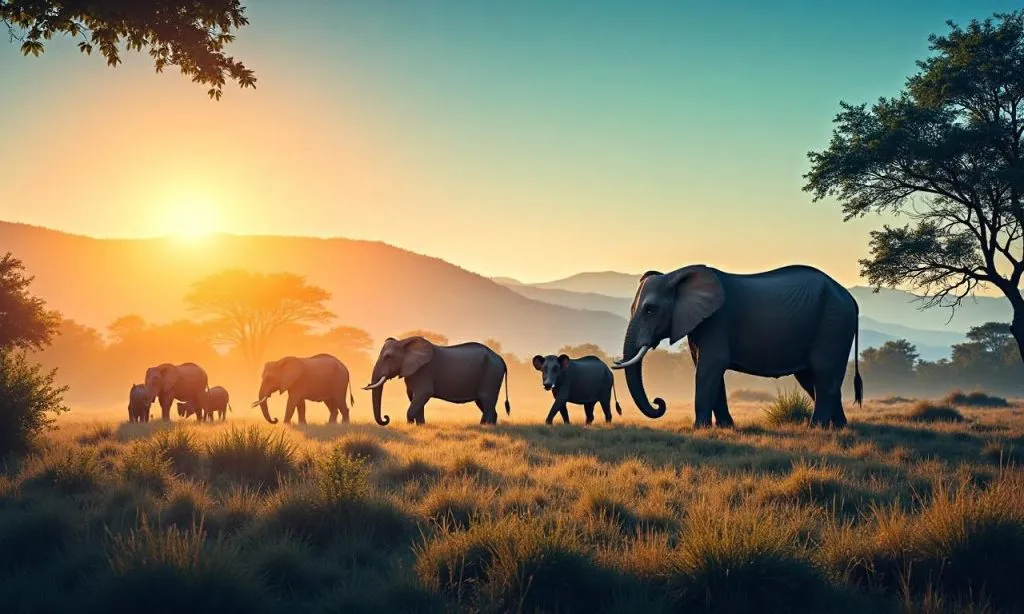
In a world where biodiversity is under constant threat, the survival of endangered animals has become a pressing global issue. From the majestic tigers of Asia to the gentle whales of the oceans, countless species face the risk of extinction due to human activities, climate change, and habitat destruction. However, the good news is that conservation efforts for endangered animals are gaining momentum worldwide, offering hope for the preservation of these vulnerable creatures. This article explores the critical role of conservation efforts for endangered animals, the challenges they encounter, and the tangible impact these initiatives have made in recent years. By understanding the importance of these efforts, we can appreciate the strides being made to protect our planet’s natural heritage.
The Importance of Conservation Efforts for Endangered Animals
Understanding the Threats to Wildlife
The conservation efforts for endangered animals are essential because they address the root causes of species decline. Habitat loss, driven by deforestation, urbanization, and agriculture, is one of the leading threats. For example, the Amazon rainforest, home to thousands of species, has lost over 17% of its area in the last 50 years. This destruction not only displaces animals but also disrupts ecosystems, leading to cascading effects on biodiversity. Additionally, climate change exacerbates these challenges, altering temperatures and weather patterns that many species rely on for survival.
Another major threat is poaching and illegal wildlife trade, which continues to decimate populations of animals like elephants and rhinos for their ivory and horns. According to the World Wildlife Fund, over 20,000 elephants are poached annually, primarily for ivory. These actions are often fueled by demand for exotic products and the lack of effective enforcement in certain regions. Furthermore, pollution, invasive species, and overfishing also contribute to the endangerment of animals, making conservation efforts for endangered animals a multifaceted challenge that requires coordinated action.
The Role of International Collaboration
Global cooperation has become a cornerstone of conservation efforts for endangered animals. Organizations like the IUCN (International Union for Conservation of Nature) and WWF (World Wildlife Fund) play a pivotal role in monitoring species, setting conservation priorities, and facilitating cross-border initiatives. For instance, the Convention on International Trade in Endangered Species of Wild Fauna and Flora (CITES) is a key international agreement that regulates the trade of endangered animals and their products. By bringing together governments, scientists, and activists, these collaborations help create conservation efforts for endangered animals that are both scalable and sustainable.
Advances in Technology and Innovation
Technology has revolutionized the way we approach conservation efforts for endangered animals. Satellite imagery, GPS tracking, and drones are now used to monitor wildlife populations and detect illegal activities in real-time. For example, conservation efforts for endangered animals in Africa have leveraged camera traps and AI to identify and track rhinos, reducing poaching incidents by up to 40% in some areas. Genetic research and cloning techniques also offer new possibilities for species recovery, as seen in the successful conservation efforts for endangered animals involving Asian elephants and sumatran rhinos. These innovations not only enhance the effectiveness of conservation strategies but also empower researchers to make data-driven decisions.
The Impact of Conservation Efforts on Endangered Species
Habitat Restoration and Protection
One of the most significant conservation efforts for endangered animals is habitat restoration. By rehabilitating degraded ecosystems, conservationists can provide safe spaces for species to thrive. For example, the Giant Panda population in China has increased by more than 17% since 2014, thanks to reforestation projects and the creation of protected reserves. These efforts ensure that animals have access to food, shelter, and breeding grounds, which are crucial for their survival.
Habitat protection also involves conservation efforts for endangered animals through policies like national parks and wildlife corridors. The Serengeti National Park in Tanzania, for instance, has been instrumental in preserving the migratory routes of wildebeests and other species. Such protected areas not only safeguard species but also promote ecotourism, which generates funds for further conservation. However, habitat restoration requires long-term commitment, as it often takes decades for ecosystems to recover fully.
Anti-Poaching and Law Enforcement
Conservation efforts for endangered animals have also focused on combatting poaching through stricter laws and improved enforcement. In Kenya, the Amboseli Elephant Conservation Centre has worked closely with local communities and rangers to reduce elephant poaching by 70% in the past decade. Similarly, conservation efforts for endangered animals in Southeast Asia have led to the confiscation of thousands of tigers from illegal trade, thanks to increased surveillance and international partnerships.
Technology plays a vital role in these efforts. Conservation efforts for endangered animals now use digital tools like radio collars and smart sensors to track animals and deter poachers. Additionally, community-based programs have been successful in reducing human-wildlife conflict by providing education and incentives for local populations to become stewards of their environment. These combined strategies have significantly improved the chances of survival for many species.
Breeding Programs and Captive Rearing
Captive breeding programs are a crucial part of conservation efforts for endangered animals, particularly for species with critically low numbers. The California Condor recovery program, for example, has brought the species from the brink of extinction, increasing its population from 27 individuals in 1987 to over 500 today. These programs focus on genetic diversity, disease resistance, and population growth, ensuring that animals can be reintroduced to the wild when conditions improve. Conservation efforts for endangered animals also include captive rearing and habitat enrichment to prepare animals for life in the wild. The Sumatran Orangutan Conservation Programme in Indonesia has successfully raised and released over 1,000 orangutans into protected forests, helping to stabilize their numbers. While these programs are effective, they require careful planning and resources to ensure long-term success.
Public Awareness and Education
Raising public awareness is a key component of conservation efforts for endangered animals. Educational campaigns have played a vital role in changing consumer behavior and reducing demand for endangered species products. For example, the Save the Elephants campaign in Africa has helped educate millions of people about the importance of protecting elephants from poaching. Conservation efforts for endangered animals also involve partnerships with schools, media, and influencers to spread knowledge about biodiversity and environmental sustainability. Social media platforms have become powerful tools for engaging younger generations, with hashtags like #SaveTheTigers and #EndangeredAnimals gaining traction worldwide. These efforts not only inspire action but also foster a sense of responsibility among the public.

Success Stories: When Conservation Efforts Worked
The Revival of the Snow Leopard
The conservation efforts for endangered animals aimed at the snow leopard in Central Asia have yielded remarkable results. Once threatened by habitat loss and poaching, the snow leopard population has stabilized in some regions due to protected areas and community-led conservation projects. For example, in Karakorum and Himalayan regions, local communities have been trained to monitor and protect these elusive felines, leading to a 30% increase in sightings over the past five years.
The Recovery of the Leatherback Sea Turtle
The conservation efforts for endangered animals surrounding the leatherback sea turtle have also been successful. Once thought to be extinct, these turtles are now being protected through beach patrols, nest monitoring, and the reduction of plastic pollution in oceans. In Costa Rica, a conservation efforts for endangered animals project has increased turtle hatchlings by 60% since its inception in 2010, demonstrating the power of targeted interventions.
The Conservation of the Giant Panda
The conservation efforts for endangered animals in China have led to the giant panda becoming a symbol of successful wildlife recovery. By protecting bamboo forests and reducing poaching, the giant panda population has grown, and the species was reclassified from “Endangered” to “Vulnerable” by the IUCN in 2016. This achievement highlights how conservation efforts for endangered animals can reverse the fortunes of even the most threatened species.
The Role of Zoos and Wildlife Sanctuaries
Zoos and wildlife sanctuaries have become hubs for conservation efforts for endangered animals. These facilities not only provide safe habitats for animals but also support research, breeding programs, and public education. For instance, the San Diego Zoo has been instrumental in conservation efforts for endangered animals like the California Condor and Golden Lion Tamarin, contributing to their survival through scientific research and collaboration with conservationists worldwide.
Challenges and the Road Ahead
Funding and Resource Allocation
Despite the progress made through conservation efforts for endangered animals, funding remains a persistent challenge. Many conservation projects rely on donations and grants, which can be inconsistent. However, innovative funding models, such as crowdfunding and carbon credits, are emerging to support long-term initiatives. For example, the Amazon Conservation Association has successfully raised millions through public support, enabling the protection of critical habitats for jaguars and macaws.
Political and Social Factors
Political instability and lack of government support can hinder conservation efforts for endangered animals. In some regions, deforestation and illegal logging continue due to weak enforcement and economic pressures. Yet, conservation efforts for endangered animals are often driven by grassroots movements and local leaders who advocate for environmental protection. The Tunisia National Parks Association, for instance, has mobilized communities to protect North African ostriches and dugongs, despite national budget constraints.
Climate Change and Emerging Threats
Climate change poses new challenges to conservation efforts for endangered animals. Rising sea levels, extreme weather events, and shifting habitats threaten species like coral reef fish and polar bears. To address this, conservation efforts for endangered animals are increasingly incorporating climate adaptation strategies, such as creating resilient habitats and monitoring long-term environmental changes.
The Need for Global Participation
To ensure the success of conservation efforts for endangered animals, global participation is essential. Every individual can contribute by reducing their carbon footprint, supporting eco-friendly products, and participating in local conservation initiatives. For example, the Whale Conservation Fund relies on global donations to protect blue whales and humpback whales from overfishing and pollution.
Conclusion: A Hopeful Future
The journey of conservation efforts for endangered animals is a testament to human resilience and determination. While challenges like habitat loss, poaching, and climate change persist, the collaborative efforts of governments, organizations, and individuals have already made a significant impact. The revival of the giant panda, the protection of snow leopards, and the success of leatherback sea turtle programs all showcase how conservation efforts for endangered animals can turn the tide in their favor. As we continue to invest in these efforts, we take a step closer to ensuring that future generations can witness the beauty and diversity of wildlife in its natural habitat. The fight to save endangered animals is not just a conservation mission—it is a shared responsibility that promises a brighter, more sustainable future for all living beings.
