
How to stay strong as you age without injuring yourself
How to stay strong as you age without injuring yourself
Dana Santas, the “Mobility Maker,” is a certified strength and conditioning specialist and mind-body coach in professional sports, as well as the author of “Practical Solutions for Back Pain Relief.” For those in midlife or beyond, the advice to build strength through weightlifting has been a familiar refrain. Yet this recommendation often carries an unspoken anxiety: What if the effort leads to harm? What if joints can’t endure the strain? What if a misstep causes pre-existing discomfort to intensify? Strength training remains a vital tool for aging well, but concerns about injury are valid, especially as physical resilience wanes with time.
Resistance training — or strength training — is a key strategy to counteract age-related decline. However, beginning with heavier loads can overwhelm the body’s connective tissues, which adapt more slowly than muscles. Instead, a smarter starting point lies in leveraging body weight as resistance. This approach allows individuals to build strength while understanding their movement patterns, joint responses, and physical boundaries. When a motion feels unstable or strained, it provides critical clues to adjust exercises and prevent damage.
Body weight as the foundation
Using one’s own body weight is typically the safest and most effective way to begin. It helps establish foundational movement patterns that support everyday tasks, such as sitting, standing, lifting, and balancing. By prioritizing these basics, the body learns to distribute force efficiently, reducing the likelihood of compensating with painful mechanics. Core engagement, for instance, isn’t about tucking the stomach in but about stabilizing the torso during movement.
“Addressing mobility issues before adding external resistance can dramatically reduce injury risk.”
Common limitations — like tight hips or restricted upper-back movement — often lead to strain on unsupported areas. For example, tight hip flexors can transfer stress to the lower back, making movement more challenging. Identifying these issues through daily observations, such as difficulty reaching overhead or a tendency to lean forward when sitting, is essential before progressing to more intense exercises.
Functional movements for everyday life
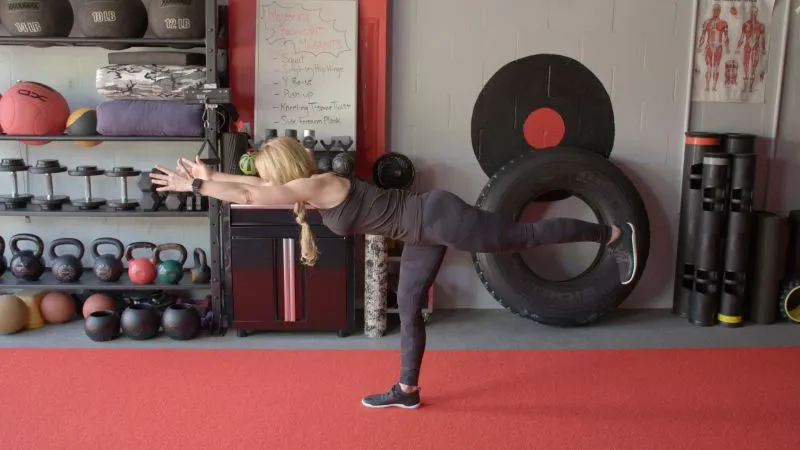
Beginner-friendly exercises focus on fundamental patterns that underpin daily activities. These include squatting, hinging, stepping, pushing, pulling, and core stabilization. Mastering these movements ensures the body can handle external loads safely. For instance, a chair squat — standing in front of a sturdy chair, sitting back with bent knees, then rising — is a simple yet effective way to build strength while maintaining control.
Consistency and patience are crucial. While weightlifting can enhance muscle mass, it’s not the only path to strength. Body-weight exercises offer a low-risk entry point, allowing for gradual progression. Always consult a doctor before starting any routine to ensure safety, especially if mobility challenges persist.
