
Huge venomous ‘flying’ spiders are beginning to swarm the US
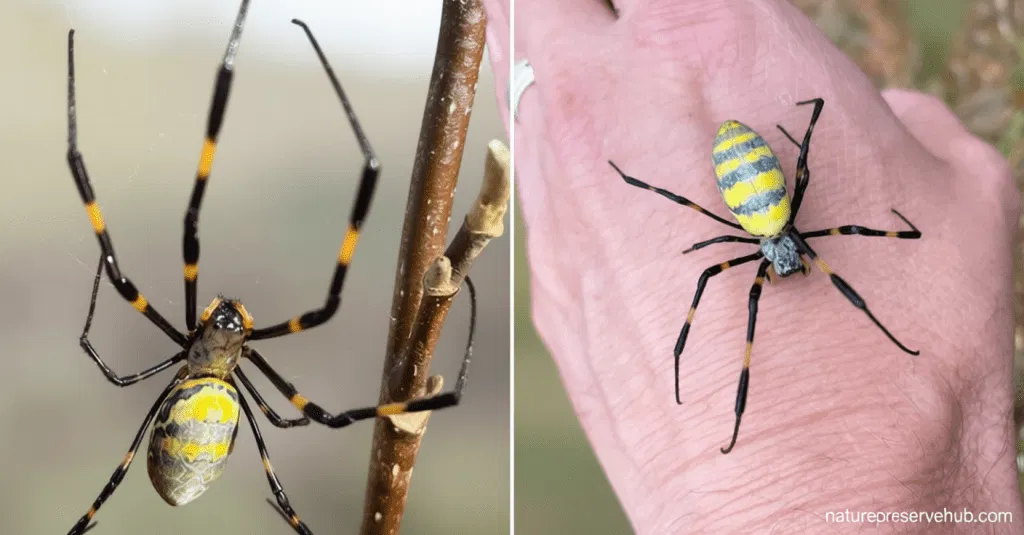
A surge of venomous ‘flying’ spiders is sweeping across the United States
Arachnophobes should prepare for a new wave of giant, bright yellow spiders. These creatures are increasingly noticeable in various parts of the country, signaling a growing presence.
Origin and Arrival
The Jorospider, not originally found in the US, hails from regions such as Japan, China, South Korea, and Taiwan. Experts believe it arrived in America over a decade ago, likely through shipping containers destined for Georgia.
Expanding Territory
Since its introduction, the species has steadily increased its range. New locations report sightings annually, with a new wave of spiders on the horizon as the next generation prepares to emerge.
Distinctive Features
Females boast a striking yellow exoskeleton adorned with blue stripes and red accents, while males are more subdued in appearance. Their vibrant coloration often draws attention, as they are more noticeable than their smaller, browner counterparts.
Web Construction and Ecology
These spiders craft expansive golden webs that can materialize overnight. As populations rise, such webs are becoming common. They efficiently trap prey, making encounters with them more frequent for unsuspecting passersby.
Size and Behavior
Some specimens can grow to the size of a human palm. Though not aggressive, they are known to consume males after mating, a behavior that challenges traditional gender roles.
Geographic Spread
Recorded sightings have been reported in Georgia, Tennessee, North and South Carolina, Virginia, Maryland, and Pennsylvania. Even California has reported encounters, suggesting their reach will only widen.
Ballooning as a Mobility Strategy
Joro spiders utilize a technique called ballooning to traverse distances. By releasing silk strands, they catch air currents and drift several feet at a time. While not true flight, this method allows them to move across regions with surprising ease.
Non-Threat to Humans
Though venomous, these spiders are not a threat to humans or domestic animals. José R. Ramírez-Garofalo, an ecologist from Staten Island, noted:
‘There have been no documented fatalities, nor any notable medically significant bites.’
He further explained:
‘Taken together with their behavior (they are very reluctant to bite) and the evidence from the literature, they really pose no threat to humans or our pets.’
Research Insights
Researchers at the University of Georgia have explored their adaptability to human environments. Using tuning forks to mimic traffic vibrations, they found Joros remain indifferent to disturbances. Andy Davis from the university remarked:
‘These Joro webs are everywhere in the fall, including right next to busy roads, and the spiders seem to be able to make a living there.’
Resilience in Cold Climates
Studies indicate their ability to withstand cold temperatures is remarkable. In freezing trials, over 75% of Joro spiders survived without complications. This resilience, combined with a fast metabolism and quick heart rate, fuels their rapid spread across new environments.
