
Create a Butterfly Garden Habitat: A Beginner’s Guide
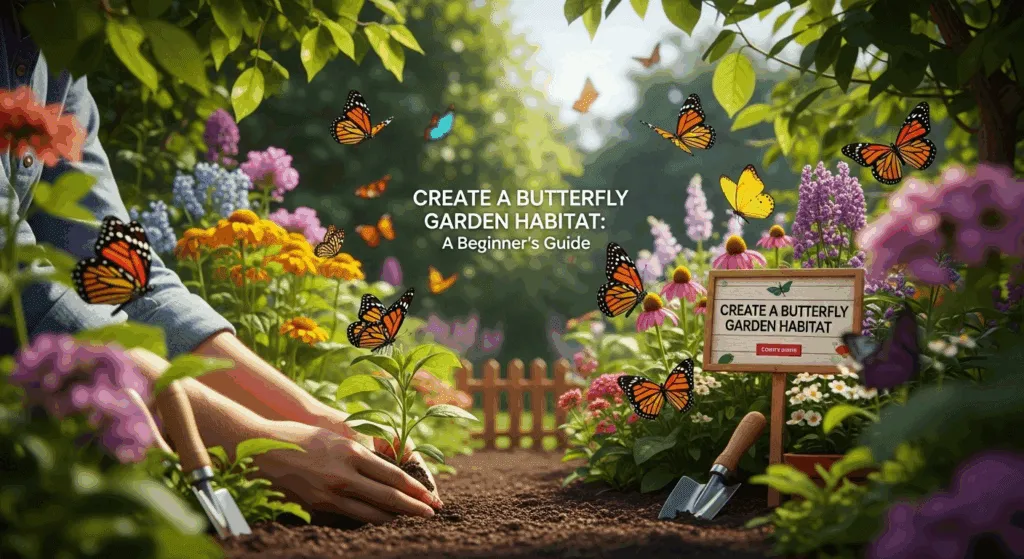
Watching a butterfly gracefully flutter from flower to flower is a magical experience. These delicate insects are not only beautiful but are also vital pollinators for our ecosystem. Creating a space that welcomes them is a rewarding project that combines gardening, conservation, and nature observation right in your own backyard. Many aspiring gardeners wonder how to create a butterfly garden habitat that truly thrives. It's about more than just planting pretty flowers; it's about building a complete, self-sustaining ecosystem that supports butterflies through every stage of their fascinating life cycle. This comprehensive guide will walk you through every step, transforming your yard, patio, or balcony into a vibrant sanctuary for these winged jewels.
Create a Butterfly Garden Habitat: A Beginner's Guide
Transforming a patch of your yard into a bustling butterfly sanctuary is an incredibly fulfilling endeavor. Beyond the visual delight of seeing colorful wings dance among your plants, you are actively participating in conservation. Butterfly populations face numerous threats, from habitat loss to pesticide use, and every dedicated garden, no matter the size, provides a crucial lifeline. This guide will demystify the process, breaking it down into manageable steps that ensure your garden becomes a preferred destination for local butterfly species.
We will cover everything from the foundational understanding of a butterfly's needs to the specific plants you should choose and the long-term maintenance required to keep your habitat healthy and active. You'll learn that a true butterfly habitat caters to the entire life cycle—from the tiny egg to the munching caterpillar, the mysterious chrysalis, and finally, the nectar-sipping adult. By providing food, water, shelter, and a safe place to reproduce, you create a holistic environment where butterflies can flourish for generations.
Whether you have a sprawling lawn or a small urban balcony, the principles remain the same. The key is to think like a butterfly. Where do they feel safe from predators? What do they need to fuel their flight? Where can they lay their eggs to ensure the survival of their offspring? Answering these questions is the first step on the journey. This guide is designed for beginners, but even seasoned gardeners will find valuable tips to enhance their existing pollinator gardens. Let's dig in and build a haven for butterflies together.
Understanding the Butterfly Life Cycle: The "Why" Behind Your Garden
Before you buy a single plant, it's essential to understand the "why" behind your choices. A successful butterfly garden is not just a collection of flowers; it's a carefully planned habitat designed to support the four distinct stages of a butterfly's life. By catering to each phase, you transition from simply attracting passing butterflies to actively helping them reproduce and build a local population. This foundational knowledge is what separates a pretty flower patch from a true, functioning butterfly habitat.
The first stage is the egg. Female butterflies are incredibly selective about where they lay their eggs. They don't just drop them on any leaf; they seek out specific plants known as host plants. These are the only plants their future offspring will be able to eat. The second stage is the larva, more commonly known as the caterpillar. Once it hatches, its sole job is to eat and grow, molting its skin several times as it gets bigger. This is why host plants are non-negotiable for a true habitat—no host plants mean no caterpillars, and therefore, no new butterflies.
After gorging itself, the caterpillar enters the third stage: the pupa. It finds a safe, hidden spot and transforms into a chrysalis (or a cocoon for moths). This is a period of incredible metamorphosis where the caterpillar's body is completely rearranged into the form of an adult butterfly. This stage can last for a couple of weeks or even overwinter, depending on the species and climate. Finally, the fourth stage is the imago, or the adult butterfly. It emerges from the chrysalis, pumps fluid into its wings, and after they dry, takes its first flight. The adult's primary goals are to feed on nectar and to reproduce, starting the entire cycle over again. Your garden's role is to provide the resources for every single one of these steps.
Location and Preparation: Setting the Stage for Success
The placement and preparation of your garden are just as critical as the plants you choose. Butterflies have specific environmental needs, and meeting them will dramatically increase your chances of success. The most important factor is sunlight. Butterflies are cold-blooded creatures and rely on the sun's warmth to power their flight muscles. A garden that receives at least six to eight hours of direct sunlight per day is ideal. Observe your yard throughout the day to identify the sunniest spots. An east- or south-facing location is often a perfect choice.
Once you've selected a sunny spot, consider providing shelter from strong winds. Butterflies are fragile, and battling constant gusts of wind expends precious energy. You can create a natural windbreak by planting your butterfly garden near a fence, a wall of your house, or a line of shrubs or small trees. If you're starting from scratch in an open area, consider planting taller, sturdier plants on the windy side of the garden to protect the more delicate flowers and the butterflies themselves. This creates a calm, warm microclimate that they will find irresistible.
Finally, prepare the soil. While many native plants are adaptable, most will thrive in well-draining soil. If you have heavy clay soil, amend it with compost or other organic matter to improve its structure and drainage. Conversely, if your soil is very sandy, adding compost will help it retain moisture and nutrients. A simple soil test can tell you about its pH and nutrient content, but for most butterfly plants, simply ensuring good drainage and enriching the soil with a few inches of compost is sufficient. This initial preparation creates a healthy foundation for your plants, allowing them to grow strong and produce the abundant blooms butterflies love.
The Heart of the Habitat: Choosing the Right Plants
The plants are the centerpiece of your butterfly garden. To create a complete habitat, you need to provide two fundamental types of plants: nectar plants for the adult butterflies and host plants for their caterpillars. A common mistake for beginners is to focus only on nectar-rich flowers. While these are essential for attracting and feeding adult butterflies, without host plants, you will not be encouraging them to stay and reproduce. The ideal butterfly garden offers a rich buffet for adults and a full nursery for their young.
Thinking about bloom time is also a crucial part of your planting strategy. To support butterflies throughout their active season, you need a continuous supply of nectar. This means selecting a variety of plants that bloom at different times. Include early-spring bloomers to welcome the first butterflies of the season, a plethora of summer-blooming powerhouses for peak season, and late-autumn flowers to fuel migrating species like the Monarch. This sequential blooming ensures your garden is a reliable food source from spring through fall.
Furthermore, consider the design and layout of your plantings. Butterflies are more attracted to large clumps or masses of the same color than to single, scattered plants. Planting in groups of three, five, or more of the same species creates a bold visual target that is easy for them to spot from the air. Also, vary the heights of your plants. Place taller plants like Joe Pye Weed or Ironweed at the back of the border, medium-sized plants like Coneflowers and Black-eyed Susans in the middle, and low-growing ground covers like Creeping Phlox or verbena at the front. This layered approach not only looks beautiful but also provides multiple levels for butterflies to feed and rest.
Nectar Plants: The Adult Butterfly Buffet
Nectar plants are the fuel source for adult butterflies. Their flowers produce a sugary liquid that provides the energy needed for flight, mating, and egg-laying. When selecting nectar plants, variety is key. Butterflies see colors differently than we do, and they are particularly drawn to shades of purple, pink, yellow, orange, and red. Offering a wide color palette will help attract a greater diversity of species. Also, pay attention to flower shape. Butterflies have a long, straw-like tongue called a proboscis, and they prefer flowers with flat-topped clusters (like Yarrow or Sedum) or short floral tubes (like Zinnias and Coneflowers) that provide an easy landing pad and accessible nectar.
For a thriving garden, focus on including a mix of perennials and annuals. Perennials, which come back year after year, form the backbone of your garden. Excellent perennial choices include:
<strong>Purple Coneflower</strong> (Echinacea purpurea*): A favorite of many butterfly species.
<strong>Bee Balm</strong> (Monarda didyma*): Its unique flower shape is perfect for butterflies and hummingbirds.
<strong>Phlox</strong> (Phlox paniculata*): Its large flower clusters are a butterfly magnet in mid-summer.
<strong>Blazing Star</strong> (Liatris spicata*): Its tall purple spikes are adored by Monarchs and Swallowtails.
<strong>Black-eyed Susan</strong> (Rudbeckia hirta*): A sunny, long-blooming flower that provides a great landing spot.
Annuals, which complete their life cycle in one year, are fantastic for filling in gaps and providing non-stop color all season long. They are often inexpensive and easy to grow from seed. Top annuals for butterflies include Zinnias, Cosmos, Lantana, Pentas, and Mexican Sunflower (Tithonia rotundifolia). Lantana is particularly valuable as its flower clusters contain multiple small flowers that offer a huge reward for a single landing.
Host Plants: The Caterpillar Nursery
This is the secret ingredient to creating a truly sustainable butterfly population in your yard. Host plants are the specific plants that a butterfly species will lay its eggs on, and they are the only food source for the resulting caterpillars. The relationship between a butterfly and its host plant is often highly specialized, developed over thousands of years of co-evolution. If you want to see Monarchs, you must plant Milkweed. If you hope to raise Black Swallowtails, you need plants from the carrot family. Planting host plants is a direct invitation for butterflies to make your garden their home.
It's important to accept that having host plants means you will have caterpillars, and caterpillars eat leaves. Seeing chewed leaves on your host plants is not a sign of a problem; it is the ultimate sign of success! It means your garden is functioning as a true habitat. Resist the urge to "clean up" or remove the caterpillars. They are simply the next generation of the beautiful butterflies you want to attract. A single Monarch caterpillar, for example, will eat a surprising amount of Milkweed leaves before it's ready to form its chrysalis, but this is a natural and necessary process.
Here are some essential host plant and butterfly pairings to get you started:
<strong>Monarch Butterfly</strong>: Milkweed species (Asclepias tuberosa, A. syriaca, A. incarnata*) are their only host plant.
- Black Swallowtail: Plants in the carrot family, including Parsley, Dill, Fennel, and Queen Anne's Lace.
- Eastern Tiger Swallowtail: Native trees like Tulip Poplar, Wild Cherry, and Sweet Bay Magnolia.
- Painted Lady: Thistles, Mallow, and Hollyhock.
<strong>Spicebush Swallowtail</strong>: Spicebush (Lindera benzoin*) and Sassafras trees.
The Power of Native Plants
While many ornamental flowers can provide nectar, prioritizing native plants is one of the most impactful choices you can make for your butterfly garden. Native plants are species that have historically grown in your specific region or ecosystem. They have co-evolved with local wildlife, including butterflies, and are perfectly adapted to your local climate, soil, and rainfall patterns. This means they generally require less water, no fertilizer, and are more resistant to local pests and diseases once established.
For butterflies, native plants offer the highest quality food. The nectar, pollen, and foliage are precisely what they and their ancestors have relied on for millennia. Furthermore, many butterflies have specialist relationships with native host plants that non-native species simply cannot fulfill. By planting natives, you are not just supporting butterflies; you are restoring a small piece of your local ecosystem, providing food and shelter for beneficial insects, birds, and other wildlife.
Finding plants native to your area is easier than ever. Contact your local university extension office, visit a native plant society website, or look for a local nursery that specializes in native species. They can provide lists and recommendations tailored specifically to your zip code. Incorporating plants like native Asters, Goldenrods (Solidago species), and Ironweed (Vernonia species) will not only bring in butterflies but will also create a garden that is resilient, sustainable, and deeply connected to its natural surroundings.
| Butterfly Species | Primary Host Plant(s) | Favorite Nectar Plants |
|---|---|---|
| Monarch (Danaus plexippus) | Milkweed (Asclepias species) | Liatris, Joe Pye Weed, Goldenrod, Zinnia |
| Black Swallowtail (Papilio polyxenes) | Parsley, Dill, Fennel, Queen Anne's Lace | Phlox, Milkweed, Red Clover |
| Eastern Tiger Swallowtail (Papilio glaucus) | Tulip Tree, Wild Cherry, Ash, Magnolia | Lilac, Bee Balm, Phlox, Ironweed |
| Painted Lady (Vanessa cardui) | Thistles, Hollyhock, Mallow | Aster, Cosmos, Zinnia, Joe Pye Weed |
| Spicebush Swallowtail (Papilio troilus) | Spicebush, Sassafras | Azalea, Honeysuckle, Milkweed, Bee Balm |

Providing Essential Resources Beyond Plants
A truly complete habitat offers more than just food. Butterflies, like all living creatures, require water, a place to warm up, and shelter from predators and harsh weather. Integrating these simple elements into your garden design will make it significantly more attractive and functional as a long-term sanctuary. These finishing touches show a deeper understanding of a butterfly's daily needs and will encourage them to linger longer in the safe haven you’ve created.
These additional resources don't need to be complex or expensive. Often, they involve using natural materials and a bit of thoughtful placement. A flat rock, a shallow dish of sand, or a small brush pile can make a world of difference. When you provide these amenities, you are catering to the subtle behaviors that are essential for a butterfly's survival—behaviors that go beyond simply feeding on flowers.
Water and Minerals: The Puddling Station
You may have seen butterflies gathered on a patch of damp soil or a mud puddle. This behavior is called puddling, and it's how they get essential minerals and salts that are not available in flower nectar. Male butterflies, in particular, engage in puddling to gather nutrients they pass to the female during mating, which helps improve the viability of their eggs. You can easily replicate this natural feature by creating a dedicated puddling station.
To make one, simply fill a shallow dish (like a plant saucer or a birdbath basin) with sand. Bury the dish in your garden so the rim is level with the soil. Add enough water to make the sand damp but not so much that it forms a standing pool of water, as butterflies can drown. You can also mix in a little bit of compost or a pinch of sea salt to provide extra minerals. Place the puddling station in a sunny, visible spot, and remember to keep the sand consistently moist, especially on hot days.
Basking and Shelter: A Place to Rest and Hide
Because butterflies are cold-blooded, they need to warm up their bodies before they can fly. They do this by basking in the sun, spreading their wings to absorb as much solar energy as possible. You can aid this process by placing a few flat, dark-colored rocks in sunny spots throughout your garden. The rocks will absorb the sun's heat, providing a perfect toasty platform for a butterfly to rest and warm its flight muscles on a cool morning.
Shelter is equally important. Butterflies need a place to hide from predators like birds and spiders, as well as to seek refuge from wind and rain. A small, loosely stacked pile of sticks and branches (a "brush pile") in a corner of your yard can provide excellent shelter. Planting dense shrubs or leaving some perennial stems standing over the winter also offers protection. Many butterfly species, including the Mourning Cloak, overwinter as adults and will tuck themselves into a crevice in a log or a pile of leaves to wait for spring. Providing these safe havens is critical for their year-round survival.
Maintaining Your Butterfly Haven: Long-Term Care
Creating your butterfly garden is the first step; maintaining it is the key to its long-term success. A well-maintained habitat will become more lush and productive each year, supporting an ever-growing number of butterflies. The good news is that a garden designed with native plants is often lower maintenance than a traditional flower bed. However, a few key practices are essential to ensure it remains a safe and healthy environment for its delicate inhabitants.
The core principle of butterfly garden maintenance revolves around creating a safe, naturalistic environment. This means rethinking traditional gardening chores like aggressive fall cleanups and the routine use of chemicals. Your goal is to work with nature, not against it. By adopting a more eco-friendly approach to garden care, you ensure that you are not inadvertently harming the very creatures you've worked so hard to attract.
The Golden Rule: Go Pesticide-Free
This is the single most important rule of maintaining a butterfly garden. You must avoid all pesticides, including insecticides, fungicides, and herbicides. Most chemical insecticides are broad-spectrum, meaning they kill indiscriminately. They cannot tell the difference between a "pest" like an aphid and a "guest" like a Monarch caterpillar. Spraying your plants with these chemicals will decimate your caterpillar population and can harm or kill adult butterflies that visit the flowers.
If you encounter pest problems like aphids, turn to organic and natural solutions first. A strong jet of water from the hose is often enough to dislodge them. You can also encourage beneficial insects like ladybugs and lacewings (which are natural predators of aphids) by planting a diversity of native plants. Remember, a healthy ecosystem has a natural balance of predators and prey. A few aphids on a plant are not a crisis; they are food for another creature. If you must intervene, use targeted, gentle options like insecticidal soap, but use it with extreme care and never spray it on plants where you see caterpillars or eggs.
Seasonal Upkeep and Pruning
Regular maintenance will keep your garden looking good and your plants productive. Deadheading, which is the process of removing spent flowers, can encourage many annuals and some perennials to produce more blooms, extending the nectar season. For plants like Zinnias and Cosmos, simply snipping off the old flowers will trigger a new flush of growth and more food for the butterflies.
However, be very cautious with your fall cleanup. While it can be tempting to cut everything back to the ground for a tidy winter look, you may be destroying the next generation of butterflies. Many species lay eggs on stems or leaves, and some, like the Swallowtails, overwinter in their chrysalis phase, camouflaged on a plant stem or in the leaf litter below. Delay your major garden cleanup until mid-to-late spring, after a few weeks of warm weather. This gives any overwintering butterflies or chrysalises a chance to emerge safely. When you do clean up, do it gently, and consider leaving a pile of leaves and stems in a corner of your yard just in case.
Frequently Asked Questions (FAQ)
Q: How long will it take to attract butterflies to my new garden?
A: You can attract adult butterflies surprisingly quickly! If you plant nectar-rich, blooming flowers like Zinnias or Lantana, you could see your first visitors within days or weeks of planting, especially during the peak summer season. However, building a true habitat where butterflies reproduce takes more time. It may take a full season or two for butterflies to discover your host plants and begin laying eggs. Be patient, and keep providing the right resources; they will come.
Q: Is it really okay for caterpillars to eat my plant leaves until they're bare?
A: Yes, absolutely! Seeing your host plants, like Milkweed or Dill, being heavily eaten by caterpillars is the ultimate sign of a successful butterfly habitat. It means you are actively helping to create the next generation of butterflies. Healthy, established perennial host plants are resilient and will almost always grow their leaves back after the caterpillars have moved on to their chrysalis stage. The "damage" is temporary and essential for the butterfly life cycle.
Q: I have a very small space/balcony. Can I still create a butterfly garden?
A: Definitely! You don't need a large yard to make a difference. You can create a fantastic butterfly habitat in containers on a sunny patio, balcony, or even a windowsill. Choose a few large pots and plant a combination of a host plant (like Tropical Milkweed or Dwarf Fennel) and a few high-value nectar plants (like Lantana, Pentas, or Zinnia). Be sure to include a small, shallow dish for a puddling station. Even a small container garden can serve as a vital stepping stone and refueling stop for butterflies in an urban environment.
Q: What is the main difference between a butterfly and a moth?
A: While they are related, there are a few easy ways to tell them apart. First, check the antennae: butterfly antennae are thin with a club-like knob at the end, while moth antennae are often feathery or saw-edged. Second, look at how they rest: butterflies typically hold their wings folded up vertically over their backs, whereas moths usually rest with their wings spread flat. Finally, most butterflies are active during the day (diurnal), while most moths are active at night (nocturnal), though there are exceptions to all these rules.
Conclusion
Creating a butterfly garden habitat is a journey of discovery that reconnects you with the natural world. It is an act of creation, conservation, and profound beauty. By moving beyond simply planting flowers and embracing the concept of a full-life-cycle habitat, you provide a sanctuary that nurtures these incredible insects from egg to adult. You will witness the voracious appetite of a caterpillar, the quiet magic of a chrysalis, and the joyful first flight of a newly emerged butterfly.
Remember the key pillars of success: provide abundant sunlight, choose a mix of native nectar and host plants, offer water and basking spots, and commit to a pesticide-free maintenance routine. Whether you start with a few pots on a balcony or dedicate a large plot in your yard, every effort contributes to a network of safe havens for these essential pollinators.
Your garden will become more than just a collection of plants; it will be a dynamic, living stage for one of nature’s most enchanting dramas. You will not only be rewarded with the daily presence of colorful, fluttering wings but also with the deep satisfaction of knowing you are making a tangible, positive impact on your local environment. So grab a trowel, choose your plants, and start building your butterfly haven today.
***
Article Summary
This guide provides a comprehensive, step-by-step approach for beginners on how to create a butterfly garden habitat. It emphasizes that a successful habitat supports all four stages of the butterfly life cycle—egg, larva (caterpillar), pupa (chrysalis), and adult.
Key steps and takeaways include:
- Understanding the Life Cycle: A true habitat requires both nectar plants for adult food and host plants for caterpillars to eat and grow.
- Location and Prep: Choose a location with at least 6-8 hours of direct sunlight. Provide shelter from wind and prepare well-draining soil amended with compost.
- Choosing Plants:
- Plant a variety of nectar sources (e.g., Coneflower, Zinnia, Lantana) that bloom from spring through fall.
- Plant in large clumps to attract butterflies.
- Crucially, plant native host plants specific to the butterflies you want to attract, like Milkweed for Monarchs or Dill/Parsley for Black Swallowtails.
- Essential Resources: Add features beyond plants, such as a puddling station (a shallow dish with wet sand) for minerals and flat, dark rocks for basking in the sun.
- Maintenance: The most important rule is to go completely pesticide-free, as chemicals will kill caterpillars and butterflies. Delay major garden cleanup until late spring to protect overwintering chrysalises and eggs.
- FAQ and Conclusion: The article addresses common beginner questions and concludes by reinforcing that creating a butterfly garden is a rewarding act of conservation that builds a dynamic, living ecosystem in your own space.
