
Exploring the Role of Wetlands as Natural Habitats
Of course. As an SEO expert, I will create a comprehensive, engaging, and SEO-optimized article on the requested topic, adhering to all the specified instructions and best practices.
Here is the article:
—
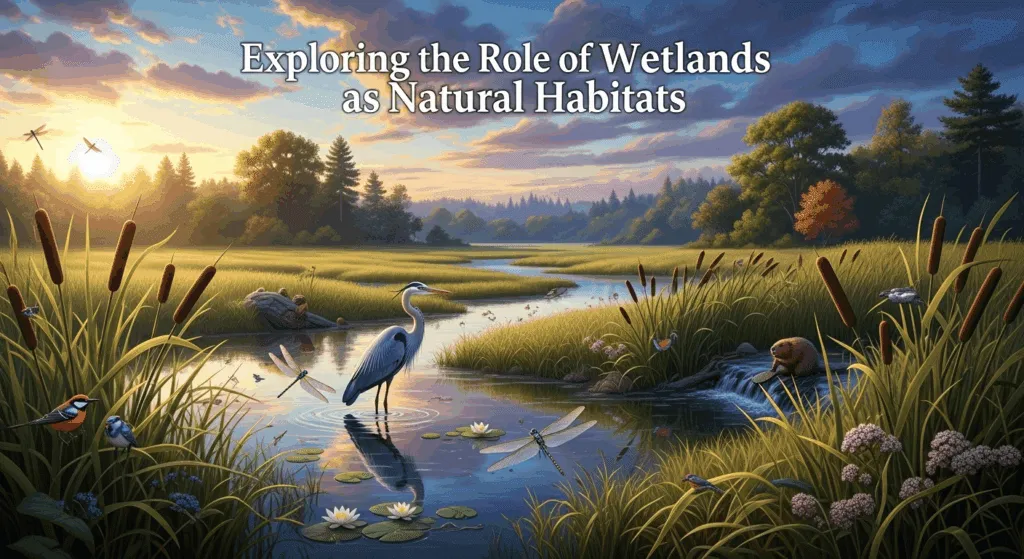
Often overlooked as mere boggy grounds or swampy expanses, wetlands are, in reality, some of the most productive and biologically diverse ecosystems on the planet. These transitional zones, caught between terrestrial and aquatic environments, are teeming with life and perform critical functions that benefit both nature and humanity. Understanding the role of wetlands as natural habitats is a crucial first step in appreciating their immense value and the urgent need for their conservation. From acting as nurseries for countless species to serving as vital stopover points for migratory birds, wetlands are the unsung heroes of global ecological stability.
What Defines a Wetland? A Look Beyond the Surface
At its core, a wetland is an area of land that is either covered by water or saturated with water, either permanently or seasonally. This persistent presence of water creates unique conditions that set wetlands apart from other landforms. The water saturation profoundly influences the soil, plant life, and animal communities found within them. Unlike a lake, which is a deep body of standing water, or a river, which is characterized by flowing water, a wetland's identity is defined by this delicate and dynamic water-land interface.
The scientific definition of a wetland is based on three key characteristics: hydrology, soil type, and vegetation. Wetland hydrology refers to the presence and movement of water, which saturates the soil long enough during the growing season to create anaerobic (low-oxygen) conditions. This leads to the formation of hydric soils, which are chemically and physically different from the soils of dry, upland areas. In turn, these waterlogged, low-oxygen soils can only support hydrophytic vegetation—plant species that are specially adapted to thrive in wet conditions. It is this unique combination that makes a wetland a wetland.
While "wetland" is a general term, it encompasses a rich variety of ecosystems, each with its own distinct character. The main types include:
- Marshes: Dominated by herbaceous plants like cattails, reeds, and grasses. They can be freshwater or saltwater.
- Swamps: Characterized by woody plants, such as trees and shrubs. The Florida Everglades is a famous example of a vast swamp ecosystem.
- Bogs: Spongy, acidic wetlands where peat accumulates. They receive most of their water from rainfall and are low in nutrients, hosting unique plants like sundews and pitcher plants.
- Fens: Similar to bogs but are less acidic and receive their water from groundwater sources, making them richer in nutrients.
The Biodiversity Hotspot: Wetlands as a Cradle of Life
Wetlands are often called "biological supermarkets" for a reason. They provide an immense volume of food that attracts a vast array of species, creating extensive and complex food webs. The combination of shallow water, high nutrient levels, and abundant plant life—from microscopic algae to towering cypress trees—fuels a level of productivity that rivals that of rainforests and coral reefs. This richness supports a density and diversity of life that is disproportionately large for the geographic area they cover.
From the smallest invertebrates to large mammals, a staggering number of species depend on wetlands for their survival. These habitats are home to an incredible variety of insects, amphibians like frogs and salamanders, reptiles such as alligators and turtles, and numerous species of fish. Mammals, including beavers, muskrats, otters, and even large predators like the Florida panther, rely on wetland ecosystems for food, water, and shelter. This diversity is not just about the number of species, but also about the intricate relationships between them, forming a resilient and interconnected community.
The foundational role of wetlands as a habitat is what makes them so crucial for global biodiversity. They provide the necessary conditions for every stage of life. They are breeding grounds, sources of drinking water, and protective shelters from predators and the elements. The loss of a wetland habitat has a ripple effect, impacting not only the species that live within it permanently but also those that depend on it for parts of their life cycle or during seasonal migrations.
Nurseries of the Natural World
One of the most vital functions of wetlands is serving as a nursery for countless species. The shallow, calm, and nutrient-rich waters provide an ideal, protected environment for the early life stages of many animals. For numerous species of fish, both freshwater and saltwater, coastal wetlands like estuaries and salt marshes are critical spawning and nursery grounds. The dense vegetation offers abundant hiding spots for juvenile fish, protecting them from larger predators while they grow.
The importance of wetlands as nurseries extends far beyond fish. Amphibians, which live a "double life" in water and on land, are inextricably linked to these habitats. Frogs, toads, and salamanders lay their eggs in the shallow pools of wetlands, where their aquatic larvae (tadpoles) can develop safely. The abundance of algae and small invertebrates provides a ready food source for these developing young. Without healthy wetlands, the reproductive cycles of entire amphibian populations would collapse, leading to their rapid decline.
Critical Stopovers for Migratory Species
For millions of migratory birds, wetlands are indispensable gas stations and hotels along vast continental flyways. After traveling for hundreds or even thousands of miles, birds like ducks, geese, shorebirds, and cranes descend upon wetlands to rest, feed, and replenish their energy reserves before continuing their epic journeys. These habitats offer a crucial combination of safety from predators and an abundance of food in the form of seeds, invertebrates, and small fish.
The strategic location of wetlands along these migratory routes is no coincidence; the routes themselves have evolved over millennia based on the availability of these life-sustaining habitats. International agreements like the Ramsar Convention on Wetlands were established specifically to recognize and protect these sites of international importance. The loss of even a single major wetland along a flyway can have catastrophic consequences, as it can disrupt the entire migratory pattern and threaten the survival of multiple species that rely on that specific stopover point.
Beyond Habitat: The Priceless Ecosystem Services of Wetlands
While the role of wetlands as natural habitats is profound, their importance extends far beyond the species that call them home. Wetlands provide a suite of essential ecosystem services that are vital for environmental stability and human well-being. These services are often invisible and taken for granted, yet they have immense economic and ecological value. From purifying our water to protecting our communities from floods, wetlands are hardworking, natural infrastructure.
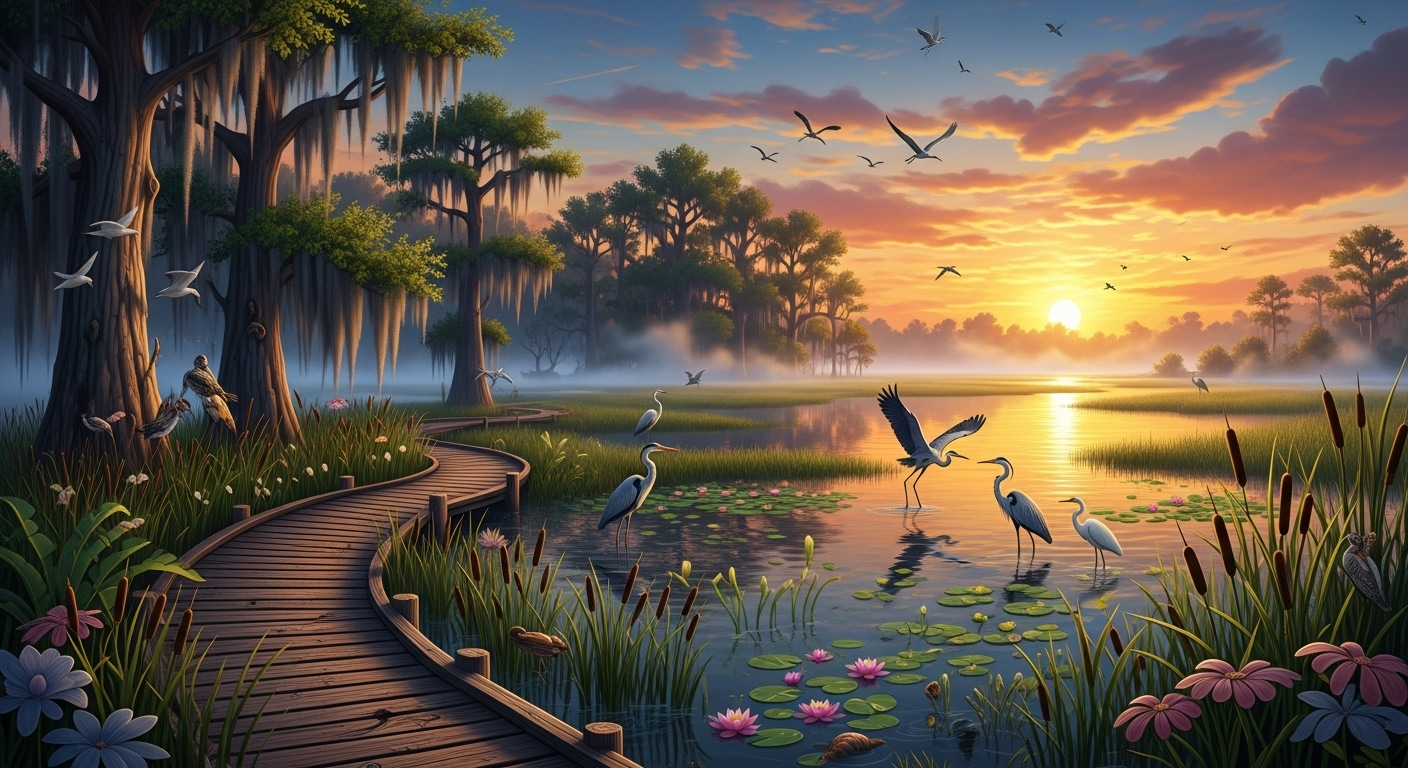
One of the most celebrated services is water filtration. As water flows through a wetland, the dense plant life slows it down, allowing sediments and pollutants suspended in the water to settle out. The plants and microorganisms within the wetland then absorb and break down these pollutants, including excess nutrients from fertilizers, harmful bacteria, and even heavy metals. In this way, wetlands act as highly effective, low-cost natural water purifiers, sending cleaner water downstream into rivers, lakes, and oceans.
Furthermore, wetlands are our first line of defense against flooding and coastal erosion. During heavy rainfall or storm surges, they act like giant natural sponges, soaking up and storing vast amounts of excess water. This slows the release of floodwaters, reducing the height and velocity of floods downstream and protecting human communities and agricultural land. Coastal wetlands, such as mangroves and salt marshes, are particularly important for buffering shorelines against the destructive energy of storm waves, significantly reducing erosion and property damage.
| Ecosystem Service | Description | Benefit to Humans and Nature |
|---|---|---|
| Water Purification | Wetland plants and microbes filter sediments, absorb nutrients (nitrogen, phosphorus), and break down pollutants. | Improves water quality for drinking, recreation, and aquatic life. Reduces the cost of water treatment. |
| Flood Control | Wetlands absorb and store large volumes of rainwater and runoff, releasing it slowly over time. | Reduces the severity and frequency of downstream flooding, protecting homes, infrastructure, and farmland. |
| Biodiversity Habitat | Provides food, water, and shelter for a vast number of plant and animal species. | Supports complex food webs, genetic diversity, and recreational activities like birdwatching and fishing. |
| Carbon Sequestration | Wetland plants and soils, especially peatlands, capture and store immense amounts of atmospheric carbon. | Helps mitigate climate change by removing greenhouse gases from the atmosphere. |
| Shoreline Stabilization | Coastal wetland vegetation binds soil and dissipates wave energy. | Protects coastlines from erosion and storm surges, saving property and natural landscapes. |
On the Brink: Threats Facing Wetland Habitats
Despite their critical importance, wetlands are one of the most threatened ecosystems on Earth. It is estimated that the world has lost over 50% of its wetlands since 1900, and in some regions, the figure is closer to 90%. This staggering loss is driven by a combination of direct human activities and the broader impacts of a changing climate. The primary threats continue to compromise the ability of wetlands to function as habitats and provide their essential ecosystem services.
The main driver of historical and ongoing wetland loss has been land conversion. For centuries, wetlands were seen as unproductive wastelands that needed to be "reclaimed" for human use. This led to massive efforts to drain and fill them for:
- Agriculture: Converting fertile wetland soil into farmland.
- Urban Development: Draining wetlands to build cities, roads, and industrial facilities.
- Pollution: Runoff from farms, cities, and industries introduces pesticides, fertilizers, and toxic chemicals that degrade water quality and harm wildlife.
- Invasive Species: Non-native plants and animals can outcompete native species, disrupting the delicate ecological balance.
Beyond these direct pressures, climate change poses a significant and growing threat. Sea-level rise threatens to drown low-lying coastal wetlands like salt marshes and mangroves. Changes in precipitation patterns can lead to the drying out of inland wetlands, while increased water temperatures can stress aquatic species. More frequent and intense storms can also overwhelm the natural buffering capacity of wetlands, causing severe erosion and habitat destruction.
Conservation and Restoration: A Path Forward for Wetlands
The alarming rate of wetland loss has spurred a global movement toward their conservation and restoration. Recognizing that it is far more cost-effective to protect existing wetlands than to recreate them, conservation efforts are focused on safeguarding what remains. This involves establishing protected areas, implementing stronger environmental regulations, and promoting sustainable land-use practices in the surrounding watersheds. International treaties like the Ramsar Convention play a key role by designating "Wetlands of International Importance" and encouraging governments to commit to their wise use.
Alongside conservation, wetland restoration has emerged as a powerful tool for bringing these vital ecosystems back to life. Restoration projects aim to reverse the damage done by draining, filling, or polluting. This can involve relatively simple actions like removing a dam or plugging a drainage ditch to re-establish natural water flows. In other cases, it may require more intensive efforts, such as re-grading the land, removing invasive species, and planting native wetland vegetation.
These restoration efforts yield incredible returns. A restored wetland can quickly begin to attract wildlife, improve water quality, and provide flood storage. It is a hopeful testament to the resilience of nature and a tangible way to reinvest in our planet's natural infrastructure. By embracing both conservation of pristine wetlands and active restoration of degraded ones, we can help secure their future and the myriad benefits they provide for generations to come.
Frequently Asked Questions (FAQ)
Q: Why are wetlands so important for biodiversity?
A: Wetlands are incredibly important for biodiversity because they provide a unique combination of shallow water, high nutrient levels, and dense vegetation. This creates ideal conditions for a vast number of species to feed, breed, and find shelter. They act as nurseries for fish and amphibians and are critical stopover points for migratory birds, supporting complex food webs and a high density of life.
Q: What is the biggest threat to wetlands today?
A: The biggest historical and ongoing threat to wetlands is land conversion for agriculture and urban development. Draining and filling wetlands to create farmland or build infrastructure has been the primary driver of their worldwide decline. Today, this threat is compounded by pollution from runoff and the overarching impacts of climate change, such as sea-level rise and altered rainfall patterns.
Q: Can a damaged wetland be restored?
A: Yes, in many cases, a damaged or degraded wetland can be restored. Restoration involves re-establishing the natural hydrology (water flow) of the area, which is often the most critical step. This can be achieved by removing drainage structures or dams. Other steps may include removing invasive species and planting native vegetation. While a restored wetland may take time to mature, it can quickly begin to provide valuable habitat and ecosystem services again.
Q: How do wetlands help with clean water?
A: Wetlands act as natural water filters. As water flows slowly through a wetland, the vegetation traps sediments. Meanwhile, plants and microorganisms absorb excess nutrients (like nitrogen and phosphorus from fertilizers) and break down many pollutants. This natural purification process helps clean the water before it flows into rivers, lakes, or groundwater, benefiting both wildlife and human communities downstream.
Conclusion
The role of wetlands as natural habitats is both foundational and far-reaching. They are not wastelands but vibrant, dynamic ecosystems that serve as the cradle for an immense diversity of life. From the microscopic organisms in their soils to the majestic birds that traverse continents to visit them, wetlands provide the essential resources for survival, reproduction, and migration. Beyond their function as a home for wildlife, they deliver priceless ecosystem services—cleaning our water, protecting us from floods, and storing carbon—that are indispensable to the health of our planet and the prosperity of our societies. As we face growing environmental challenges, the protection and restoration of these vital habitats are not just an act of conservation but an essential investment in a sustainable and resilient future.
—
Article Summary
The article, "Exploring the Role of Wetlands as Natural Habitats," provides a comprehensive examination of wetlands as critical ecosystems. It begins by defining wetlands based on their unique hydrology, hydric soils, and hydrophytic vegetation, and classifies them into types like marshes, swamps, bogs, and fens. The core of the article focuses on the role of wetlands as biodiversity hotspots, highlighting them as "nurseries" for fish and amphibians and as vital stopover points for migratory birds. It further explores the invaluable ecosystem services they provide, such as water purification, flood control, shoreline stabilization, and carbon sequestration, which benefit both nature and humanity. The piece then addresses the significant threats facing these habitats, including land conversion for agriculture and urban development, pollution, and the impacts of climate change. Finally, it concludes on a hopeful note, discussing the importance of global conservation efforts, like the Ramsar Convention, and the promise of wetland restoration projects to bring these vital ecosystems back to health. An FAQ section clarifies common questions about their importance, threats, and restoration potential.
