
Top Natural Habitats to Visit: Explore Earth’s Best Wild Areas
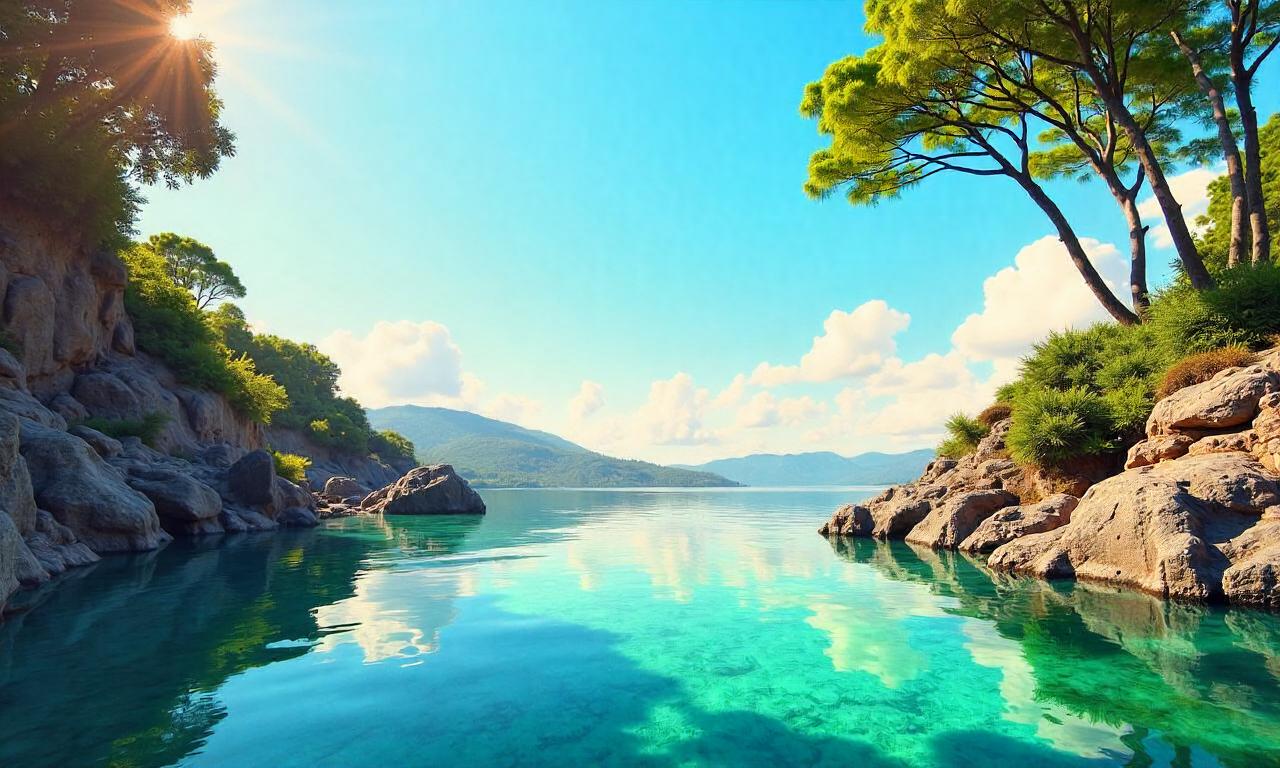
Natural habitats are the heart of our planet’s biodiversity, offering breathtaking landscapes, unique ecosystems, and unforgettable experiences for nature enthusiasts. Whether you’re a seasoned adventurer or a casual traveler, Top Natural Habitats to Visit can open your eyes to the raw beauty of Earth’s wild corners. From dense rainforests to vast oceans, these destinations are not just places to see—they are living museums of ecological wonder. Let’s dive into the Top Natural Habitats to Visit that stand out for their conservation value, stunning vistas, and opportunities for exploration.
Discovering the World’s Most Biodiverse Ecosystems
Rainforests: Earth’s Lungs in Action
Rainforests are often called the lungs of the Earth because of their vital role in producing oxygen and regulating the global climate. These lush, green landscapes are home to an estimated 50% of the world’s species, including rare mammals, birds, and plants. One of the Top Natural Habitats to Visit is the Amazon Rainforest in South America, which spans over 5.5 million square kilometers. Here, travelers can embark on guided jungle treks, observe exotic wildlife like jaguars and toucans, or even spot rare orchids that bloom in hidden corners of the forest.
Another must-visit rainforest is Borneo, shared by Malaysia, Indonesia, and Brunei. This region is renowned for its megadiverse ecosystems, where you can witness orangutans in their natural habitat, explore tropical rivers, and hike through ancient canopies. For those seeking a more temperate climate, the Pacific Northwest rainforests in North America provide a different yet equally enchanting experience. These forests are characterized by towering Douglas firs and Sitka spruces, as well as moss-covered trails that create a mystical atmosphere.
Coral Reefs: Underwater Kingdoms of Color
Coral reefs are among the most vibrant and complex ecosystems on the planet, teeming with marine life and colorful coral formations. They are often referred to as the rainforests of the sea due to their high biodiversity, with over 25% of marine species relying on reefs for survival. The Top Natural Habitats to Visit for underwater exploration include the Great Barrier Reef in Australia, the Maldives’ coral atolls, and the reefs of the Caribbean.
The Great Barrier Reef, stretching over 2,300 kilometers, is a UNESCO World Heritage Site and a top destination for snorkeling and diving. Its living coral structures create a dazzling underwater world where reef sharks, clownfish, and sea turtles can be spotted. In the Maldives, overwater bungalows allow visitors to immerse themselves in the ocean’s beauty while enjoying stunning views of coral gardens. Meanwhile, the Caribbean reefs offer a more accessible option for eco-tourism, with diving spots like the Flower Garden Banks National Marine Sanctuary in the U.S. providing a tranquil yet diverse environment for marine life observation.
Exploring the Majestic Landscapes of National Parks
Savannas: Open Spaces of Serenity and Adventure
Savannas are vast, open grasslands interspersed with scattered trees, creating a unique landscape that supports large herbivores and predators. These Top Natural Habitats to Visit are ideal for those who enjoy wildlife safaris and stargazing under open skies. The Serengeti National Park in Tanzania is a prime example, where the Great Migration of wildebeests and zebras can be witnessed in a spectacular display of nature’s rhythms.
For a more temperate savanna experience, the Yellowstone National Park in the United States offers volcanic landscapes, geysers, and wildlife encounters with bison, grizzly bears, and mule deer. The Kalahari Desert in Africa, though primarily a desert, also features savanna-like grasslands that support unique flora and fauna, such as meerkats and aardvarks. Visitors to these Top Natural Habitats to Visit can camp under the stars or join guided tours to learn about local conservation efforts.
Mountains: Majestic Peaks and High-Altitude Wonders
Mountains are natural wonders that offer challenging hikes, scenic views, and unique ecosystems. They are often considered Top Natural Habitats to Visit for their diverse habitats, ranging from alpine meadows to snow-capped summits. The Rocky Mountains in North America, for instance, are home to elk, bighorn sheep, and wildflower-filled valleys that bloom in summer.
In Asia, the Himalayas present a different kind of mountainous beauty, with tibetan highlands and snow leopards that roam the remote and rugged terrain. For a more adventurous option, Mount Kilimanjaro in Tanzania is a popular destination for trekkers who want to explore high-altitude ecosystems and spot endemic species like the colobus monkey. The Andes Mountains in South America, with their volcanic peaks and paramo grasslands, also provide a unique blend of cultures and nature, making them a must-visit natural habitat for travelers seeking both adventure and tranquility.
Unique Habitats: From Deserts to Mangroves
Deserts: Harsh Environments with Hidden Beauty
Deserts may seem extreme, but they are Top Natural Habitats to Visit for their unique adaptations and stunning landscapes. These arid regions are not just about sand dunes and scorching sun—they are home to resilient flora and fauna, such as camels, fennec foxes, and cacti that thrive in harsh conditions. The Sahara Desert in Africa is a major highlight, where ancient trade routes and oases offer cultural and natural insights.
For a more accessible desert experience, the Atacama Desert in Chile is one of the driest places on Earth, yet it supports a surprising variety of life. Travelers can explore salt flats, desert volcanoes, and star-filled skies that are unmatched in clarity. The Gobi Desert in Asia, on the other hand, is known for its dramatic rock formations and unique wildlife, including Bactrian camels and snow leopards. These desert habitats are perfect for those who want to experience the contrasts of nature and learn about survival in extreme environments.
Mangroves: Coastal Wetlands of Resilience
Mangroves are tropical coastal wetlands that play a critical role in protecting shorelines and supporting marine and terrestrial life. These Top Natural Habitats to Visit are often overlooked but offer rich biodiversity, including mangrove crabs, fish species, and birds that nest in their tangled roots. The Mangrove Forests of Southeast Asia are particularly notable for their vibrant ecosystems, where boat tours and eco-friendly adventures are popular activities.

In the Amazon River Delta, mangroves create a labyrinth of waterways that are home to caimans, macaws, and community-based conservation projects. The Everglades in Florida provide a similar experience, with wetland trails and alligator sightings that highlight the delicate balance of nature. Visiting these mangrove habitats allows travelers to understand their ecological importance and support sustainable tourism.
The Best Wild Areas: Conservation and Adventure in Harmony
National Parks: Guardians of Natural Heritage
National parks are designated areas that protect natural landscapes and biodiversity, making them Top Natural Habitats to Visit for eco-conscious travelers. These protected spaces are managed to preserve ecosystems, allowing visitors to explore without disturbing wildlife. The Yellowstone National Park in the U.S. is a classic example, where geothermal features and wildlife corridors are conserved for future generations.
The Karoo National Park in South Africa is another unique habitat that combines rugged terrain with flora and fauna adapted to arid conditions. Travelers can hike through desert landscapes and spot endemic species, such as the blue duiker and Karoo antelope. In New Zealand, Fiordland National Park offers visitors a chance to see dramatic fjords, towering peaks, and freshwater lakes that are home to native birds and insects. These parks are not just scenic attractions—they are vital for conservation and scientific research.
Wildlife Reserves: Focused on Species Protection
Wildlife reserves are specialized habitats that focus on preserving endangered species and their natural behaviors. These areas are often more accessible than national parks, making them ideal for travelers who want to observe wildlife up close. The Okavango Delta in Botswana is a must-visit wildlife reserve, where mangrove trees and water channels create a unique ecosystem that supports a wide range of animals, from crocodiles to elephants.
In Africa, the Samburu National Reserve in Kenya is known for its unique wildlife, including reticulated giraffes and Rhino conservation efforts. The Kakadu National Park in Australia is another Top Natural Habitat to Visit, with tropical wetlands, arid regions, and abundant birdlife. These reserves are essential for biodiversity, and visitors can contribute to conservation through responsible tourism.
Tundra: Cold Climates and Seasonal Spectacles
Tundra is a broad, flat landscape found in polar regions, characterized by permafrost, short growing seasons, and unique wildlife adaptations. These Top Natural Habitats to Visit are often overlooked but offer stunning views and opportunities to witness the changing seasons. The Arctic tundra in northern Alaska is perfect for those who want to see the northern lights and explore icy landscapes.
In Norway’s Arctic regions, tundra habitats are home to reindeer, Arctic foxes, and migratory birds that return each summer. The Antarctic tundra provides a completely different experience, with ice-covered plains and penguins that thrive in extreme conditions. These habitats are fragile, and visitors are encouraged to minimize their environmental impact to preserve the natural balance.
Why These Habitats Are Worth Your Time
The Importance of Visiting Natural Habitats
Visiting Top Natural Habitats to Visit is more than just a vacation—it’s an opportunity to connect with nature and support conservation efforts. These areas are critical for maintaining ecological balance, and tourism can fund research and preservation. When you explore a rainforest, coral reef, or tundra, you’re contributing to the protection of these environments.
Moreover, natural habitats offer unique experiences that cannot be replicated in cities. Whether you’re hiking through dense forests, snorkeling in coral gardens, or camping under the stars, these locations provide a sense of wonder that inspires respect for the planet. Educational tours and eco-friendly accommodations make it easier than ever to engage with these habitats responsibly.
What to Expect When Visiting These Wild Areas
When you plan to visit Top Natural Habitats to Visit, you can expect a mix of adventure, education, and relaxation. Each habitat has its own characteristics, from dense canopies to vast open plains, and travelers should prepare accordingly. For example, visiting rainforests may require insect repellent and waterproof gear, while exploring deserts calls for sunglasses and water bottles. Interactive experiences such as guided walks, wildlife photography, and cultural exchanges with local communities can enhance your visit. Many natural habitats also offer seasonal events, like flower blooms in spring or migratory bird patterns in autumn, which add to the allure of these places. Sustainable practices, such as recycling and reducing waste, are encouraged to ensure these habitats remain pristine for future generations.
How to Make the Most of Your Wildlife Adventure
To maximize your experience in Top Natural Habitats to Visit, research your destination in advance and pack the right gear. Guided tours are ideal for first-time visitors, as they provide expert knowledge about local ecosystems and wildlife. Photography equipment, binoculars, and notebooks can help you document your journey and appreciate the details of nature. Respecting the environment is key to preserving these habitats. Follow trail markers, avoid disturbing wildlife, and support eco-friendly businesses. Staying in lodges or camps that minimize their carbon footprint ensures that your visit has a positive impact. Whether you’re exploring a coral reef or hiking through a tundra, these practices will allow you to enjoy the beauty of the wild while protecting it for years to come.
Conclusion
Exploring Top Natural Habitats to Visit is an essential part of understanding our planet’s diversity and the importance of conservation. From the thick canopies of rainforests to the vast expanse of deserts, these locations offer unique experiences that combine adventure with education. Whether you’re captivated by the vibrant coral reefs or inspired by the resilience of tundra ecosystems, there is something for every traveler.
By visiting these wild areas, you’re not just seeing nature—you’re protecting it. Supporting sustainable tourism ensures that future generations can also enjoy these habitats. So, plan your journey, pack your essentials, and get ready to discover the wonders of Earth’s natural beauty. Top Natural Habitats to Visit are waiting to be explored, and each one tells a story of survival, adaptation, and beauty.
