
Why Natural Habitats Are Critical for Our Planet’s Future
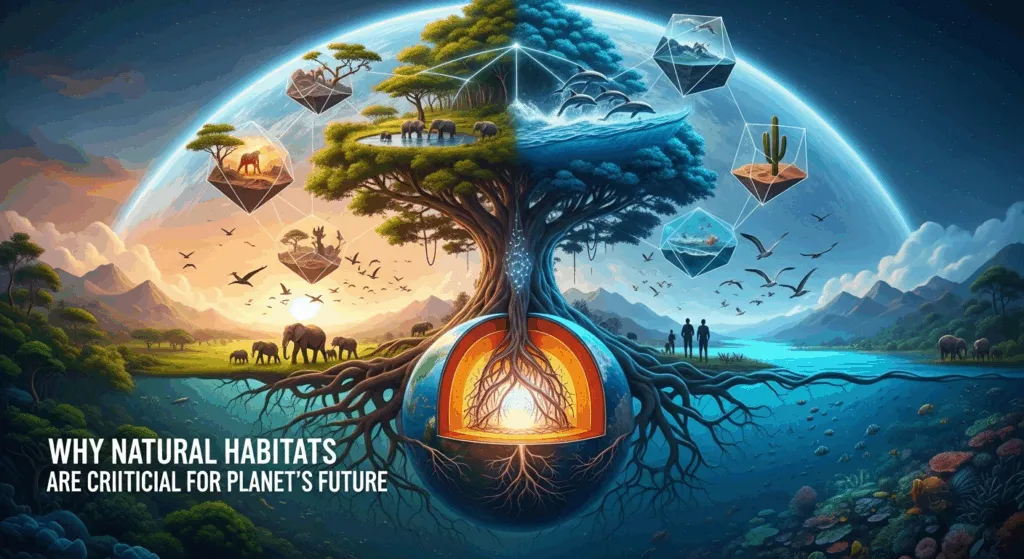
In the vast, interconnected tapestry of life on Earth, every thread matters. From the deepest ocean trenches to the highest mountain peaks, natural habitats form the intricate patterns that sustain all living things, including ourselves. These are not just picturesque landscapes or distant wildernesses; they are the planet's life-support systems, working tirelessly and often invisibly. As human activity increasingly alters the globe, the question of why are natural habitats important has moved from an academic curiosity to a critical inquiry for our own survival. Understanding their immense value is the first step toward safeguarding our shared future.
The Bedrock of Biodiversity
Natural habitats are the fundamental building blocks of biodiversity. They are not merely physical spaces but are complex, dynamic systems where countless species interact, evolve, and thrive. Biodiversity, or the variety of life on Earth, exists at three main levels: genetic, species, and ecosystem diversity. A healthy, intact habitat is essential for all three. It provides the necessary resources—food, water, shelter, and breeding grounds—that allow a diverse range of species to coexist and fulfill their ecological roles. Without these specialized environments, the rich web of life would begin to unravel.
Think of a natural habitat as a vast, living library. Each species is a unique book containing irreplaceable genetic information that has been written over millions of years of evolution. When a habitat is destroyed, it’s not just the land that is lost; it's the entire collection of books within it. This loss is permanent. This biodiversity is not just for show; it is the source of resilience for our planet. A diverse ecosystem is better able to withstand and recover from disturbances like disease, climate fluctuations, or natural disasters.
The intricate connections within a habitat mean that the loss of one species can have a cascading effect on many others. These are known as trophic cascades. For example, the disappearance of a predator can lead to an overpopulation of its prey, which in turn can decimate the plant life in a region, fundamentally altering the entire landscape. Preserving natural habitats ensures that these delicate balances are maintained, protecting the stability and functionality of the entire ecosystem.
1. The Genetic Safety Net
A large and undisturbed natural habitat supports a vast gene pool within each species. This genetic diversity is crucial for adaptation. When faced with new challenges, such as a novel disease or changing climate conditions, a species with high genetic variability has a better chance that some individuals will possess the traits needed to survive and reproduce. These survivors pass on their resilient genes, allowing the species to adapt over generations. Habitat fragmentation, which splits large habitats into smaller, isolated patches, severely restricts this gene flow, leaving populations vulnerable and inbred.
Therefore, protecting large, contiguous habitats is a core strategy for long-term species survival. It acts as a genetic safety net, ensuring that life has the tools it needs to navigate an uncertain future. This is not just about protecting charismatic animals like tigers or pandas; it's about safeguarding the genetic library of all life, from humble insects to complex fungi, each holding potential solutions to future problems we can't yet predict.
2. The Intricate Web of Interdependence
No species exists in a vacuum. Every organism is part of a complex web of relationships, including predator-prey dynamics, symbiosis (e.g., coral and algae), and competition. Natural habitats are the stage where these interactions play out. Pollinators like bees and butterflies rely on specific flowering plants, which in turn depend on them for reproduction. Decomposers like fungi and bacteria break down dead organic matter, recycling nutrients back into the soil, which then supports plant growth.
When a habitat is degraded, these vital connections are severed. For instance, the destruction of old-growth forests eliminates the specific conditions needed by certain types of fungi that form symbiotic relationships with tree roots, hindering the forest's ability to absorb nutrients. Similarly, the pollution of a river can wipe out the insect larvae that form the base of the food chain for fish and birds. Protecting the integrity of the habitat means protecting the entire operational system of nature.
Ecosystem Services: Nature's Invaluable Contribution
Perhaps the most compelling argument for preserving natural habitats lies in the concept of "ecosystem services." These are the myriad benefits that humans receive from healthy, functioning ecosystems, often for free. We tend to take these services for granted, only noticing their value when they are gone. From the air we breathe to the water we drink and the food we eat, our entire civilization is built upon the foundation of these natural processes.
These services can be categorized into four types:
- Provisioning services: The material goods we get from nature, such as food, fresh water, wood, and medicinal plants.
- Regulating services: The benefits obtained from the regulation of ecosystem processes, including climate regulation, water purification, and pollination.
- Cultural services: The non-material benefits people obtain, such as spiritual enrichment, recreation, and aesthetic experiences.
- Supporting services: The fundamental processes necessary for all other ecosystem services, like nutrient cycling and soil formation.
Destroying a natural habitat is akin to demolishing a factory that provides essential goods and services for free. The economic cost of trying to replicate these services with technology is often astronomical and, in many cases, impossible. For example, building and maintaining water treatment plants to do the work of a single wetland would cost billions of dollars, and they still wouldn't provide the added benefits of flood control and biodiversity support.
1. Regulating Our Climate
Natural habitats play a critical role in regulating the Earth's climate. Forests, often called the "lungs of the planet," absorb massive amounts of carbon dioxide (CO2), a primary greenhouse gas, through photosynthesis. They store this carbon in their biomass (trunks, leaves, roots) and in the soil. Similarly, oceans are the world's largest carbon sink, absorbing about 25% of all CO2 emissions. Wetlands and peatlands are also incredibly effective at carbon sequestration, storing more carbon per acre than tropical rainforests.
When we destroy these habitats through deforestation, draining wetlands, or ocean acidification, we do double damage. First, we eliminate their ability to absorb future emissions. Second, we release the vast amounts of carbon they have stored for centuries back into the atmosphere, accelerating climate change. Protecting and restoring these habitats is one of the most effective and cost-efficient strategies we have to combat the climate crisis.
2. Purifying Water and Preventing Floods
Wetlands, forests, and mangroves are nature's water treatment plants and flood barriers. As water flows through a wetland, the plants and soil filter out pollutants, sediments, and excess nutrients, providing cleaner water downstream. Forests act like giant sponges; their canopy intercepts rainfall, and their root systems help the soil absorb water, reducing surface runoff and recharging groundwater aquifers. This process is essential for maintaining a stable supply of fresh water.
In coastal areas, mangrove forests and coral reefs are the first line of defense against storm surges and tsunamis. Their complex structures dissipate wave energy, protecting coastal communities from flooding and erosion. The loss of these habitats leaves millions of people and billions of dollars in infrastructure vulnerable to natural disasters. Preserving these natural barriers is a far more sustainable and effective approach to coastal defense than building expensive seawalls.
3. Underpinning Food Security
The food on our plates is directly linked to the health of natural habitats. Approximately 75% of the world's leading food crops depend on animal pollination. Bees, butterflies, birds, and bats travel between plants, enabling fertilization and the production of fruits, vegetables, nuts, and seeds. The habitats where these pollinators live, feed, and breed are essential for their survival. Habitat loss and pesticide use have led to alarming declines in pollinator populations, threatening global food security.
Furthermore, healthy aquatic habitats like rivers, lakes, and oceans support the fisheries that provide a primary source of protein for over 3 billion people. Overfishing, pollution, and the destruction of coral reefs and mangroves (which serve as vital nursery grounds for many fish species) are pushing fish stocks to the brink of collapse. Protecting these habitats is not an environmental luxury; it is a prerequisite for feeding a growing global population.
The Economic Case for Habitat Conservation
For decades, environmental protection was often framed as being in opposition to economic growth. This is a false and outdated dichotomy. In reality, the preservation of natural habitats is an economic imperative. The global economy is a wholly owned subsidiary of the environment, not the other way around. A healthy planet with functioning ecosystems is the foundation for a stable and prosperous economy.
The economic value of nature is staggering. A 2014 study published in the journal Global Environmental Change estimated the total value of the world's ecosystem services at $125 trillion per year—nearly double the global GDP at the time. This value comes from direct benefits, such as tourism and resource extraction, and indirect benefits, like the cost savings from natural flood control and water purification. Ignoring this natural capital in our economic planning is not just short-sighted; it's fiscally irresponsible.
Investing in nature is one of the wisest investments we can make. It yields high returns in the form of enhanced resilience, reduced risks, and sustainable economic opportunities. Conservation projects create jobs in park management, ecological restoration, and scientific research. Moreover, a stable climate and a reliable supply of natural resources are essential for business operations across all sectors, from agriculture and pharmaceuticals to manufacturing and technology.
| Ecosystem Service | Estimated Annual Global Value (in USD) | Man-Made Alternative & Comparison |
|---|---|---|
| Pollination | $235 – $577 Billion | Hand pollination is labor-intensive, slow, and prohibitively expensive for large-scale agriculture. |
| Water Purification | Trillions of dollars | Building and operating water treatment plants is a massive infrastructure cost. Wetlands do it for free. |
| Climate Regulation (Carbon Sink) | Priceless / Trillions of dollars | Carbon capture and storage technology is still in its infancy, extremely costly, and not yet scalable. |
| Coastal Protection (Mangroves/Reefs) | Billions of dollars in averted damage | Seawalls and dikes are expensive to build, require constant maintenance, and destroy coastal ecosystems. |
1. The Engine of Ecotourism
One of the most direct economic benefits of protecting natural habitats is ecotourism. Millions of people travel the world each year to experience the beauty of pristine nature, from the coral reefs of Australia to the savannas of Africa and the rainforests of the Amazon. This industry generates billions of dollars in revenue and creates millions of jobs, often in rural and remote communities where other economic opportunities are scarce.
Unlike extractive industries, ecotourism is sustainable when managed properly. It provides a powerful economic incentive for local communities and governments to protect their natural assets. The revenue from park fees, guided tours, and local accommodations can be reinvested into conservation efforts and community development, creating a virtuous cycle where both people and nature benefit.
2. A Reservoir of Natural Resources
Natural habitats are a treasure trove of resources that fuel our economies and improve our lives. Forests provide timber for construction and paper, but they also yield non-timber products like fruits, nuts, and resins. The genetic diversity found in wild plants is a critical resource for agriculture, providing the raw material for breeding more resilient and productive crops.
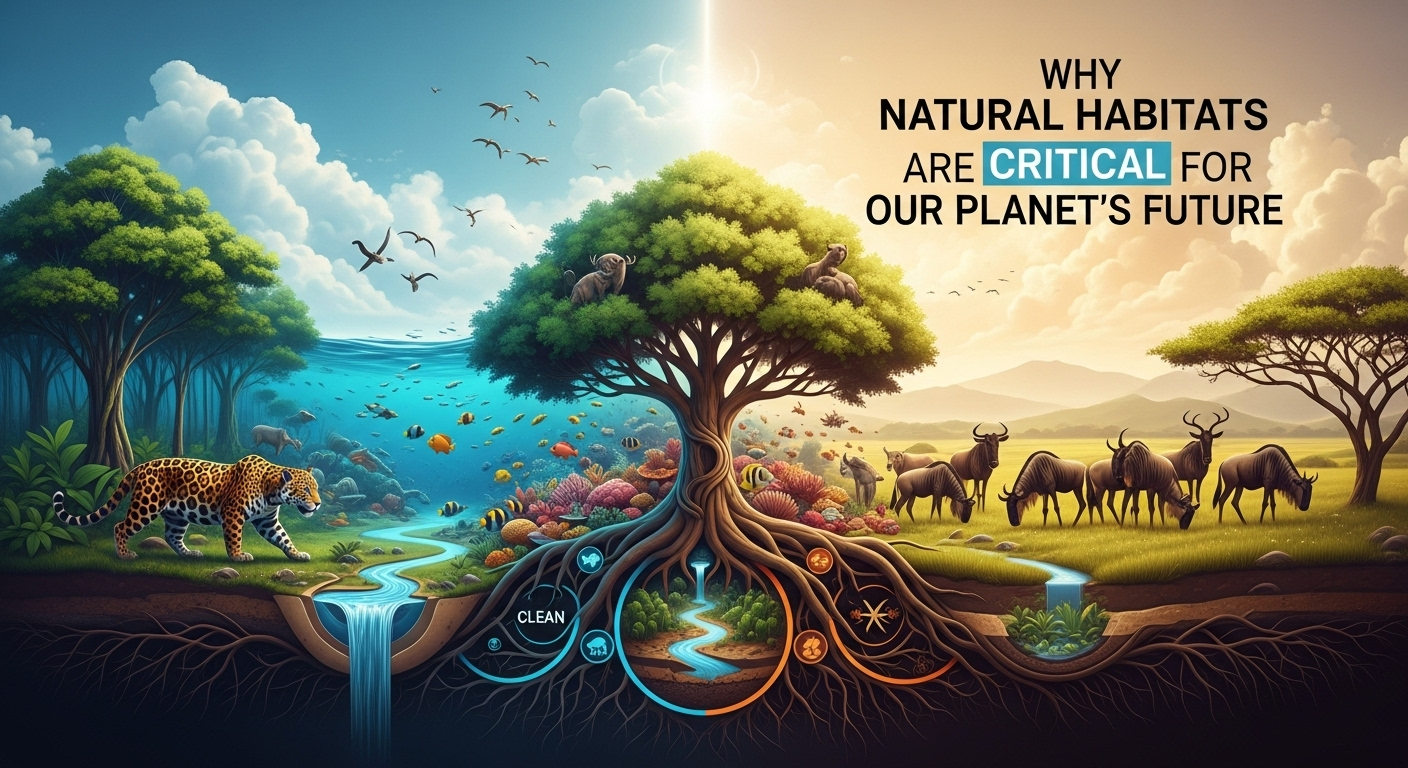
Crucially, nature is our planet's greatest pharmacy. A significant portion of modern medicines, including aspirin (from willow bark) and the cancer treatment Taxol (from the Pacific yew tree), are derived from natural compounds found in plants, animals, and microbes. It is estimated that a vast number of species with potential medicinal properties have yet to be discovered. Each time a habitat is destroyed, we risk losing the next life-saving cure before we even know it exists.
The Connection to Human Health and Well-being
The importance of natural habitats extends beyond the ecological and economic; it is deeply intertwined with our physical and mental health. We are a part of nature, not separate from it, and our well-being depends on maintaining this connection. Exposure to natural environments has been scientifically proven to have profound positive effects on the human mind and body.
Studies have shown that spending time in nature—even a walk in a city park—can reduce stress, lower blood pressure, improve mood, and boost cognitive function. This phenomenon is sometimes explained by the biophilia hypothesis, which suggests that humans have an innate tendency to seek connections with nature and other forms of life. As urbanization increases and our lives become more digital, access to natural spaces is more important than ever for maintaining public health.
Furthermore, the destruction of habitats has been linked to an increased risk of pandemics. When forests are cleared and ecosystems are disrupted, animals are forced into closer contact with human populations, increasing the likelihood of zoonotic diseases—illnesses that jump from animals to humans, such as COVID-19, Ebola, and SARS. Maintaining a buffer of healthy, intact ecosystems is a critical component of global public health strategy.
1. Nature as a Natural Healer
The term shinrin-yoku, or "forest bathing," originated in Japan in the 1980s as a form of ecotherapy. The practice involves simply spending mindful time in a forest, and its health benefits are backed by extensive research. Scientists have found that it can reduce levels of the stress hormone cortisol, boost the immune system by increasing the activity of natural killer cells, and alleviate symptoms of anxiety and depression.
This healing power is not limited to forests. Any natural environment, from a coastline to a meadow, can provide restorative benefits. The sounds of nature, the fresh air, and the visual complexity of natural landscapes engage our senses in a way that urban environments cannot, allowing our minds to recover from the fatigue of modern life. Protecting habitats is, in essence, an investment in our collective mental and physical health.
2. A Buffer Against Disease
Healthy, biodiverse ecosystems act as a natural buffer that helps regulate the transmission of infectious diseases. High biodiversity can have a "dilution effect," where a wide variety of host species makes it more difficult for a pathogen to become established and spread. For example, in the case of Lyme disease, diverse forests with a range of mammal species can reduce the prevalence of the disease-carrying ticks.
Conversely, when habitats are fragmented and biodiversity is lost, the species that tend to thrive are often the ones that are most effective at transmitting pathogens to humans (like certain rodents and bats). Habitat destruction brings these species into our backyards, farms, and cities. Therefore, conserving biodiversity hotspots and preventing further encroachment into wild areas are essential preventive measures to reduce the risk of future pandemics.
The Global Threat and Our Shared Responsibility
Despite their immense importance, natural habitats are disappearing at an unprecedented rate. The primary driver of this destruction is human activity. Agriculture is the leading cause, with vast areas of forest and grassland cleared for crops and livestock. Urbanization, infrastructure development (roads, dams), pollution, and unsustainable logging and mining also take a heavy toll.
Overarching all these threats is climate change, which is altering temperature and precipitation patterns, causing sea levels to rise, and increasing the frequency of extreme weather events. These changes are forcing species to migrate, but many cannot move fast enough or have nowhere to go, pushing them toward extinction and unraveling the ecosystems they are part of. The scale of the crisis is immense; a 2019 UN report warned that up to one million species are at risk of extinction, many within decades.
This is a global crisis that requires a global response. It demands a fundamental shift in how we produce, consume, and value nature. Governments must enact and enforce strong environmental policies, corporations must adopt sustainable business practices, and individuals must make conscious choices in their daily lives. The responsibility is shared, and the time for action is now.
1. The Challenge of Habitat Fragmentation
It's important to understand that habitat loss is not just about the total area destroyed; it's also about fragmentation. When a large, continuous habitat is broken up into smaller, isolated patches by roads, farms, or cities, it creates "islands" of nature in a sea of human development. This process has several damaging consequences. It restricts the movement of animals, limiting their ability to find food, mates, and new territory.
This isolation also makes small populations highly vulnerable to being wiped out by random events like a fire or disease outbreak. Furthermore, fragmentation increases "edge effects," where the conditions along the boundary of a habitat (e.g., more wind, light, and predators) differ from the interior, reducing the quality of the remaining habitat. Connecting these fragmented patches through wildlife corridors is a key conservation strategy to mitigate these harmful effects.
2. Pathways to Preservation and Restoration
The challenge is great, but it is not insurmountable. There are clear pathways toward protecting and restoring our planet's natural habitats. A multi-pronged approach is necessary, combining protection, restoration, and sustainable management.
- Protected Areas: Expanding the global network of national parks, marine reserves, and other protected areas is essential to safeguard critical habitats and biodiversity hotspots.
- Habitat Restoration: Ambitious projects to reforest land, restore wetlands, and rehabilitate coral reefs can help bring ecosystems back to life. The UN has declared this the Decade on Ecosystem Restoration, highlighting its importance.
- Sustainable Policies: Governments must integrate the value of nature into economic decision-making, end subsidies that harm the environment, and promote sustainable agriculture and forestry.
- Individual Action: As consumers, we have power. We can choose to support companies with strong environmental commitments, reduce our consumption, minimize waste, and advocate for pro-environmental policies in our communities.
—
Frequently Asked Questions (FAQ)
Q: What is the single biggest threat to natural habitats today?
A: The overwhelming consensus among scientists is that land-use change, primarily for agriculture, is the single biggest driver of terrestrial habitat loss globally. The clearing of forests, grasslands, and wetlands to create farmland for crops and grazing for livestock is responsible for the majority of habitat destruction.
Q: Can a natural habitat be recreated after it has been destroyed?
A: Ecosystem restoration is a growing field, and it is possible to help a degraded area recover. However, it is an extremely slow, complex, and expensive process. A restored habitat, even after decades, rarely achieves the same level of biodiversity and complexity as the original, undisturbed ecosystem. Prevention is always better than cure; it is far more effective and cheaper to protect a habitat than to try and rebuild it.
Q: How do my daily choices affect natural habitats?
A: Your daily choices have a significant collective impact. The food you eat (especially meat and products linked to deforestation like palm oil and soy), the energy you use, and the products you buy all have an environmental footprint that can contribute to habitat loss. By making conscious choices—such as eating less meat, reducing waste, choosing sustainably sourced products, and conserving energy—you can help reduce the pressure on natural habitats.
Q: What is the difference between conservation and preservation?
A: While often used interchangeably, there is a subtle difference. Preservation generally means protecting nature from human use, setting areas aside to remain in a pristine state (e.g., a wilderness area). Conservation, on the other hand, focuses on the sustainable use and management of natural resources. It seeks a balance where humans can use resources wisely without depleting them for future generations. Both approaches are vital for protecting natural habitats.
—
Conclusion
The question of "why are natural habitats important" has a clear and resounding answer: they are the irreplaceable foundation of a stable climate, a prosperous economy, a healthy society, and the very continuation of life on Earth. From regulating our planet's climate and providing clean water to supporting our food systems and nurturing our mental well-being, the services they provide are invaluable. Their destruction is not an abstract environmental issue but a direct threat to our future.
Recognizing their critical importance is only the first step. It must be followed by decisive, collective action. We stand at a pivotal moment in history, with a closing window of opportunity to shift our trajectory from one of destruction to one of stewardship. By protecting and restoring the world's natural habitats, we are not just saving wildlife; we are making the most crucial investment we can in the long-term health, security, and prosperity of humanity. The future of our planet depends on it.
***
Article Summary
This article, "Why Natural Habitats Are Critical for Our Planet's Future," provides a comprehensive examination of the multifaceted importance of natural habitats. It begins by establishing habitats as the foundation of biodiversity, essential for genetic diversity, species adaptation, and the complex interdependence within the web of life. The piece then delves into ecosystem services, highlighting nature's invaluable and often free contributions, such as climate regulation through carbon sequestration, water purification, flood control, and the critical role of pollination in global food security.
The article makes a strong economic case for conservation, arguing that protecting nature underpins a stable economy through industries like ecotourism and as a reservoir for vital natural resources, including medicines. A dedicated section explores the profound link between nature and human health, discussing benefits for mental well-being (the biophilia hypothesis) and the role of healthy ecosystems as a buffer against zoonotic diseases. Finally, the article addresses the primary threats to habitats, such as agriculture and fragmentation, while outlining pathways to preservation, including protected areas, restoration efforts, and sustainable policies. The conclusion reinforces the urgent need for collective action, framing habitat protection as a crucial investment in humanity's shared future.
