
Your Guide to Effective Habitat Restoration Techniques
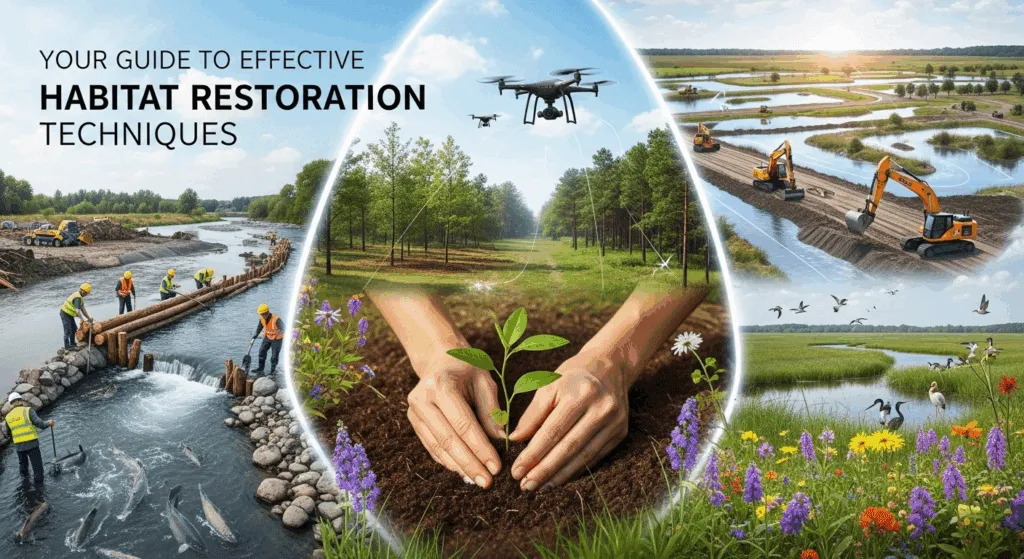
The silent unraveling of our planet's ecosystems is one of the most critical challenges of our time. From the vibrant coral reefs bleaching into ghostly white skeletons to ancient forests being fragmented into isolated patches, habitat degradation threatens biodiversity, destabilizes our climate, and diminishes the essential services nature provides. This decline, however, is not an irreversible fate. Humanity possesses the knowledge and tools to begin healing these wounds. This is where the power of natural habitat restoration techniques comes into play, offering a beacon of hope and a practical roadmap for rebuilding resilient, functional, and thriving ecosystems for generations to come.
Understanding the Foundation: What is Habitat Restoration?
Habitat restoration is the practice of assisting the recovery of an ecosystem that has been degraded, damaged, or completely destroyed. It is an intentional activity that initiates or accelerates the natural processes of ecological succession. The ultimate goal is not merely to plant trees or reintroduce a single species, but to re-establish a self-sustaining and complex community of plants and animals, complete with the functional processes—such as nutrient cycling, water filtration, and pollination—that defined the original, healthy habitat. This involves a deep understanding of the historical state of the ecosystem and the factors that led to its decline.
The importance of habitat restoration extends far beyond just "saving nature." Healthy ecosystems are the bedrock of human well-being and economic stability. They provide what are known as ecosystem services: clean air and water, fertile soil for agriculture, C02 absorption to mitigate climate change, flood and storm surge protection, and sources of food and medicine. When we restore a wetland, we aren't just creating a home for birds; we are building natural infrastructure that purifies our drinking water and protects our communities from flooding. This makes restoration a critical investment in our own future.
It's also essential to distinguish habitat restoration from other conservation activities. Preservation focuses on protecting intact, high-quality habitats from future harm. Conservation is a broader term that includes preservation, restoration, and the sustainable management of natural resources. Restoration, specifically, is a proactive, hands-on intervention aimed at turning back the clock on ecological damage. It acknowledges that protection alone is no longer enough; we must actively rebuild what has been lost to secure a biodiverse and stable planet.
The Crucial First Steps: Assessment and Planning
Effective habitat restoration is not a matter of guesswork; it is a science-driven process that begins long before the first seed is planted. A thorough assessment and a meticulously crafted plan are the cornerstones of any successful project. Rushing into action without this foundational work often leads to wasted resources, failed plantings, and unintended negative consequences. This planning phase ensures that interventions are appropriate for the specific site, goals are realistic, and success can be accurately measured over time.
Comprehensive Site Assessment
Before any restoration can begin, you must develop an intimate understanding of the project site. This involves a multi-faceted investigation into its current condition and historical context. Ecologists will conduct biological surveys to identify any remaining native species (which can serve as a valuable foundation for recovery) and, just as importantly, to map the presence and density of invasive species that will need to be managed. The physical environment is also scrutinized through soil analysis to check for contamination, nutrient deficiencies, or compaction. Hydrological studies are vital, especially in wetland or riverine projects, to understand water flow patterns, drainage issues, and water quality.
This assessment also requires looking into the past. By using historical records, old photographs, and soil core samples, restorationists can piece together a picture of the "reference ecosystem"—the state of the habitat before it was degraded. This reference provides the blueprint for the restoration effort. It helps answer critical questions like: What plant communities dominated this landscape? What was the natural fire or flood regime? Understanding the history of disturbance and the causes of degradation (e.g., pollution, logging, unnatural drainage) is paramount to ensuring those same stressors are removed so that the ecosystem can successfully recover.
Setting Clear and Measurable Goals
With a thorough site assessment complete, the next step is to define what success will look like. Restoration goals must be specific, measurable, achievable, relevant, and time-bound (SMART). A vague goal like “improve the forest” is not useful. A SMART goal would be: “Establish a 75% canopy cover of native deciduous tree species across 50 acres within 15 years, with at least five native understory shrub species present and a reduction in invasive garlic mustard (Alliaria petiolata) to less than 5% ground cover.”
These goals should be tailored to the specific ecological functions you aim to restore. Is the primary objective to create a habitat for a particular endangered species? Is it to improve water quality flowing from the site? Or is it to increase carbon sequestration? Often, a project will have multiple goals. For instance, a coastal marsh restoration might aim to increase habitat for commercial fish species, buffer the coastline from storm surges, and filter agricultural runoff simultaneously. Clearly articulating these objectives guides every subsequent decision, from species selection to long-term monitoring strategies, ensuring everyone involved is working toward the same tangible outcomes.
Core Active Restoration Techniques
Active restoration involves direct, hands-on interventions to accelerate ecological recovery. These techniques are often necessary in highly degraded sites where the ecosystem has lost its capacity to heal on its own. The choice of technique depends entirely on the ecosystem type, the level of degradation, and the project's specific goals. These methods require significant investment in labor and resources but can produce dramatic results in a shorter timeframe than passive approaches.
Reforestation and Afforestation
Reforestation, the process of replanting trees in an area where they were previously cleared, is one of the most well-known restoration techniques. The key to successful reforestation is using a diverse mix of native species appropriate for the local climate and soil. Planting a monoculture of a single, fast-growing species might look like a forest quickly, but it lacks the structural complexity and biodiversity of a natural one. Restoration projects should prioritize sourcing seeds from local genetic stock, as these plants are best adapted to the regional conditions. Site preparation is also critical, which may involve breaking up compacted soil and removing non-native grasses that would otherwise outcompete the young tree seedlings for sunlight and water.
While often used interchangeably, it's important to differentiate reforestation from afforestation. Afforestation is the planting of forests in areas that have not historically been forested, such as grasslands or shrublands. While it can be a valuable tool for carbon capture, it must be approached with extreme caution. Planting trees in a naturally non-forested ecosystem can be as ecologically damaging as deforestation, destroying unique habitats and disrupting hydrological cycles. True ecological restoration focuses on returning an area to its historically appropriate state, making reforestation the far more common and beneficial practice.
Wetland and Riparian Zone Restoration
Wetlands (marshes, swamps, bogs) and riparian zones (the land alongside rivers and streams) are ecological powerhouses. They act as natural filters, sponges for floodwater, and are hotspots of biodiversity. Unfortunately, they have been drained and filled at alarming rates for agriculture and development. Restoring them often involves reversing these impacts. A primary technique is re-establishing the natural hydrology. This can be as simple as plugging artificial drainage ditches or as complex as removing a dam or a tide gate to allow water to once again inundate the land.
Once the water is back, the focus shifts to re-vegetation. This involves planting native wetland species like sedges, rushes, and water-tolerant shrubs and trees. These plants are crucial for stabilizing soil, providing habitat, and carrying out the vital function of nutrient uptake, which purifies the water. In riparian zones, planting a buffer of native trees and shrubs along the stream bank helps to cool the water for fish, reduce erosion, and prevent pollutants from a-running off adjacent land into the waterway. These efforts create resilient ecosystems that directly benefit both wildlife and human communities downstream.
Grassland and Prairie Revival
Grasslands, prairies, and savannas are among the most threatened ecosystems in the world, often converted to cropland due to their rich soils. Restoring them is a complex process that goes far beyond simply scattering some seeds. The first step is almost always the removal of invasive species and any woody plants that have encroached due to the suppression of natural fire cycles. This can be a labor-intensive process, involving mowing, targeted herbicide application, or controlled grazing.
A cornerstone technique for grassland management and restoration is the use of prescribed fire. Historically, these ecosystems were shaped by periodic fires that cleared out dead plant matter, controlled woody encroachment, and stimulated the growth of fire-adapted native grasses and wildflowers (forbs). By carefully reintroducing controlled burns, restorationists can mimic this natural process. Following site preparation and, if needed, a prescribed burn, the area is seeded with a highly diverse mix of native grasses and forbs. Achieving a balance between different functional groups of plants is key to creating a resilient prairie that supports a wide range of pollinators, birds, and other wildlife.
Passive Restoration and Rewilding: Letting Nature Lead
While active techniques are powerful, they are not always necessary or desirable. Passive restoration is an approach centered on the idea that sometimes the best thing we can do is step back and let nature heal itself. This method involves removing the chronic stressors that are preventing natural recovery—such as stopping pollution, ceasing unsustainable logging, removing grazing livestock, or eliminating invasive species—and then allowing the ecosystem to recover through its own successional processes. This approach is often more cost-effective and can lead to a more naturally complex and resilient ecosystem in the long run.
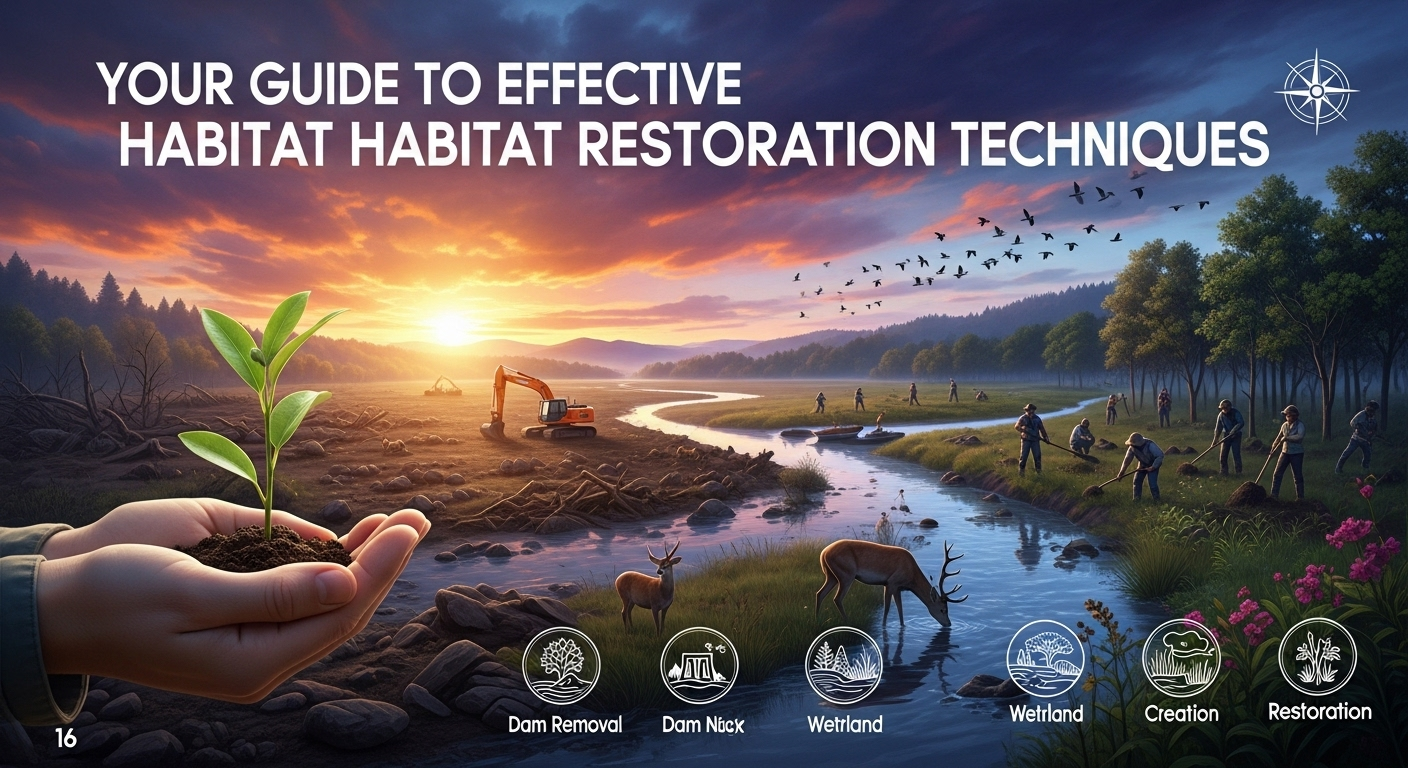
The success of passive restoration depends on two key factors: the site's inherent resilience and its proximity to healthy, intact ecosystems. If a degraded area is surrounded by a healthy forest, for example, seeds will naturally disperse into the site, and wildlife will gradually recolonize it. This method works best on sites that are not severely degraded and still retain some "biological memory," such as a viable seed bank in the soil or remnant patches of native vegetation. It is a long-term game that requires patience and a commitment to simply protecting the land from further disturbance.
A more ambitious and exciting form of passive restoration gaining traction is rewilding. Rewilding aims to restore ecosystem function at a large scale, not by planting individual trees, but by re-establishing natural processes and, where appropriate, reintroducing keystone species. A keystone species is an organism that has a disproportionately large effect on its environment relative to its abundance. The classic example is the reintroduction of gray wolves (Canis lupus) to Yellowstone National Park. The wolves changed the grazing behavior of elk, which allowed willows and aspens to recover along riverbanks, which in turn stabilized the banks, cooled the water for fish, and provided habitat for beavers and songbirds—a cascade of positive ecological effects known as a trophic cascade. Rewilding represents a paradigm shift, moving from a goal of compositional restoration (recreating a specific plant list) to functional restoration (kick-starting the engine of the ecosystem and letting it drive).
Measuring Success and Overcoming Obstacles
Habitat restoration is a long-term endeavor fraught with challenges. Simply planting a thousand trees does not guarantee a forest. Success must be measured against the clear goals set during the planning phase, and project managers must be prepared to adapt their strategies in the face of inevitable obstacles. This commitment to monitoring and adaptive management is what separates short-term projects from lasting ecological recovery.
Monitoring and Adaptive Management
Monitoring is the systematic collection of data to track the progress of a restoration project over time. What is measured depends on the project’s goals but can include metrics like plant survival rates, species diversity, water quality parameters, wildlife usage, and soil health. This data provides crucial feedback. Is the invasive species removal working? Are the planted trees growing as expected? Are the target wildlife species returning? This information is essential for demonstrating success to funders and stakeholders and for learning valuable lessons for future projects.
This feedback loop is central to the concept of adaptive management. This is a structured process of "learning by doing." Instead of rigidly sticking to an initial plan, adaptive management treats the plan as a hypothesis. Monitoring data is used to test this hypothesis, and if the results are not what was expected, the management strategy is adjusted. For example, if monitoring reveals that deer are eating all the newly planted oak seedlings, the adaptive response might be to install tree shelters or focus on planting less palatable species. This flexible approach acknowledges the complexity and unpredictability of ecosystems and greatly increases the chances of long-term success.
Common Challenges in Restoration
Despite the best planning, restoration projects face a host of challenges that can hinder progress. Understanding these hurdles is the first step toward overcoming them. The table below outlines some of the most common obstacles and potential strategies to mitigate them.
| Challenge | Description | Potential Mitigation Strategy |
|---|---|---|
| Invasive Species | Non-native plants and animals outcompete or prey on native species, undermining restoration efforts. | Integrated Pest Management (IPM), including manual removal, controlled burns, biological controls, and targeted, responsible herbicide use. |
| Funding & Resources | Restoration is expensive and often requires long-term financial commitment for monitoring and maintenance. | Seek diverse funding sources (grants, government programs, corporate sponsorship, carbon credits). Utilize volunteer labor for tasks like planting and weeding. |
| Climate Change | Shifting temperature and precipitation patterns can make it difficult for historically native species to thrive. | Practice climate-adapted restoration: select genotypes and species that are predicted to be resilient to future climate conditions. |
| Human & Social Factors | Lack of community buy-in, conflicting land-use goals, or vandalism can derail a project. | Engage stakeholders early and often. Develop educational programs to highlight the project's benefits to the local community. |
| Unpredictable Events | Extreme weather events like droughts, floods, or wildfires can wipe out years of progress. | Design for resilience by maximizing biodiversity and re-establishing natural buffers (e.g., floodplains) to absorb disturbances. |
Frequently Asked Questions (FAQ)
Q: How long does habitat restoration take?
A: There is no single answer. The timeline for habitat restoration varies dramatically depending on the ecosystem, the level of degradation, and the project's goals. A simple prairie restoration might show significant results in 3-5 years. A complex forest ecosystem, however, could take several decades or even centuries to mature and regain all of its historic functions. Restoration is a commitment to a process, not a quick fix.
Q: Can I do habitat restoration on my own property?
A: Absolutely! Even small-scale restoration efforts can have a significant positive impact. Planting a native pollinator garden, removing invasive shrubs like buckthorn or honeysuckle, replacing a lawn with native grasses and wildflowers, or creating a small backyard pond are all effective forms of habitat restoration. These actions create vital "stepping stones" of habitat that help wildlife move through developed landscapes.
Q: What is the main difference between active and passive restoration?
A: The main difference lies in the level of human intervention. Active restoration involves direct, hands-on actions like planting, seeding, and re-grading the land to speed up recovery. It's often used in severely damaged areas. Passive restoration, on the other hand, involves removing the source of the damage (e.g., pollution, grazing) and then letting the ecosystem recover on its own through natural processes. It's a "hands-off" approach that is less expensive but typically takes much longer.
Conclusion
The path to healing our planet's damaged ecosystems is both a monumental challenge and a profound opportunity. The diverse toolkit of natural habitat restoration techniques—from the hands-on work of reforestation and wetland reconstruction to the patient wisdom of passive recovery and rewilding—provides us with the means to act. Success, however, is not guaranteed by action alone. It demands careful planning, a deep understanding of the local ecology, a commitment to long-term monitoring, and the flexibility to adapt as we learn.
Every restored hectare of forest, every reclaimed meter of riverbank, and every revived patch of prairie is a victory for biodiversity and a step toward a more stable and resilient world. These are not isolated acts of environmental charity; they are essential investments in the natural infrastructure that sustains us all. By embracing and implementing these techniques, we can move from being a species of degradation to a species of restoration, actively participating in the recovery of our one and only home.
***
Summary of the Article
"Your Guide to Effective Habitat Restoration Techniques" is a comprehensive overview of the science and practice of healing damaged ecosystems. The article begins by defining habitat restoration as the intentional process of assisting an ecosystem's recovery, emphasizing its crucial role in providing essential ecosystem services that benefit humanity, such as clean air, water, and climate mitigation.
The guide stresses the importance of a foundational planning phase, which includes comprehensive site assessment (evaluating biological, physical, and historical conditions) and setting clear, measurable goals to guide the project.
It then delves into specific active restoration techniques, providing detailed explanations for:
- Reforestation and Afforestation: Focusing on planting diverse, native tree species.
- Wetland and Riparian Restoration: Highlighting the re-establishment of natural hydrology and planting water-tolerant vegetation.
- Grassland and Prairie Revival: Discussing the critical role of prescribed fire and seeding with native grasses and forbs.
The article also explores passive restoration and rewilding, presenting a "hands-off" approach where stressors are removed to let nature heal itself, sometimes aided by the reintroduction of keystone species to restore critical ecosystem functions.
Finally, the guide addresses the practical realities of restoration by discussing monitoring, adaptive management, and common challenges like invasive species and funding. A table outlines these obstacles and their solutions. An FAQ section clarifies common questions, and the conclusion reinforces that a combination of techniques, careful planning, and long-term commitment is essential for successfully rebuilding a resilient and biodiverse planet.
