
Children’s entertainer Ms. Rachel has a new cause: Freeing kids from ICE detention
Children’s entertainer Ms. Rachel has a new cause: Freeing kids from ICE detention
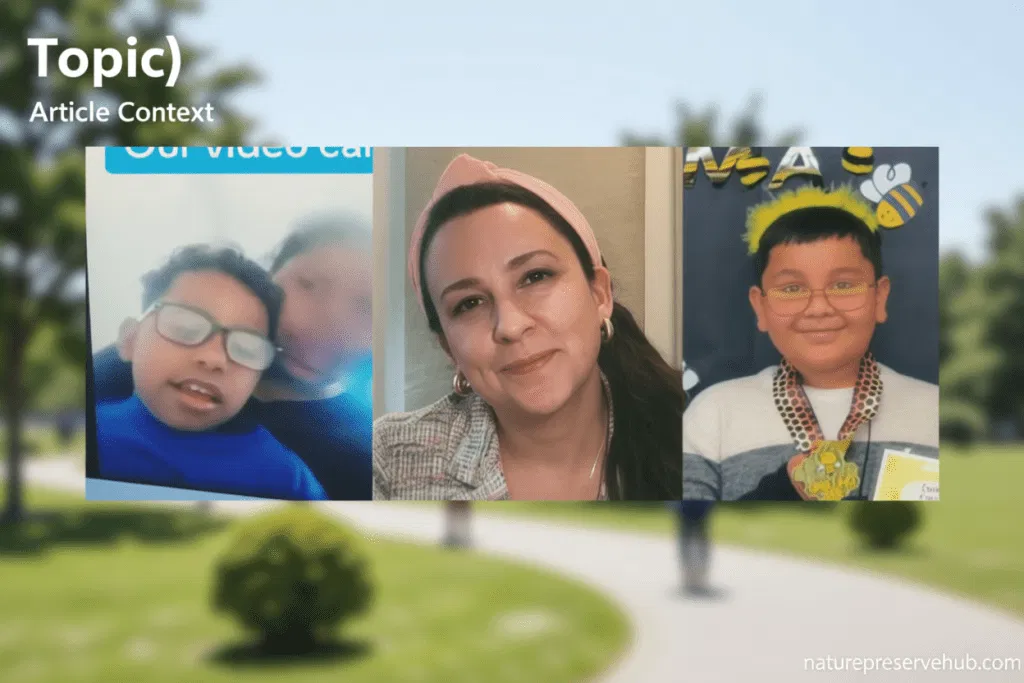
In a raw video feed, a young boy expressed deep distress. “I don’t want to be here anymore,” he said, his voice trembling. “Everything feels terrible here.” For over a month, Deiver, a 9-year-old from South Texas, had been detained with his parents at the Dilley Immigration Processing Center, a place where children have raised concerns about inadequate schooling, constant lighting, and stale meals.
Ms. Rachel, whose real name is Rachel Accurso, sat across from the boy in a video call, trying to calm him. “Oh, I’m so sorry,” she said, her tone warm and soothing. “Many people are eager to assist.” Deiver shared that he missed his friends and found the food at Dilley made his stomach ache. However, the issue that troubled him most was the spelling bee he had won before his detention, securing a spot in New Mexico’s state competition in May. “I want to leave and go to the spelling bee,” he said. Accurso tried to offer reassurance. “You have a real gift for spelling. You’re so smart,” she added. Her expression softened.
“It was unbelievably surreal to see this sweet little face and feel like I was on a call with somebody who’s in jail,” Accurso told NBC News in an exclusive interview this week. “It broke me, and it was something I never thought I’d encounter in life.”
Accurso first became aware of Dilley after federal agents detained the father of 5-year-old Liam Conejo Ramos in Minneapolis, sending the family to the remote, prison-like facility. A photo of Liam, wearing a blue bunny hat and a Spider-Man backpack, went viral, sparking national interest in the center and the treatment of families held there. Though they were eventually released, the family’s asylum claim was denied this week.
During the first year of the Trump administration’s intensified immigration enforcement, over 2,300 children were detained with their families, primarily at Dilley, as reported by court-appointed monitors. Many remained in custody for weeks or months, enduring conditions that have sparked growing concern. Accurso, already a well-known figure for her educational content for babies and toddlers, has become a vocal advocate for vulnerable children, drawing attention to crises in Gaza, Sudan, and the Democratic Republic of Congo. Her efforts have raised substantial funds but also drawn criticism for perceived bias in global conflicts.
Accurso’s advocacy is grounded in a simple belief: “All children are equally precious.” After speaking with Deiver and another boy detained at Dilley, she announced a new mission: collaborating with legal experts and immigration activists to close the facility and ensure families are reunited in their communities. Parents and lawyers have described children losing weight from worm-infested food, experiencing anxiety during patrols, and waiting hours for single doses of medicine. Some have even faced medical emergencies while in custody.
The New York Times reported that approximately 50 children remain at Dilley this week, a sharp decline from the 500 in January. While the exact reason for this drop is unclear, it follows months of pressure from human rights advocates, Democratic lawmakers, and legal professionals. The Department of Homeland Security has yet to address the families Accurso met through the video call. The agency has dismissed reports of poor conditions as “mainstream media lies,” insisting Dilley is designed to provide comprehensive care for detained families.
Accurso, who initially learned about Dilley through Liam’s case, grew increasingly troubled as she read more about the situation. Last week, she connected directly with children at the center, facilitated by journalist Lidia Terrazas of the Spanish-language network N+ Univision, who has been documenting conditions there for months.
