
Digital forensics could be the tool that helps ‘paint a picture of truth’ in the Guthrie case
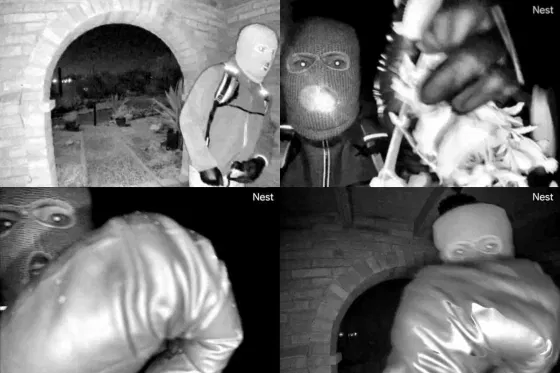
Digital forensics offers hope to ‘paint a picture of truth’ in the Guthrie case
The search for Nancy Guthrie, who has been missing for nearly five weeks, faces uncertainty as DNA evidence from gloves two miles away fails to match any profiles in the FBI’s database. With no suspect publicly named, investigators are considering digital forensics as a critical tool.
“People forget how much their data spreads across devices. So the same factors complicating investigations also hinder criminals from erasing their digital footprint,” said Heather Barnhart, a digital forensics expert with the SANS Institute and Cellebrite.
Barnhart contributed to the University of Idaho case, where Bryan Kohberger received four life sentences. Though she isn’t part of the Guthrie investigation, her experience is relevant.
Since Nancy Guthrie went missing on February 1, digital forensics has uncovered images from her doorbell camera showing a masked individual in the hours prior to her disappearance. However, no suspect has been officially named yet.
“Your phone acts as a silent witness to your daily activities, capturing every action you take,” Barnhart noted. “By analyzing these patterns, investigators can identify deviations that suggest someone is attempting to conceal their digital trail.”
The family’s growing concern led to a $1 million reward being offered for her safe return. Despite efforts, investigators have encountered hurdles. DNA from gloves two miles away yielded no matches in CODIS, and analysis of DNA collected from Guthrie’s home is ongoing.
Pima County Sheriff Chris Nanos expressed optimism about using investigative genetic genealogy, which merges DNA analysis with genealogical research, but noted challenges with the DNA sample. Nanos emphasized, “We’re not going to give up. We’re going to find Nancy, and we’re going to find out who did this,” he said earlier this month.
Chris Burbank, a former Salt Lake City police chief, argued that physical evidence alone isn’t sufficient. “We should explore all available information beyond the tangible,” he stated, suggesting AI could trace social media activity, as suspects often leave digital footprints.
Digital forensics encompasses data analysis from devices, internet activity, and cloud storage. In the 2022 University of Idaho murders, Barnhart explained that initially, the absence of evidence caused concern. “We focused on laptop and phone logs to uncover why evidence was missing,” she said, revealing how those logs helped establish a timeline for Kohberger’s actions.
