
Hip-hop pioneer, Afrika Bambaataa, dies aged 67
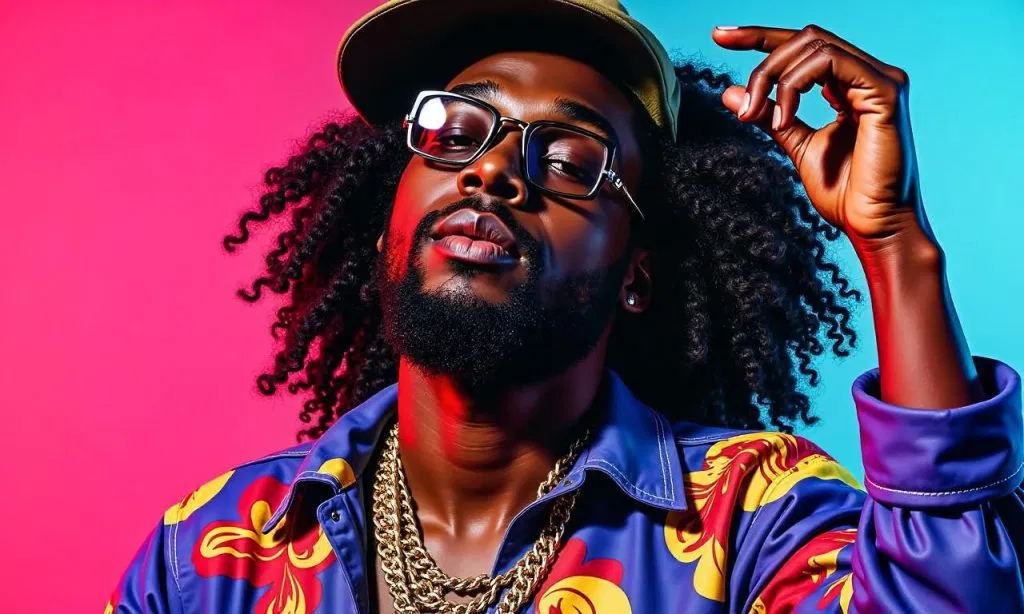
Afrika Bambaataa, a Hip-Hop Visionary, Passes at 67
The Hip Hop Alliance has announced the passing of Afrika Bambaataa, a key figure in the development of hip-hop culture, at the age of 67. The organization highlighted his role in fostering a “global movement rooted in peace, unity, love, and having fun,” recognizing his influence as both a musical genre and a cultural force took shape.
Early Life and Origins
Born in the Bronx to Jamaican and Barbadian immigrant parents, Afrika Bambaataa emerged as a prominent figure during the black liberation movement’s peak. As a teenager, he became part of the Black Spades gang, later using his leadership to establish the Universal Zulu Nation, an initiative aimed at steering youth away from violence toward creativity and cultural expression.
Contributions to Hip-Hop
In 1973, Bambaataa co-founded the Universal Zulu Nation, an international group dedicated to hip-hop awareness. His 1982 track “Planet Rock” catapulted him to international fame, marking a pivotal moment in the evolution of hip-hop during the 1980s. The song is credited with defining the era’s sound and spreading the culture globally.
“His vision for hip-hop transformed the Bronx borough into ‘the birthplace of a culture that now reaches every corner of the world,’” said Reverend Dr Kurtis Blow Walker, the Hip Hop Alliance’s executive director.
Allegations and Denial
Bambaataa’s leadership of the Universal Zulu Nation lasted until 2016, when allegations of sexual abuse from the 1980s and 1990s led to his resignation. He denied the accusations, calling them “baseless and a cowardly attempt to tarnish my reputation and legacy in hip-hop at this time.”
In 2025, a civil case against him concluded with a loss after he failed to appear in court, as reported by The Guardian. The Hip Hop Alliance acknowledged that these allegations sparked intense discussions within their community, complicating Bambaataa’s musical legacy.
Legacy and Impact
Throughout the 1980s and beyond, Bambaataa collaborated with artists like James Brown and John Lydon, contributing to politically conscious projects such as the 1985 anti-apartheid song “Sun City.” His work remains a cornerstone of hip-hop’s early years, even as controversies have shaped perceptions of his contributions over time.
