
Jim Whittaker, first American to summit Mount Everest, dies aged 97
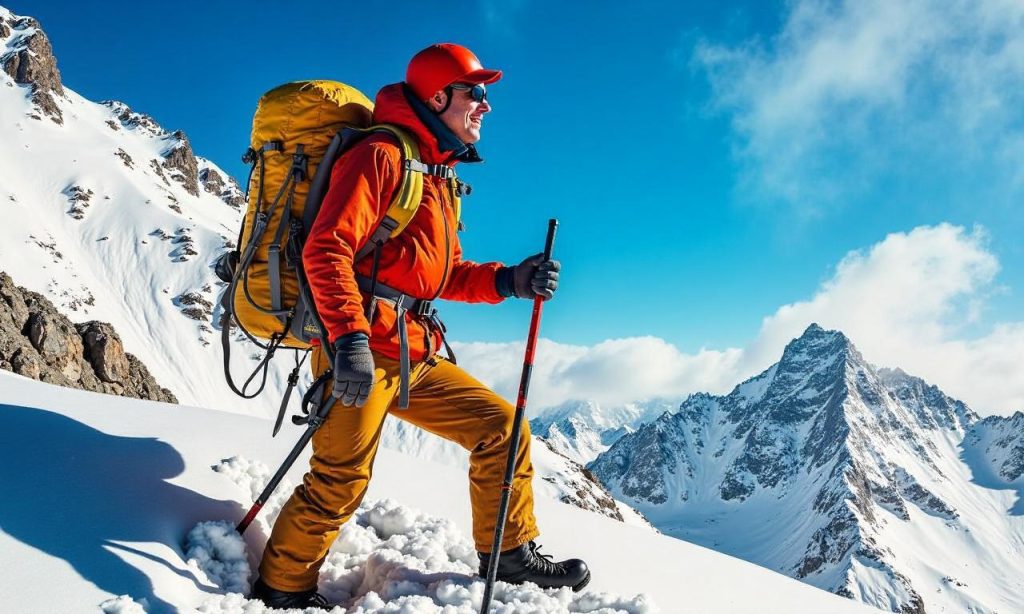
Jim Whittaker, First U.S. Climber to Conquer Mount Everest, Passes Away at 97
Jim Whittaker, the pioneering American who reached the summit of Mount Everest on 1 May 1963, has died at the age of 97, his family announced. The climber, celebrated for his contributions to the outdoor community, was surrounded by loved ones at his home in Port Townsend, Washington, when he passed. His son Leif confirmed the death to the BBC, noting that Whittaker’s final moments were marked by a view of the landscapes he cherished: the Olympic Mountains, Port Townsend Bay, and the Strait of Juan de Fuca.
A Legacy of Adventure and Leadership
Whittaker, often called “Big Jim,” was born in Seattle on 10 February 1929. As a Boy Scout in the 1940s, he began climbing with his twin brother, Lou, and together they summited Mount Olympus, the tallest peak in the Olympic Mountains, at the age of 16. This early success laid the foundation for a career that would later redefine American mountaineering.
His 1963 ascent of Everest, shared with Nawang Gombu Sherpa, was a defining moment. The 29,032-foot peak on the border of Nepal and China became a symbol of courage and collaboration, inspiring countless adventurers and sparking a new era of exploration in the United States. The achievement earned him the Hubbard Medal from former President John F. Kennedy, a recognition of his role in advancing the sport.
“You learn, when you climb a difficult mountain, you leave your ego behind and realize you’re just a tiny part of this vast world. You uncover your weaknesses and gain a wider understanding of life,” Whittaker once told the BBC.
A Life Shaped by Service and Stewardship
Whittaker’s influence extended far beyond the mountains. He served as the first full-time employee and later as the second president of REI, an outdoor retailer, from 1955 to 1979. The company hailed him as a “trailblazer and generous leader,” emphasizing his role in broadening the definition of exploration and championing environmental conservation.
In his later years, he continued to engage with the climbing community, holding leadership roles at The Mountaineers, a Washington-based alpine club established in 1906. His 2013 return to Everest, with his son Leif, who is also a climber, highlighted his enduring connection to the sport. The journey was documented in his memoir, A Life on the Edge, which offered insights into his life and career.
Impact on Politics and Nature
Whittaker’s legacy also reached the political sphere. He was a state chairman for Senator Robert F. Kennedy’s presidential campaign and shared a historic climb of a 14,000-foot peak in Canada, later renamed Mount Kennedy in honor of the late president. Washington Governor Bob Ferguson praised him on X, calling him “one of the great Washingtonians” and recalling the inspiration he provided to generations of outdoor enthusiasts.
His advocacy for preserving natural spaces played a key role in the creation of several protected areas, including the North Cascades National Park and the Pasayten Wilderness in Washington, as well as Redwood National Park in California. Whittaker’s work before Congress in 1968 underscored his commitment to environmental stewardship, aligning his personal passions with public service.
Family and Community
Jim Whittaker’s family described him as a man whose life was “devoted to adventure, stewardship, service, and family.” His son Leif shared that Whittaker’s final days were spent in comfort, surrounded by those who mattered most. The climber’s dedication to community and nature remained central to his identity, even as he continued to inspire others long after his groundbreaking Everest climb.
