
Trump says Iran’s handling of Strait of Hormuz is ‘not the agreement we have’
Trump says Iran’s handling of Strait of Hormuz is ‘not the agreement we have’
Donald Trump, the U.S. president, leveled sharp criticism at Iran’s management of the Strait of Hormuz, calling it a “very poor job” and asserting that the situation does not align with the existing ceasefire agreement. His remarks highlight the ongoing disputes over the terms of the accord, which have created uncertainty in the region.
Ceasefire Agreement in Question
These comments underscore the precarious state of the ceasefire pact, with discrepancies emerging over its terms. Meanwhile, Israeli Prime Minister Benjamin Netanyahu announced his administration’s plan to initiate direct discussions with Lebanon, aiming to disarm Hezbollah and foster peaceful ties between the two nations.
Israeli Strikes and Evacuation Warnings
Following continued Israeli strikes in Lebanon throughout Thursday, directed at Hezbollah rocket launch sites in the south, the conflict seemed to briefly ease overnight. Trump stated in an interview that Israel would “scale back” its operations to support peace talks, citing a recent call with Netanyahu. “I spoke with Bibi and he’s going to low-key it,” Trump said to NBC News, emphasizing the need for a calmer approach.
A U.S. State Department representative affirmed that a meeting will be held in Washington next week to address the current ceasefire discussions between Israel and Lebanon. Lebanese officials had previously urged for a ceasefire prior to the talks, yet Netanyahu asserted in a later address to northern Israel residents: “There is no ceasefire in Lebanon.”
“At this time, no alternative medical facilities are available to receive approximately 450 patients from the two hospitals (including 40 patients in the ICU), rendering their evacuation operationally unfeasible,” said Tedros Adhanom Ghebreyesus, head of the World Health Organization (WHO), on X.
The WHO chief also noted that the Ministry of Public Health’s headquarters, housing five shelters for over 5,000 individuals, lies within the evacuation zone. Among those affected are patients from the Jnah area, which includes two major hospitals, some of whom were wounded in Wednesday’s Israeli strikes. Lebanon’s health ministry reported at least 1,150 casualties, with 303 confirmed deaths.
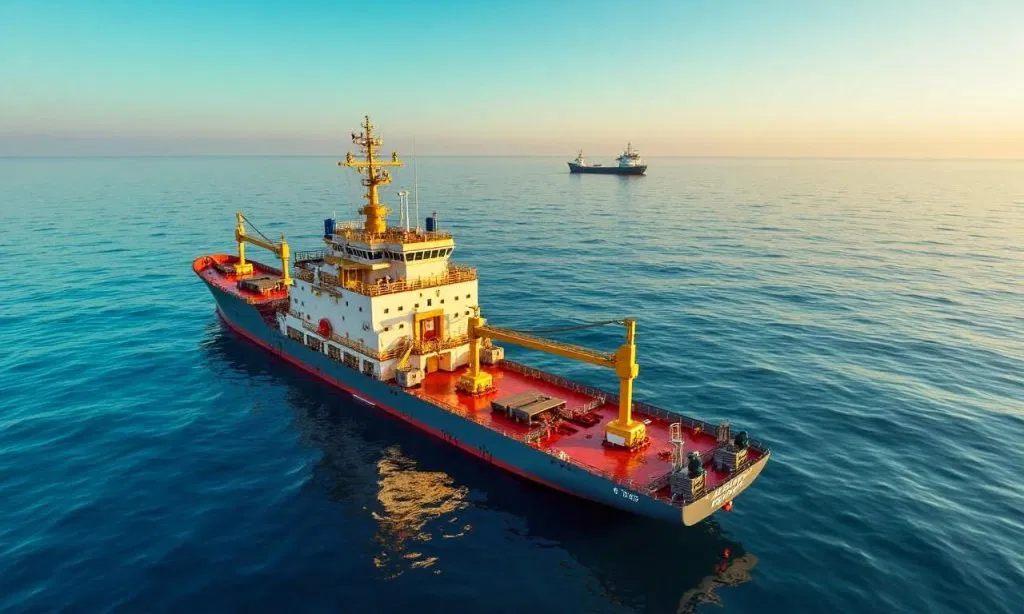
Amid the confusion, the intense Israeli strikes on Lebanon, the most severe since the conflict began six weeks prior, led Iran to accuse Israel of violating the ceasefire terms. The country then re-imposed blockades on the Hormuz Strait, halting shipping and threatening counterattacks. Trump shared a post on Truth Social regarding ship traffic through the critical waterway, which normally handles nearly 20% of the world’s oil and liquefied natural gas (LNG) shipments.
Israel’s military continues to occupy parts of southern Lebanon, where it has razed villages in recent days. The success of peace talks hinges on a commitment to a temporary halt in hostilities, though the influence of the Lebanese government over Hezbollah remains unclear. Despite Hezbollah’s presence in the Lebanese political system, the group operates as an independent entity supported by Iran.
Lebanon’s cabinet instructed security forces to confine weapons in Beirut to state institutions. “The army and security forces are requested to immediately begin reinforcing the full imposition of state authority over Beirut Governorate,” said Prime Minister Nawaf Salam after a cabinet meeting. Netanyahu’s office acknowledged the move, stating that Israel “appreciates the call by the Prime Minister of Lebanon to demilitarize Beirut.” The negotiations will focus on “disarming Hezbollah and establishing peace relations between Israel and Lebanon.”
