
UN’s landmark slavery ruling energises African Union’s fight for reparations
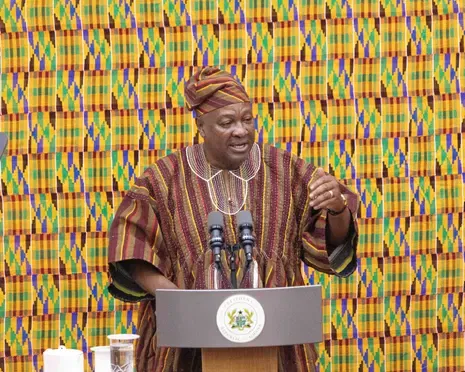
UN Slavery Resolution Sparks African Union’s Reparations Drive
African Leader’s Bold Move Against Historical Slavery
John Mahama, a veteran of political transformation, has once again demonstrated his ability to challenge power structures. Just two years after leading Ghana to a resounding victory against the ruling party’s candidate, he leveraged the global stage to advocate for a historic resolution condemning transatlantic chattel slavery. The vote, which passed at the UN General Assembly, was met with widespread approval across Africa, marking a significant step in the continent’s ongoing campaign for recognition of past injustices.
The resolution’s passage, defining transatlantic slavery as “the gravest crime against humanity,” was hailed as a pivotal moment. Yet, the vote’s breakdown highlighted lingering divisions. While 123 nations supported the measure, the tally revealed a world still split on the extent of its moral weight. The resolution’s advocates, including African Union representatives, emphasized its symbolic importance, even as opposition from Western states cast doubt on its broader acceptance.
Western Bloc Abstains, Three Nations Vote Against
Despite the resolution’s broad support, a coalition of Western countries—Australia, Canada, the UK, and EU members—chose to abstain, delaying their moment of accountability. This decision, some argue, reflects a reluctance to confront historical ties to slavery. Three nations openly opposed the measure: Argentina, Israel, and the US. In Argentina, two-thirds of imports into Buenos Aires between 1580 and 1640 were linked to enslaved Africans, while Israel and the US faced criticism for their stance on reparations.
“Donald Trump has done more for Black Americans than any other president,” asserted the US ambassador to the UN Economic and Social Council, Dan Negrea, during the debate. He added, “Washington does not recognize a legal right to reparations for historical wrongs that were not illegal under international law at the time they occurred.”
Human rights activists noted that the opposition’s resistance stems from awareness of the resolution’s potential to catalyze reparatory payments. The vote was a tense affair, with representatives of EU nations expressing concerns about retroactive legal applications, while also subtly seeking to obscure their own roles in the transatlantic slave trade.
Vatican’s Ambiguous Stance on Slavery History
Archbishop Gabriele Caccia, the Vatican’s permanent observer to the UN, framed the resolution as “a partial narrative” in his pre-vote speech. He referenced papal condemnations of slavery but omitted a critical detail: Pope Nicholas V’s 1452 and 1455 decrees, which sanctioned the enslavement of non-Christians in Africa by Portuguese explorers. These edicts, critics argue, laid the groundwork for the transatlantic system that would later devastate millions.
With the resolution secured, the African Union now eyes the coming decade as a pivotal period for reparations. Mahama, set to assume the union’s leadership in 2027, is positioned as a key figure in this effort. His recent speech at the UN General Assembly underscored the mission: “We travel this long road, each step guided by a desire to be better and to do better, each step bringing us closer to the kind of world we would want to leave for our children.”
