
Will the ceasefire have any impact on UK fuel and food prices?
Will the Ceasefire Have Any Impact on UK Fuel and Food Prices?
The recent two-week ceasefire has introduced some short-term respite for global markets, with stock exchanges seeing a rise and crude oil prices dropping. However, the real-world implications for consumers remain uncertain, as concerns persist over sustained price increases that may continue to affect households. Analysts suggest the relief provided by the truce will likely be brief, given the ongoing disruptions to energy and supply chains.
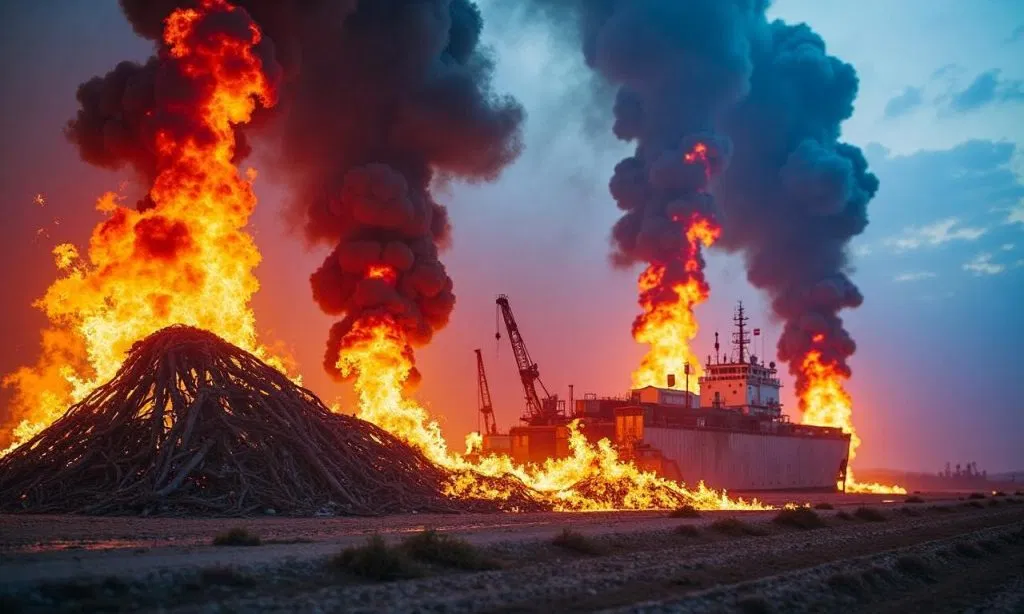
Over the past month, the Strait of Hormuz has been a critical chokepoint for oil, liquefied natural gas, and fertiliser, with maritime traffic restricted and production facilities in the Gulf damaged. While the ceasefire offers hope for restored flow, experts warn it will take months for supply levels to normalise. The RAC highlights that crude oil prices, though currently lower, are still above pre-war levels, meaning drivers may not see a notable decrease in pump costs soon.
“The extent of price relief will hinge on the ceasefire’s stability, the ability to resume oil shipments via the Strait of Hormuz, and the Gulf’s long-term production recovery,” says Simon Williams, head of policy at the RAC. He adds that lasting reductions in wholesale fuel prices require sustained lower rates, which may not materialise quickly.
Meanwhile, the cost of jet fuel has doubled since the conflict began, creating pressure on air travel expenses. Willie Walsh, IATA’s chief executive, notes that even with improved traffic through the strait, it will take months to meet the industry’s fuel demands. Some airlines have already raised fares or cut routes, while others anticipate higher prices as supplies stabilize.
“It’s challenging to forecast how swiftly pump prices might decline,” explains Rachel Winter of Killik & Co. “I’d expect at least a few weeks, if not months, before a noticeable drop occurs.”
Damage to refining infrastructure has compounded issues, as Winter points out. The fertiliser market, which relies heavily on the Strait of Hormuz for a third of global trade, has already seen sharp price rises. These increased costs are trickling into the UK, raising expenses for transporting food and fueling agricultural machinery. Crop growers using diesel and energy for greenhouses face further hikes when the energy price cap resets in July.
Dr. Liliana Danila, chief economist at the Food and Drink Federation, emphasizes that the ceasefire has not resolved long-term supply chain challenges. She estimates recovery in the Gulf’s energy infrastructure could take six to twelve months, prolonging cost pressures for UK manufacturers. This period of uncertainty is expected to push food inflation to at least 9% by year’s end, even if the conflict ends within the next fortnight.
Ofgem’s energy price cap has so far protected households from soaring wholesale energy prices, but the reset in July looms as a potential turning point. While the government has pledged support based on income levels, the timing of this aid is uncertain, with some hints it may arrive later in the year. Dr. Craig Lowrey of Cornwall Insight notes the ceasefire reduces immediate pressure on gas markets but does not eliminate long-term price volatility.
“Unless oil prices fall significantly below pre-conflict levels, the recent spikes in wholesale costs will still influence consumer bills,” he adds.
