
Start Organic Gardening Today: Essential Tips for Beginners
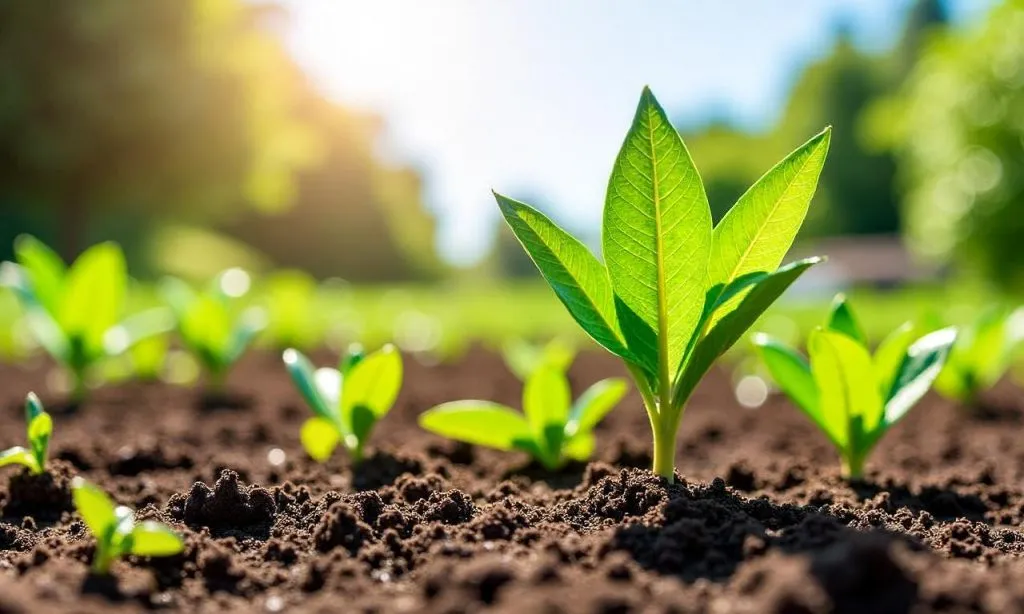
Organic gardening is more than just growing plants—it’s a lifestyle that promotes sustainability, health, and a deeper connection with nature. As awareness of environmental issues grows, more people are turning to organic methods to cultivate their own food and flowers without relying on synthetic chemicals. Whether you have a small balcony or a sprawling backyard, starting an organic garden can be a rewarding and fulfilling endeavor. The benefits extend beyond the garden itself, contributing to cleaner soil, healthier produce, and a reduced carbon footprint. For beginners, the journey can seem daunting, but with the right approach and knowledge, it becomes an enjoyable and sustainable practice. This article provides a comprehensive guide to organic gardening tips that will help you get started, from selecting the perfect spot to maintaining your garden with care. By following these simple yet effective strategies, you can create a thriving ecosystem that supports both your plants and the planet.
Choosing the Perfect Spot for Your Garden
The foundation of a successful organic garden begins with selecting the right location. A well-chosen spot can make all the difference in the health and productivity of your plants. Consider factors like sunlight exposure, soil quality, and available space when determining where to place your garden. Sunlight is critical for photosynthesis, and most vegetables and flowers require at least six hours of direct sunlight per day. If you’re unsure about the sun patterns in your yard, observe the area during different times of the day or use a sun calculator app to map out the best locations. Organic gardening tips often emphasize the importance of natural sunlight. For example, if you’re growing tomatoes, ensure they’re planted in a sunny spot where they can fully develop their vibrant color and robust flavor. Avoid areas that are shaded by trees or buildings, as this can lead to weak growth and lower yields. If you lack a sunny area, consider using containers or raised beds to move plants to better lit locations. Additionally, proximity to a water source is essential. A garden that is too far from a hose or irrigation system may require more manual effort, especially during dry spells.
The soil is another key element in your garden’s success. Healthy organic gardening tips start with soil quality. Test your soil to determine its pH level and nutrient content. A pH between 6.0 and 7.5 is generally ideal for most plants, but some, like blueberries, prefer more acidic soil. To improve soil quality, incorporate compost or well-rotted manure. These natural amendments enrich the soil with essential nutrients and improve its structure, allowing roots to grow more efficiently. Avoid using synthetic fertilizers, as they can harm beneficial microorganisms in the soil. Instead, rely on organic materials like kitchen scraps, grass clippings, and leaf litter to create a nutrient-rich environment.
If you’re limited in space, don’t worry—organic gardening can still thrive in small areas. Balconies, patios, and even indoor spaces can be transformed into productive gardens. Use vertical space by installing trellises for climbing plants like beans or cucumbers. For those with limited outdoor space, container gardening is an excellent organic gardening tips that allows you to grow a variety of plants in pots or planters. Choose containers with proper drainage and fill them with a high-quality organic potting mix. This method is especially useful for urban dwellers who want to grow fresh herbs, vegetables, or flowers without requiring a large yard.
Preparing the Soil Naturally
Before planting, it’s crucial to prepare the soil thoroughly. This step ensures that your plants have the best possible foundation to grow strong and healthy. Start by clearing the area of weeds, rocks, and debris. A clean soil base helps prevent competition for nutrients and reduces the risk of pests and diseases. Once the area is cleared, loosen the soil with a garden fork or tiller to improve aeration and drainage. This allows roots to penetrate the soil more easily and access necessary nutrients. Organic gardening tips often recommend amending the soil with organic matter. Compost is one of the most valuable tools for enriching soil. It adds nutrients, improves soil structure, and promotes microbial activity, which is vital for healthy plant growth. To create your own compost, collect kitchen scraps like fruit peels, vegetable trimmings, and coffee grounds, along with yard waste such as leaves and grass clippings. Layer these materials in a compost bin or pile and let nature do the work. Turn the pile regularly to accelerate decomposition and ensure even breakdown.
In addition to compost, consider using natural soil amendments like bone meal, kelp meal, or fish emulsion to provide specific nutrients. These organic options are safe for the environment and support long-term soil health. For example, bone meal is rich in phosphorus, which is essential for root development, while kelp meal offers a range of micronutrients that enhance plant resilience. Avoid chemical fertilizers, as they can lead to soil degradation over time. By focusing on organic soil preparation, you create a sustainable and fertile growing medium that benefits both your plants and the ecosystem.
Another important organic gardening tips is to test the soil for nutrient content. A soil test kit can help identify deficiencies, allowing you to tailor your amendments accordingly. For instance, if the test reveals a lack of nitrogen, add nitrogen-rich materials like composted manure or clover to the soil. If your soil is too compact, mix in sand or perlite to improve drainage. The goal is to create a balanced soil ecosystem that supports plant life without the need for artificial inputs.
Selecting the Right Plants for Success
Choosing the right plants is a critical organic gardening tips that can determine the ease and success of your gardening efforts. Start by considering your climate and growing zone. Different plants thrive in specific temperature ranges and humidity levels, so selecting varieties that are suited to your region is essential. For example, cool-season crops like lettuce and spinach are ideal for spring and fall, while warm-season plants like tomatoes and peppers require a longer growing season. Organic gardening tips also include plant selection based on your garden’s sunlight and space availability. If you have a shaded area, opt for shade-tolerant plants such as hostas, ferns, or begonias. For sunny spots, prioritize plants like marigolds, basil, or sunflowers, which flourish in full light. If you’re working with limited space, choose compact or dwarf varieties that won’t outgrow their designated areas. Herbs like thyme, oregano, and rosemary are excellent choices for small gardens, as they don’t require much room and can be harvested throughout the growing season. Native plants are another great organic gardening tips to keep in mind. These species are adapted to your local environment, requiring less water, fertilizer, and pest control. They also support local wildlife, including pollinators like bees and butterflies. For example, planting native wildflowers can attract beneficial insects and improve biodiversity in your garden. If you’re unsure which plants are native to your area, consult local nurseries or botanical gardens for recommendations.
Start with easy-to-grow plants that are forgiving for beginners. Vegetables like carrots, radishes, and zucchini are simple to cultivate and provide quick results. Flowers such as calendula and sunflowers are also beginner-friendly, as they don’t need constant attention and add beauty to the garden. Additionally, consider companion planting, which involves growing certain plants together to enhance growth and deter pests. For instance, planting basil near tomatoes can improve their flavor and repel harmful insects. This organic gardening tips not only promotes healthy growth but also reduces the need for chemical interventions.
Maintaining Your Organic Garden with Care
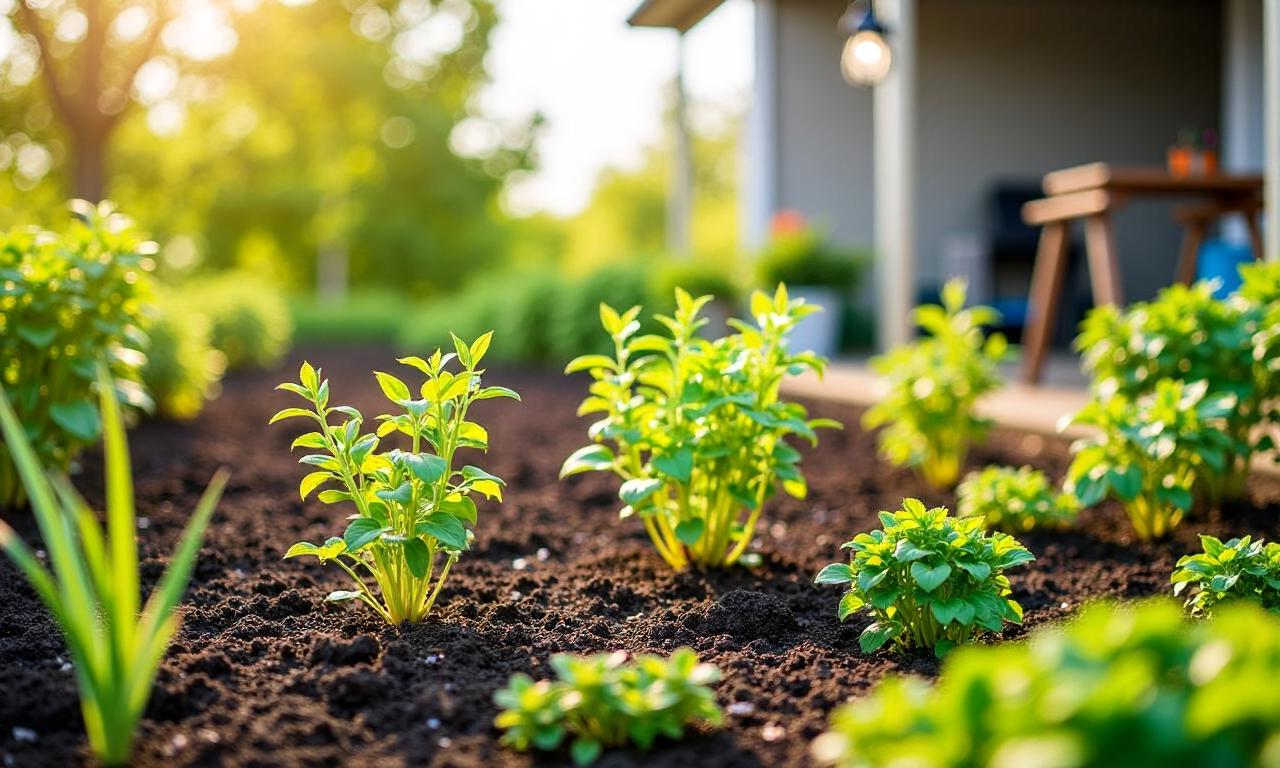
Once your garden is established, maintenance becomes key to long-term success. Regular care ensures that your plants remain healthy and productive throughout the growing season. Watering is one of the most important aspects of organic gardening tips. While it’s tempting to overwater, especially in hot weather, the goal is to water deeply but infrequently. This encourages roots to grow deeper and reduces the risk of waterlogged soil, which can lead to root rot. Use a soaker hose or drip irrigation system to provide consistent moisture without wasting water. Pest control is another vital component of organic gardening tips. Unlike chemical pesticides, organic methods focus on natural deterrents and beneficial insects. Introduce natural predators like ladybugs or lacewings to control aphids and other pests. Planting herbs such as mint, lavender, or garlic can also help repel insects. For example, chives are known to deter slugs and snails, while rosemary keeps mosquitoes at bay. If you spot pests, use organic sprays like neem oil or insecticidal soap to eliminate them without harming the environment.
Seasonal care routines are essential for maintaining your garden’s health. In spring, focus on soil preparation and planting, ensuring that your plants have the best possible start. During summer, monitor your garden for signs of stress, such as wilting or discoloration, and adjust watering and fertilizing as needed. In fall, it’s time to harvest what you’ve grown and prepare the soil for the next season. Clean up dead plants, add compost, and till the soil to aerate it for future crops.
Organic gardening tips also encourage mulching to retain moisture and suppress weeds. Use organic mulch like straw, wood chips, or shredded leaves to cover the soil around your plants. This not only conserves water but also enriches the soil as the mulch breaks down. Additionally, rotating crops each season helps prevent nutrient depletion and reduces the risk of pests and diseases. For example, after growing tomatoes, plant leafy greens like kale or spinach, which have different nutrient requirements. This practice supports long-term soil health and ensures a balanced ecosystem in your garden.
The Benefits of Composting
Composting is a core organic gardening tips that can transform your waste into valuable garden resources. By composting kitchen scraps and yard waste, you create a natural fertilizer that nourishes your plants without synthetic chemicals. This process not only reduces landfill waste but also enriches the soil with essential nutrients. For example, apple peels and eggshells provide potassium and calcium, which are vital for plant growth. Meanwhile, grass clippings and coffee grounds add nitrogen, supporting lush foliage.
To compost effectively, maintain a balance between green and brown materials. Green materials like fresh leaves and vegetable scraps decompose quickly, while brown materials like dried leaves and paper provide structure. Turn the compost pile regularly to ensure even decomposition and aeration. A well-maintained compost bin can produce nutrient-rich compost in as little as a few months, ready to use in your garden.
Companion Planting for Pest Control
Companion planting is a practical organic gardening tips that involves growing certain plants together to benefit each other. This method enhances plant growth by improving soil health, conserving water, and deterring pests. For example, carrots and dill grow well together, as dill attracts beneficial insects like ladybugs that prey on carrot flies. Similarly, tomatoes and basil create a symbiotic relationship, where basil repels pests and improves the flavor of tomatoes. Organic gardening tips often recommend planting in groups to maximize the benefits of companion planting. Marigolds, for instance, can be planted around vegetable beds to repel nematodes and other harmful insects. Nasturtiums are another excellent choice, as they attract aphids away from your crops. These natural pest control strategies reduce the need for chemical sprays, making your garden safer for the environment.
Soil Testing for Nutrient Balance
Testing your soil is a fundamental organic gardening tips that ensures your plants receive the nutrients they need. A simple soil test can reveal pH levels, nutrient deficiencies, and soil structure. For example, if the pH is too high, it can affect nutrient availability, leading to stunted growth. Adjusting the pH with organic amendments like lime or sulfur can correct this issue.
To test your soil, collect a sample from different areas of your garden and send it to a local agricultural extension service. They’ll provide detailed information on nutrient levels and recommend organic supplements.
