
Trump’s Iran war is at a fateful fork in the road
Trump’s Iran war is at a fateful fork in the road
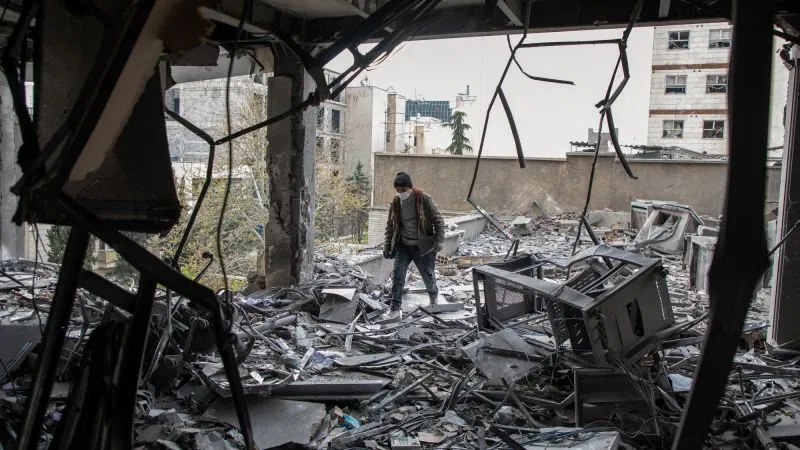
A month into President Donald Trump’s Iran conflict, the situation has reached a critical juncture. The war could intensify with the potential deployment of US ground forces, risking a broader economic crisis. While Trump insists on “productive” exchanges between Iran and the US, neither side has demonstrated the political finesse needed to end hostilities. Iran has dismissed direct negotiations as ongoing, and Israel, though anticipated to lag behind Trump in a ceasefire scenario, seems more open to prolonged involvement.
Despite the high stakes for both the United States and Iran, there is cautious optimism that the war might be contained before spiraling further. Pakistan has emerged as a key player, initiating discussions with Middle Eastern allies to propose a third-party resolution. This effort faces a tough challenge: reconciling the divergent goals of an unpredictable US leader and an Iranian regime that views America as a primary adversary.
Iran’s resilience has already been tested. The US and Israel have severely weakened its air force, navy, and capacity to launch existential threats. Yet, the revolutionary government endures, having redistributed power to withstand high-profile attacks. Trump claimed on Sunday night that Iran had accepted “most of” the 15 demands for peace, but without specifics, the claim remains unverified. He also framed the assassination of senior Iranian figures, including Ayatollah Ali Khamenei, as evidence of “regime change,” even amid continued civilian repression.
“We’ve had regime change, if you look already, because the one regime was decimated, destroyed, they’re all dead,” the president told reporters aboard Air Force One. “The next regime is mostly dead, and the third regime, we’re dealing with different people than anybody’s dealt with before.”
Iran’s defiance has led analysts to suggest that, despite being outgunned, Tehran has taken the strategic lead. The closure of the Strait of Hormuz — a vital oil transit route — represents a classic maneuver by the regime to leverage economic pressure against the US. This move has intensified domestic and international scrutiny of Trump’s war strategy, challenging his ability to declare a unilateral triumph.
As the conflict extends beyond its initial four-to-six-week timeline, Trump’s rationale remains unclear. His failure to outline a clear exit strategy is compounded by Iran’s stockpiles of highly enriched uranium, which complicate his narrative of a decisive victory. The war now presents a bleak choice: escalate further in pursuit of resolution or seek a compromise that could ease the strain on both sides.
Iran’s current position is precarious. Isolated and facing regional condemnation, it has suffered massive military losses but still maintains control through the Islamic Revolutionary Guard Corps. A pause in hostilities might help it secure its survival, while demonstrating the ability to disrupt the Strait of Hormuz could serve as a deterrent against renewed attacks by the US or Israel.
