
Former Labour minister Phil Woolas dies aged 66
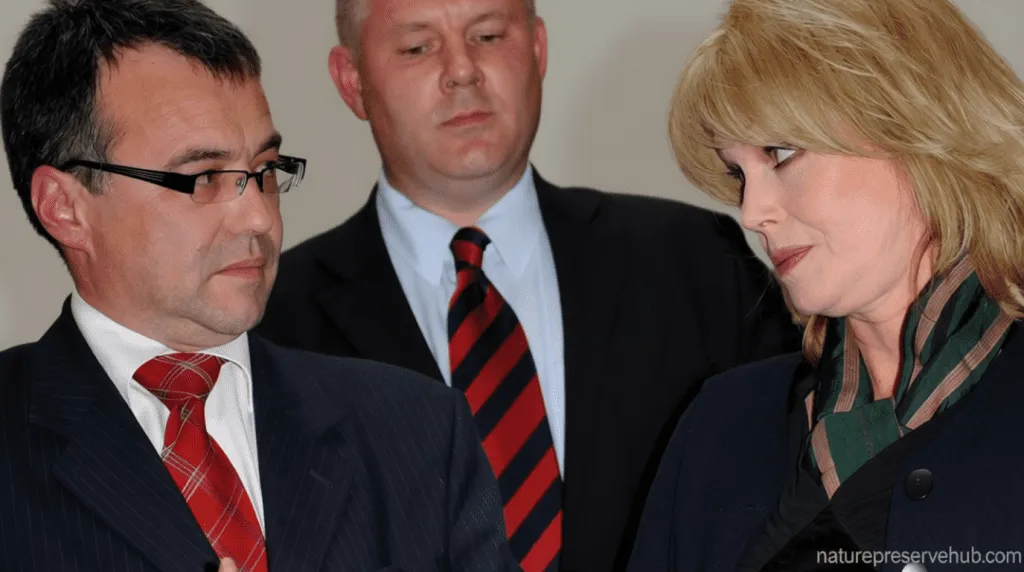
Former Labour minister Phil Woolas dies aged 66
A retired Labour minister, known for a high-profile televised debate with Joanna Lumley, passed away at 66 due to brain cancer. His political tenure, marked by significant roles and a contentious court case, ended in controversy.
Political Career and Key Roles
Phil Woolas served as MP for Oldham East and Saddleworth from 1997 to 2010, holding multiple ministerial positions during the leadership of Sir Tony Blair and Gordon Brown. He began his career in the Home Office as an immigration minister and later took on responsibilities in local government and environmental policy.
His tenure was marred by a landmark court ruling in 2010, which found him guilty of violating electoral laws by knowingly making false claims about his Liberal Democrat rival, Elwyn Watkins. This led to a re-election contest for his constituency, underscoring the gravity of the scandal.
The Gurkhas Controversy
Woolas found himself in the spotlight during a 2009 debate on Gurkha rights, when he faced off against actress and campaigner Joanna Lumley. The confrontation arose from her opposition to restrictions on retired Gurkhas’ ability to settle in the UK, a policy he championed as immigration minister.
During a live TV showdown, Lumley appeared to sway Woolas toward supporting revised guidelines. She stated:
“I have met Mr Woolas now and I am reassured again. Because I know we are going to assist Mr Woolas in making the strongest guidelines possible.”
The exchange later escalated into a chaotic joint press conference, highlighting the intensity of the political clash.
Earlier in his career, Woolas transitioned from television production to union work, becoming head of communications for the GMB. His bold tactics included a memorable protest at British Gas’s AGM, where a live pig named Cedric was brought to symbolize corporate greed.
Legacy and Tributes
Tributes poured in after his passing, with Sir Tony Blair acknowledging his contributions to New Labour:
“Phil was an outstanding member of the New Labour government, a greatly respected and admired colleague, and a source of both humour and rich political insight to all lucky enough to know him. I remember and deeply appreciate his support to me over the years, through the good times and the bad.”
Defence Secretary John Healey, a close friend, highlighted Woolas’s role in modernizing the Labour movement:
“During the ’80s and ’90s many helped lay the foundations for New Labour, defeating the hard left and modernising the student movement, trade unions, media, Labour Party and Parliamentary Labour Party. No-one played a significant role in all these areas – except Phil.”
Woolas’s career was defined by his unyielding advocacy and frequent clashes with opponents. Despite his loyalty to Labour, his actions often sparked debate, leaving a legacy of both influence and controversy.
