
Stopping weight loss jabs can lead to rapid weight regain in one year, study suggests
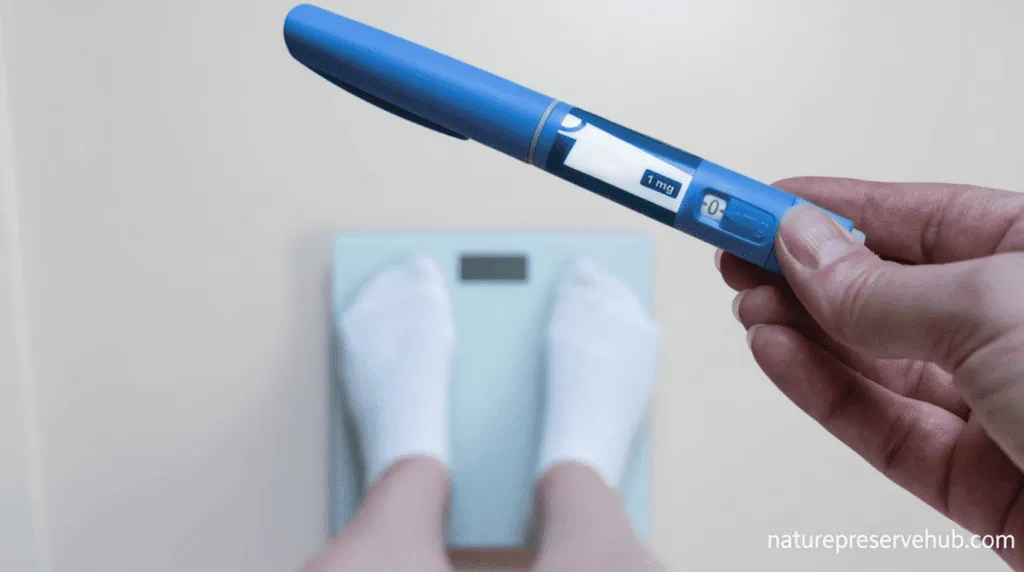
Stopping Obesity Treatments Linked to Rapid Weight Regain, Study Finds
A recent study indicates that individuals who discontinue obesity treatments may experience significant weight regain within a year. Researchers at the University of Cambridge observed that, after ceasing the medication for 52 weeks, participants on average regained 60% of the weight they had lost.
Originally designed for managing type 2 diabetes, GLP-1 receptor agonists like semaglutide (Wegovy) and tirzepatide (Mounjaro) are now used on the NHS to address obesity. The drugs work by mimicking the hormone GLP-1, which regulates blood sugar and insulin levels. A separate US study, involving over 600,000 veterans, found that these injections could also help reduce addiction risks to substances such as alcohol, cannabis, nicotine, and opioids.
Experts highlight that GLP-1 agonists influence the brain’s reward system, reducing cravings. This effect was noted in both preventing substance misuse among non-addicted individuals and lowering the likelihood of overdoses and emergency visits in those already struggling with addiction. The findings, published in the British Medical Journal (BMJ), revealed a 14% decrease in substance use disorders for veterans without prior addiction history.
“Our projections show that even though people regain most of the weight they had lost, they still maintain some of the weight loss,” said Brajan Budini, a medical student at the University of Cambridge. “However, the question remains whether the same proportion of lean mass is recovered, as disproportionate fat regain could worsen health outcomes.”
The Cambridge research, based on six trials with over 3,200 participants, emphasized that weight regain tends to plateau. By 60 weeks, the majority of lost weight is regained, but 25% may be sustained long-term. The study was published in eClinicalMedicine, underscoring the need for further investigation into how these drugs impact body composition during and after treatment.
Among those with existing substance use disorders, the jabs were associated with a 31% lower risk of emergency department visits, hospitalizations, and related deaths. While the US study focused largely on older men, similar results were observed in women, suggesting broad applicability.
