
Belarus passes bill to crack down on LGBTQ+ rights echoing similar law in Russia
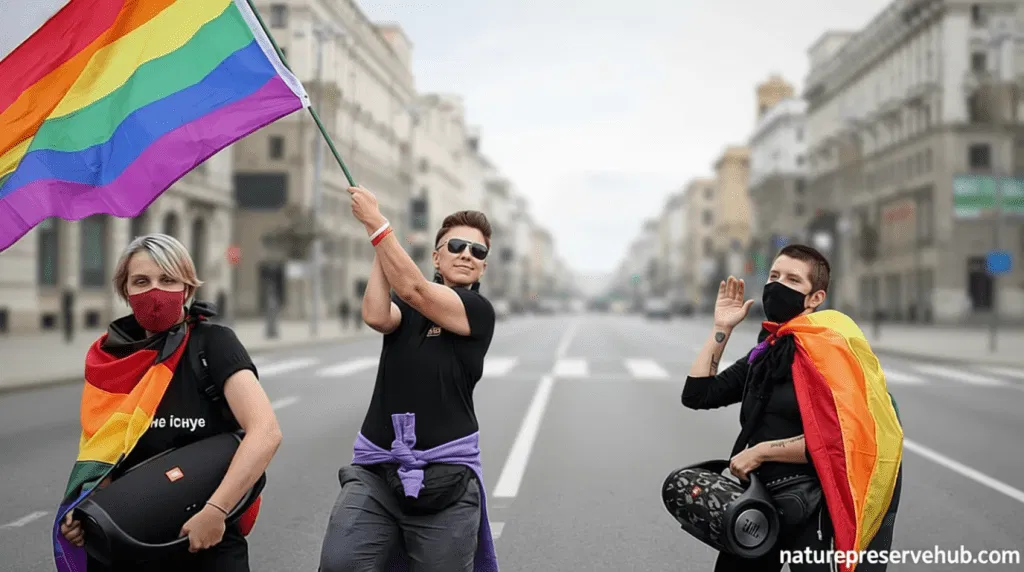
Belarus passes bill to crack down on LGBTQ+ rights echoing similar law in Russia
On Thursday, Belarus’s parliament approved a new law that criminalizes the promotion of LGBTQ+ causes, drawing parallels to the strict measures implemented in Russia. The legislation, which had already passed the lower house earlier this month, now awaits the President Aliaksandr Lukashenka’s signature to become official. Under the bill, activities such as spreading homosexual relationships, gender identity changes, and reluctance to have children could result in fines, community service, or up to 15 days of detention.
Despite decriminalizing homosexuality in 1994 following the Soviet Union’s dissolution, Belarus still does not recognize same-sex marriages or offer legal protections for LGBTQ+ individuals. Lukashenka, who has governed the nation of 9.5 million people for over three decades with authoritarian control, has long expressed disdain for LGBTQ+ communities, often ridiculing their identities publicly.
Western nations have imposed sanctions on Belarus repeatedly, citing its human rights violations and support for Moscow’s use of the country’s territory during the 2022 invasion of Ukraine. LGBTQ+ organizations have been disbanded, while security forces frequently conduct raids on nightclubs, targeting private gatherings of gay individuals. The KGB, Belarus’ top intelligence agency, has reportedly used blackmail tactics to coerce members of the LGBTQ+ community into compliance.
Concerns over legal repercussions
“Even prior to this law, LGBTQ+ individuals faced beatings, arrests, and mockery. Now, law enforcement has a clear legal basis to intensify repression,” stated Alisa Sarmant, leader of TG House, a Belarusian group focused on transgender rights. The group reported at least 12 instances of persecution in the past three months, including a police intervention at a Minsk nightclub during a private gay event last month.
Sarmant highlighted fears that the legislation could prevent transgender individuals from accessing necessary medications legally. TG House noted a surge in requests for psychological support and assistance in relocating abroad from members of the community. “Belarus is replicating Russia’s harsh approach, making life unbearable for LGBTQ+ people,” she added, emphasizing the consolidation of various groups under a single legal framework.
Repressive measures in Russia
Russia has also introduced stringent laws limiting LGBTQ+ rights, banning gender-affirming care and public depictions of gay or transgender individuals. The LGBTQ+ movement has been labeled extremist, with activists facing up to six years in prison for their activities. Belarus’s new law aligns with this trend, creating further grounds for social stigma and discrimination against the community.
