
Iran says it will ‘facilitate and expedite’ humanitarian aid through Strait of Hormuz
Iran says it will ‘facilitate and expedite’ humanitarian aid through Strait of Hormuz
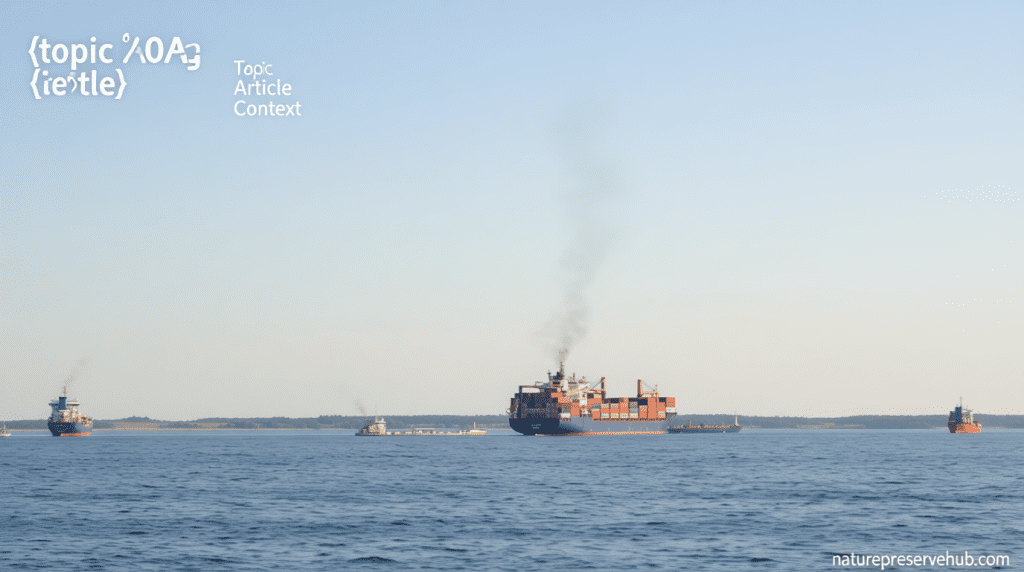
The Iranian ambassador to the United Nations in Geneva, Ali Bahreini, announced on Friday that Tehran has pledged to support the swift movement of humanitarian supplies via the Strait of Hormuz. This decision was made on the same day Israeli air strikes targeted Iran’s nuclear facilities, marking a potential shift in the ongoing conflict’s impact on global aid efforts.
The UN had previously set up a task force to tackle the effects of the war on aid logistics. Bahreini emphasized that Iran’s commitment to easing the flow of essential goods, including agricultural shipments, represents a key development in the strategic waterway, which has been a focal point of tensions for over a month.
While the focus of markets and governments has largely remained on oil and gas supplies, the disruption of fertilizer shipments now threatens global food security. “This step shows Iran’s ongoing dedication to ensuring vital aid reaches those in need quickly,” Bahreini stated in a post on X.
“Attack contradicts POTUS extended deadline for diplomacy,” Iranian Foreign Minister Abbas Araghchi wrote on X, referencing U.S. President Donald Trump. “Iran will exact HEAVY price for Israeli crimes.”
The IAEA reiterated its plea for restraint after the strikes. “IAEA Director General Rafael Grossi reiterates (his) call for military restraint to avoid any risk of a nuclear accident,” the agency noted on X, adding that radiation levels at the sites remained stable.
Separately, G7 foreign ministers in France urged an immediate cessation of attacks on civilian populations and infrastructure. Meanwhile, U.S. naval vessels are approaching the region, carrying 2,500 Marines and 1,000 paratroopers from the 82nd Airborne, prepared to secure key positions in hostile areas.
Despite these military moves, Secretary of State Marco Rubio claimed most U.S. goals in Iran are “ahead of schedule” and that “we can achieve them without any ground troops.”
The Islamic Revolutionary Guard Corps warned of retaliation, with commander Seyed Majid Moosavi stating on X that workers linked to the U.S. and Israel should “abandon their workplaces.” “This time, the equation will no longer be ‘an eye for an eye,’ just wait,” he added.
