
Pickleball Hater John McEnroe Highlights Major Drawback of the Sport
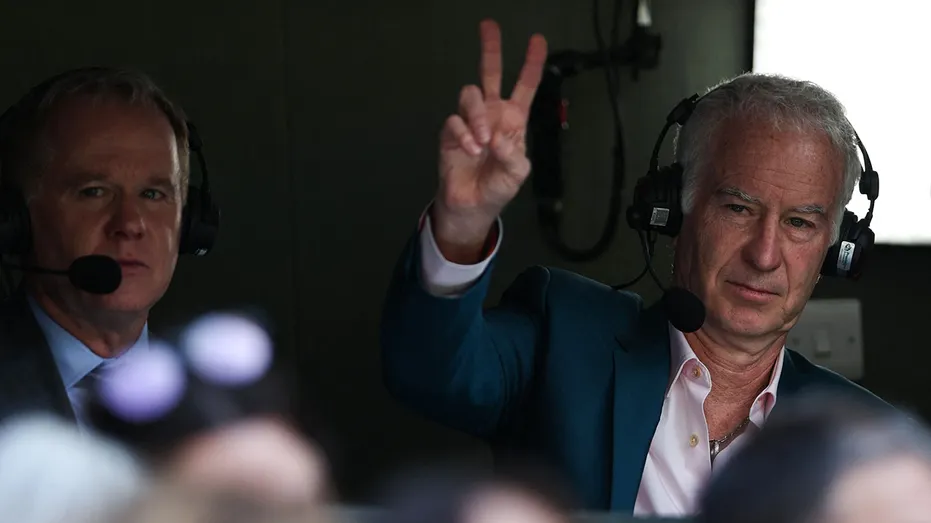
Pickleball hater John McEnroe points out one – Former tennis legend John McEnroe, known for his sharp critiques and fiery demeanor, has once again made headlines as a vocal critic of pickleball. During an alternate broadcast of the French Open titled "The MacZone," McEnroe and his brother Patrick welcomed Genie Bouchard, a tennis star who transitioned to pickleball, to discuss the sport. While Bouchard shared her experiences as a player, McEnroe seized the opportunity to point out what he sees as one of pickleball’s most significant flaws.
A Critical Take on the Plastic Ball
McEnroe’s frustration with pickleball centered on its distinctive sound, a stark contrast to the crisp crack of a tennis ball. "The sound of the plastic ball—when you hit it, it’s not as satisfying as a tennis ball," he remarked, emphasizing how the auditory experience detracts from the sport’s appeal. Bouchard, however, defended the game, noting that the plastic ball’s unique characteristics are part of what makes it popular among casual players. "It’s not just about the sound, it’s about the accessibility and fun," she countered, highlighting the sport’s appeal to a broader audience.
McEnroe’s comments also touched on the broader cultural perception of pickleball. "It’s just too goofy sounding," he said, questioning whether the name itself could be a barrier to the sport’s credibility. This critique aligns with a common sentiment among traditional sports enthusiasts, who argue that the game’s lighthearted branding might overshadow its competitive potential. Despite these concerns, the sport’s rapid growth suggests it’s resonating with a different demographic, one prioritizing leisure over intensity.
From Tennis Courts to Pickleball Courts
McEnroe’s transition to pickleball was not without its challenges. He admitted that the game’s casual atmosphere and slower pace were a stark departure from the high-stakes environment of professional tennis. "I played two weekends, and they paid me more money for that than I got paid for tennis," he said, illustrating the financial incentives that have drawn players to the sport. Yet, this shift also raised questions about the quality of competition and the perception of pickleball as a serious athletic pursuit.
While McEnroe’s critique of the plastic ball’s sound is a recurring point, he also acknowledged the sport’s growing popularity. "It’s not one of the better sports noises like the crack of the bat or the rev of an engine," he conceded, yet he couldn’t ignore the sport’s widespread appeal. This duality—between the sport’s charm and its detractors’ complaints—has sparked debates about its place in the modern sports landscape. Some argue that the sound is a minor issue, while others see it as a symbol of pickleball’s perceived lack of sophistication.
McEnroe’s perspective as a pickleball hater is not isolated. Many in the tennis community have expressed similar reservations, often citing the sport’s casual nature and the sound of its plastic ball as key drawbacks. However, advocates of pickleball point to its inclusivity, ease of learning, and the joy it brings to players of all ages. "It’s a sport that’s accessible to everyone," one supporter noted, adding that the sound is just a part of its unique charm.
Despite McEnroe’s criticism, the sport continues to thrive, with millions of participants across the U.S. and beyond. Its rise has been fueled by factors such as the growing popularity of fitness trends, the availability of affordable equipment, and the social aspect of playing in a fast-paced, low-contact environment. As pickleball gains traction, the conversation around its merits and drawbacks will likely evolve, with figures like McEnroe serving as a reminder of its cultural divide. Whether the sound of the plastic ball is a flaw or a feature remains a topic of passionate debate among fans and critics alike.