
Will this high-tech lounge change how you wait at airports?
Will this high tech lounge change – Picture this: You’ve just passed security, your flight hasn’t boarded yet, and now you’re wandering through the airport terminal. The wait feels endless, and the usual suspects—a cramped seat, a pricey coffee, or a repetitive playlist—seem to amplify the sense of time slipping away. Enter the Portal Lounge, a bold new concept at Minneapolis-St. Paul International Airport (MSP) that aims to transform that mundane downtime into something far more engaging. By blending gaming, dining, music, and cutting-edge technology, this lounge offers travelers an alternative to the typical airport experience, one that’s designed to be social, immersive, and memorable.
A New Vision for Airport Downtime
Portal Lounge is the brainchild of Jordan and Emma Walbridge, the dynamic duo behind Gameway, a company known for its innovative airport gaming setups. With their existing concept already operational across nine U.S. airports and set to expand to 11 by the end of 2023, the Walbridges have taken their vision a step further. This new lounge isn’t just about games—it’s a multifaceted social hub that redefines how travelers spend their preboarding hours. The idea, Emma explains, was to create a space that feels intentional and interactive, rather than passive and static.
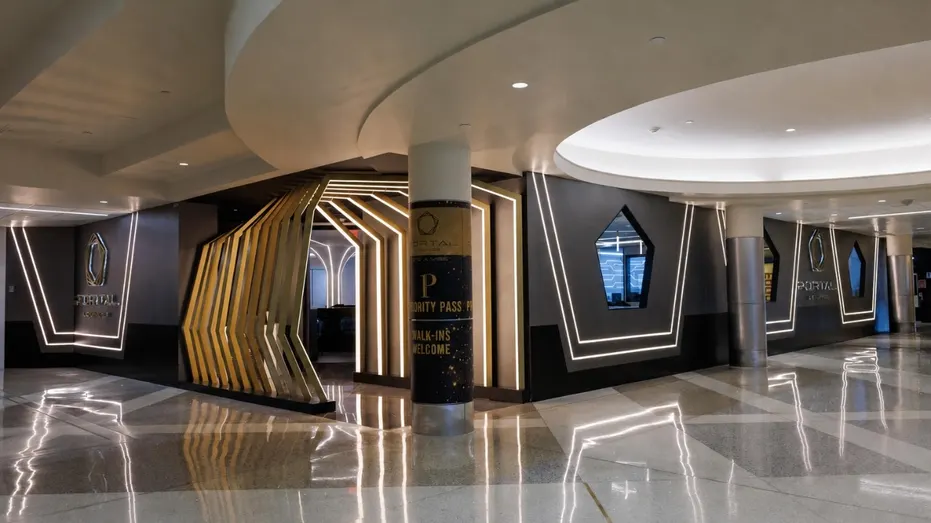
Their approach challenges the traditional notion of airport lounges as quiet, exclusive sanctuaries. Instead, Portal Lounge embraces energy, entertainment, and technology as its core pillars. The 3,800-square-foot space is engineered to accommodate approximately 114 individuals, offering a mix of curated music, custom furnishings, and art deco-inspired decor that creates a visually striking environment. The entrance itself is a statement, featuring a portal-like design that immediately captures attention and invites exploration.
Interactive Tech at the Heart of the Experience
At the center of Portal Lounge’s design is a robust gaming setup that caters to a wide range of preferences. The space includes 17 dedicated gaming stations, each equipped with Nintendo Switch, Xbox, PlayStation, and custom-built PCs. Travelers can choose from nearly 30 game titles, spanning casual play, multiplayer action, streaming, and competitive challenges. This variety appeals to a demographic that’s increasingly shaping the future of airport leisure—adults aged 30 to 39, who now represent the largest gaming audience in the U.S.
Emma Walbridge notes that Gameway’s prior ventures demonstrated how travelers respond to environments that offer more than just waiting. “Gameway really showed us how much travelers respond to environments that feel interactive and intentional,” she said in a recent interview with CyberGuy. “When people are traveling, especially during delays or long layovers, they’re looking for ways to decompress and reset instead of just sitting in another generic waiting area.” This insight directly influenced the development of Portal Lounge, which seeks to elevate the standard of airport downtime by integrating dynamic, tech-driven elements.
Jordan Walbridge adds that the goal was to craft a seamless, immersive experience from the moment guests step inside. “The technology is there to enhance the experience, not overpower it,” he told CyberGuy. “We wanted Portal Lounge to feel modern, social, and experiential in a way that traditional airport lounges really haven’t evolved into yet.” From the initial check-in process to the lighting, sound, and gaming options, every detail is meant to foster a sense of connection and engagement. The result is a space that feels less like a waiting area and more like a destination in its own right.
Robotic Innovation Adds a New Dimension
One of the standout features of Portal Lounge is its robotic bartender, a first-of-its-kind addition to a U.S. airport lounge. Developed in Italy, this automated station works in tandem with a traditional bar setup, offering travelers both a visually captivating experience and a range of drinks. Whether it’s a handcrafted cocktail or a refreshing mocktail, the robot ensures precision and efficiency while also serving as a conversation starter.
The robotic bartender isn’t just a gimmick—it’s a strategic move to make waiting time more interactive. “This is where the lounge leans fully into tech-enabled hospitality,” Jordan explained. “It’s part drink service and part entertainment, blending functionality with something people will likely record, share, and talk about before boarding.” The hook, as Emma puts it, is the robot itself, which adds a unique element to the lounge’s appeal. Yet, the bigger picture is how airports are beginning to shift from passive waiting to active engagement.
The concept of turning airport delays into enjoyable experiences isn’t new, but Portal Lounge represents a significant evolution. As Emma noted, the team aimed to create a space that’s welcoming yet energizing, with the comfort of a premium lounge intact. “The gaming and entertainment elements are part of that, but so is the atmosphere, the food and beverage program, the music, and the overall design of the space,” she said. This holistic approach ensures that every aspect of the lounge contributes to a cohesive, experience-driven environment.
Revamping Airport Cuisine with Local Flair
Portal Lounge also takes a fresh approach to airport food, moving beyond the usual fare of overpriced snacks and bland sandwiches. The menu features chef-curated small plates, regional drinks, and cocktails that celebrate Minnesota’s culinary and cultural heritage. One of the standout offerings is the “Lag Free” margarita, a drink inspired by the state’s music and food scene, combining Honeycrisp apple, maple, and citrus notes into a refreshing blend. Another highlight is “Prince’s Lemonade,” a zero-proof cocktail that pays homage to Minnesota’s iconic music legend, Prince, with a twist of local flavor.
This emphasis on local ingredients and creative presentation reflects a broader trend in hospitality to offer more meaningful, culturally resonant experiences. By tying its menu to the region’s identity, Portal Lounge not only caters to travelers’ tastes but also fosters a deeper connection to the place they’re visiting. “It’s about creating something that feels authentic and purposeful,” Emma said, highlighting how the lounge’s design extends beyond mere amenities to become an integral part of the airport’s evolving ecosystem.
The success of Portal Lounge has already sparked conversations about the future of airport leisure. With its blend of technology, social interaction, and local culture, the lounge is setting a new benchmark for what travelers can expect during their layovers. As airports continue to explore innovative ways to enhance the passenger experience, projects like this may soon become the norm rather than the exception. The question isn’t whether Portal Lounge will change how people wait at airports—it’s whether it will redefine what waiting means altogether.