

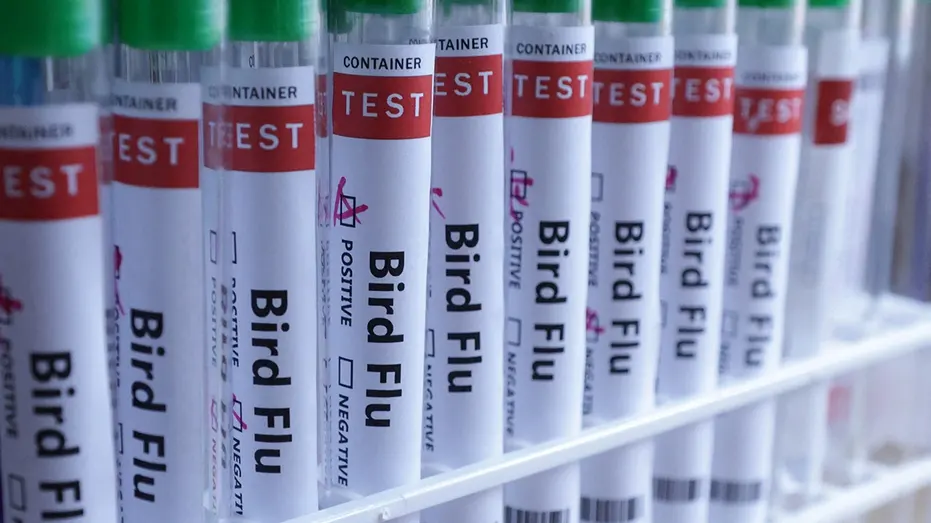
H5N1 Bird Flu Confirmed in Australia, Marking a Global Milestone
H5N1 bird flu confirmed in Australia – Australia has officially confirmed its first recorded instance of H5N1 bird flu, a development that signals the virus’s presence on every continent. This discovery underscores the ongoing spread of the disease, which has already impacted regions across Asia, Europe, Africa, and the Americas. The confirmation comes after extensive surveillance efforts and highlights the virus’s ability to transcend geographic boundaries, reaching even the remote corners of the world.
Australia’s First Case: A Brown Skua in Western Australia
The initial detection occurred in a single seabird, specifically a brown skua, near Esperance on the southern coast of Western Australia. This location is part of the Cape Le Grand National Park, a region known for its diverse wildlife. The Australian Department of Agriculture, Fisheries and Forestry (DAFF) reported the findings, emphasizing that the virus was identified in a wild bird rather than domestic poultry. This distinction is crucial, as it suggests the outbreak may be linked to migratory patterns rather than localized farm contamination.
Jackie Jarvis, the agricultural minister of Western Australia, highlighted the importance of the region’s early detection system during a press conference on Friday. “Our established protocols allowed for prompt action, including isolating the bird and collecting samples for analysis,” she stated. The response reflects Australia’s coordinated approach to managing the disease, with collaboration between state and federal agencies as well as stakeholders in the area.
“We all knew we couldn’t be bird flu-free forever,” said Julie Collins, Australia’s federal Agricultural Secretary, in a press conference on Saturday. Her comments underscored the inevitability of the virus’s global reach and the necessity of proactive measures to mitigate its impact.
Global Impact: From Pandemic Fears to Egg Shortages
The spread of H5N1 has raised alarms worldwide, with the Centers for Disease Control and Prevention (CDC) closely monitoring the situation for potential pandemic indicators. In the United States, the outbreak has already claimed millions of bird lives, disrupting ecosystems and causing significant economic repercussions. Grocery stores have seen increased prices and shortages, particularly affecting egg supplies, which are a critical component of the nation’s food system.
Experts warn that the virus’s ability to infect both birds and humans makes it a dual threat. While human transmission remains rare, the potential for it to evolve into a more virulent strain has prompted heightened vigilance. The recent cases in Australia add another layer to this concern, as the country’s geographic isolation has long been considered a barrier to the virus’s spread.
Historical Context: A Devastating Legacy on Remote Islands
The strain identified in Australia has previously caused devastation in the Heard Island and McDonald Islands (HIMI) region, located near Antarctica. These islands, designated as wildlife sanctuaries, have faced severe ecological challenges due to the virus. Last year, approximately 13,000 elephant seal pups perished within a short period, with the population of 17,000 experiencing a significant decline. The rapid spread of H5N1 in this area demonstrates the virus’s potency and the vulnerability of isolated ecosystems.
Jackie Jarvis noted that the current case near Esperance aligns with the same strain responsible for the HIMI outbreak. This connection reinforces the role of migratory birds in transporting the virus across vast distances. The seabird in question, a brown skua, may have played a key role in introducing the pathogen to Australia, highlighting the interconnectedness of global wildlife networks.
Monitoring and Preparedness: A Success Story?
Australia’s response to the outbreak has been praised for its efficiency and foresight. Jarvis emphasized that the surveillance and reporting system functioned as intended, with the bird promptly identified and sent to the Department of Primary Industries and Regional Development (DPIRD) for further investigation. “This shows our preparedness measures have been effective,” she added, stressing the importance of early detection in preventing larger-scale outbreaks.
While the virus has been confirmed in a single seabird, there is currently no evidence of mass mortality or poultry infection. A second case involving another migratory bird is also suspected near the same location, suggesting the outbreak may be the beginning of a broader trend. Scientists are now analyzing the implications of this discovery, particularly in terms of the virus’s adaptability and the risk of future transmission.
The confirmation of H5N1 in Australia marks a critical moment in the global fight against the virus. It serves as a reminder of the need for continuous monitoring and international cooperation. As the virus spreads, governments and health organizations must remain vigilant, ensuring that response strategies are both timely and effective. The role of migratory birds in this process cannot be overstated, as they act as natural vectors for the disease, linking distant regions in an invisible web of contagion.
Looking Ahead: A Call for Global Collaboration
The H5N1 virus’s arrival in Australia underscores the urgency of global efforts to track and contain its spread. With each new case, the risk of human infection increases, and the potential for a pandemic grows. Experts are now urging countries to strengthen their surveillance systems and prepare for worst-case scenarios. The lessons learned from the HIMI outbreak and the U.S. epidemic will be vital in shaping future responses.
As the world grapples with this evolving threat, the importance of early detection and rapid intervention becomes increasingly clear. Australia’s success in identifying and isolating the virus demonstrates the power of proactive measures, but the challenge remains in maintaining this vigilance across all regions. The collaboration between agencies and stakeholders in Western Australia sets a precedent for how other nations can manage similar outbreaks, ensuring that the virus does not gain a foothold in critical ecosystems or human populations.
With the virus now present on every continent, the race to understand its behavior and prevent its spread has intensified. Researchers are working tirelessly to determine whether the strain in Australia poses a unique risk or if it is part of a larger, more concerning pattern. The confirmation of H5N1 in Australia is not just a scientific milestone—it is a warning sign, prompting a renewed commitment to global health and conservation efforts.
Reuters contributed to this report, providing additional context on the virus’s impact and the measures being taken to address it. As the situation develops, the focus will remain on monitoring the virus’s spread, protecting vulnerable species, and ensuring that the lessons of this outbreak are applied to future challenges. The world is watching, and the response to this new case will shape the trajectory of the H5N1 pandemic in the years to come.