

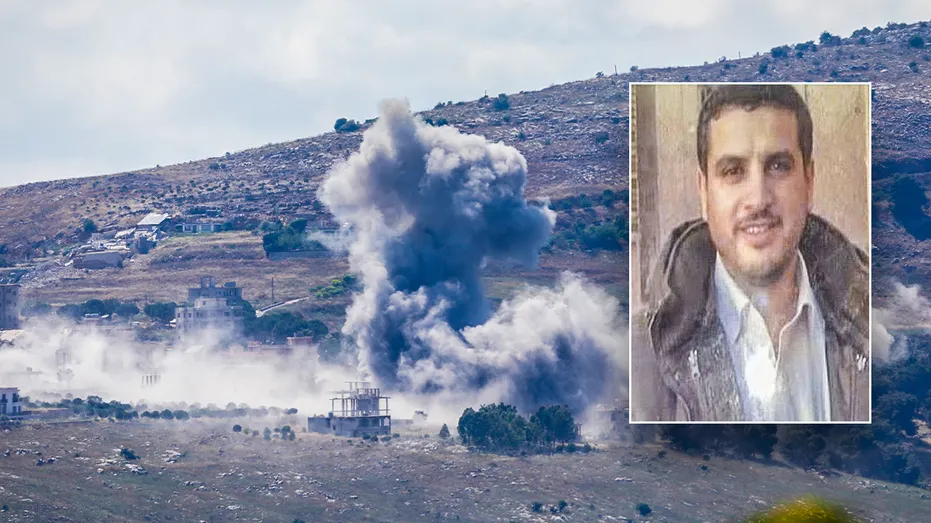
Israeli Defense Forces Eliminate Hezbollah Commander Linked to 2007 American Soldiers’ Attack
IDF announces elimination of Hezbollah commander – The Israel Defense Forces (IDF) confirmed the killing of a high-ranking Hezbollah leader linked to the 2007 abduction and assassination of five American soldiers. Ali Musa Daqduq, a prominent figure within the terror organization, was reportedly eliminated in a strategic attack in southern Lebanon, near the Litani River. The IDF highlighted his role in orchestrating attacks against Israeli civilians, military personnel, and American servicemembers, marking the operation as a critical strike against Hezbollah’s leadership.
Daqduq’s Role in Hezbollah Operations
The IDF described Daqduq as a key figure who held multiple senior positions within Hezbollah. His responsibilities included overseeing the security unit under the late leader Hassan Nasrallah, leading the Radwan Force, managing the Operations Department of the Nasser Unit, and directing the Infantry Unit. Additionally, he commanded the “Golan Terrorist Network,” a group instrumental in Hezbollah’s military presence in Syria and the establishment of weapons infrastructure close to Israel’s border. These roles placed him at the forefront of Hezbollah’s operations, making him a significant target for Israeli forces.
“Daqduq played a central role in advancing terrorist attacks and combat operations against Israel and IDF soldiers,” the IDF stated in a press release. “His elimination constitutes another significant blow to Hezbollah’s senior chain of command.”
Daqduq had previously been captured by U.S. forces in Iraq in 2007 but was returned to Iraqi custody in 2011 during the withdrawal of American troops under former President Barack Obama. Iraqi courts later dropped charges against him, and he was released in 2012. Despite this, the IDF maintains that his return to Hezbollah operations continued to threaten Israeli interests, culminating in his recent demise.
Beirut Strikes and Diplomatic Tensions
The announcement of Daqduq’s elimination coincided with Israeli strikes in the Dahieh district of Beirut, targeting Hezbollah infrastructure. Prime Minister Benjamin Netanyahu and Defense Minister Israel Katz jointly declared the action as a response to recent Hezbollah missile fire into Israeli territory. “Israel will not tolerate fire into its territory,” they emphasized, underscoring the military’s resolve to counter threats from the group.
“The IDF will continue to operate against commanders of the Hezbollah terrorist organization,” the statement added, reflecting ongoing efforts to dismantle the group’s leadership.
The strikes occurred during a pivotal diplomatic phase, as U.S.-backed negotiations aimed to finalize a broader regional agreement with Iran. President Donald Trump’s push for a deal with Tehran has drawn scrutiny, with critics arguing that the attacks could derail progress. “Bibi should not have done what he did,” Trump told Fox News’ Middle East correspondent Trey Yingst, questioning the timing of the strikes. “What the f–k are you doing?” he directed at Netanyahu, expressing frustration over the escalation.
Trump’s Response and Regional Implications
Trump reiterated his hope that the Iran deal would be signed before nightfall, promising immediate relief for Iranian ports once the agreement was ratified. However, the Beirut strikes have raised concerns about Israel’s influence on the diplomatic process. A diplomat involved in the talks told Fox News the attacks complicated efforts to secure the deal, accusing Israel of attempting to sabotage the agreement and pull the U.S. back into conflict. “The strikes today in Beirut are creating issues with finalizing the deal,” the diplomat said, highlighting the tension between military action and political negotiations.
“This is a clear attempt by Israel to sabotage the president’s deal and drag the United States back into war,” the diplomat added.
An Israeli official dismissed the criticism, stating that the strikes were a justified reaction to Hezbollah’s aggression. “We reject the notion that Israel is to blame for the exchange,” the official clarified, emphasizing the necessity of targeting commanders who had repeatedly challenged Israeli security. The IDF’s actions have reignited debates over the balance between military retaliation and diplomatic outreach, particularly as the U.S. seeks to broker peace in the region.
Historical Context and Hezbollah’s Threat
Daqduq’s involvement in the 2007 incident remains a defining moment in the Israel-Hezbollah conflict. That year, the group kidnapped and executed five American soldiers in a coordinated attack, an event that deepened the animosity between the two sides. Daqduq’s leadership in the Golan Terrorist Network further solidified his role in Hezbollah’s strategic expansion, including the development of military bases in Syria and the cultivation of ties with Iran. Israeli intelligence had previously uncovered the network’s activities in 2019, revealing its impact on regional instability.
The elimination of Daqduq represents a major disruption to Hezbollah’s operational hierarchy. His death not only removes a key planner of attacks but also weakens the organization’s ability to coordinate large-scale operations. Israeli officials have repeatedly cited Daqduq’s influence over hundreds of strikes against their forces, including the 2007 incident, as a justification for the targeted killings. Analysts note that such actions align with Israel’s broader strategy to neutralize high-value targets and reduce Hezbollah’s capacity to threaten Israeli security.
Broader Impact on the Israel-Hezbollah Conflict
The recent strikes come at a critical juncture for both nations, with the ceasefire that ended the latest war still in effect. While the agreement has allowed for temporary calm, the killing of Daqduq and the Beirut attacks signal that tensions remain high. The IDF’s continued operations against Hezbollah commanders indicate a willingness to maintain pressure even in the absence of full peace talks. This approach has drawn mixed reactions, with some applauding the military’s assertiveness and others warning of the risks to regional diplomacy.
Daqduq’s elimination also underscores the evolving dynamics of the Israel-Hezbollah relationship. His leadership in the Golan network had facilitated Hezbollah’s integration with Iranian military strategies, strengthening the group’s position in Syria. By removing him, Israel aims to curtail Hezbollah’s influence and disrupt its coordination with regional adversaries. The Golan network’s activities, which included the establishment of military outposts and supply lines, were previously exposed by Israeli intelligence, but Daqduq’s death marks a decisive step in dismantling these operations.
As the geopolitical landscape shifts, the IDF’s actions may have far-reaching consequences. The timing of the strikes could test the resilience of the U.S.-backed deal, potentially forcing a reassessment of diplomatic priorities. Meanwhile, Hezbollah’s response to the elimination of its commander will be closely watched, as the group seeks to regroup and maintain its foothold in the region. The conflict continues to evolve, with military and political strategies shaping the path forward for both Israel and its adversaries.