
Illegal Immigrant Truck Driver Charged in Trooper’s Death Amid Shift in Immigration Policy
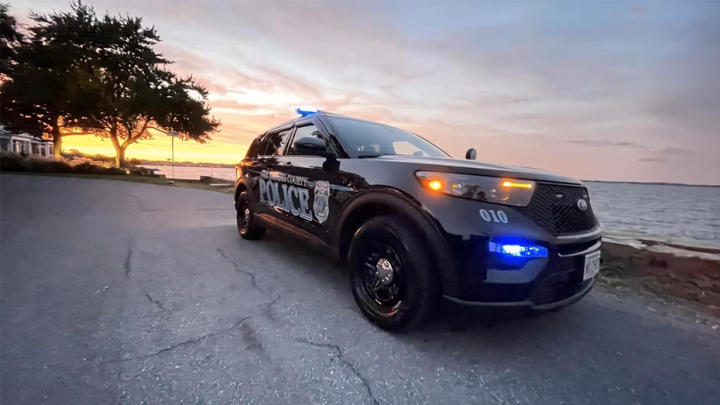
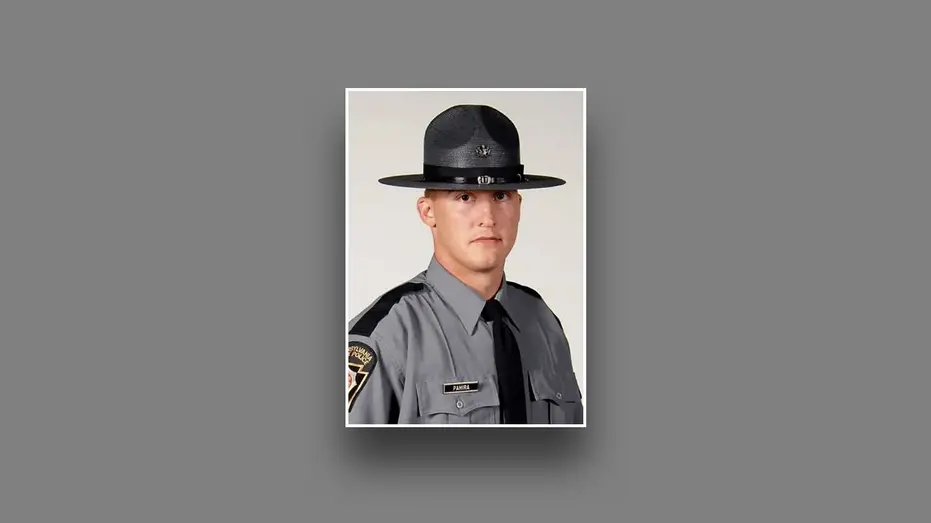
Illegal immigrant truck driver charged in death – A Pennsylvania State Police trooper, Michael E. Pahira Jr., 44, has died following a fatal collision involving an undocumented truck driver, Michael Bon, 33. The incident occurred on Interstate 81 in Schuylkill County, where Bon’s semi-truck collided with Pahira’s marked patrol vehicle, leading to a chain of events that claimed the trooper’s life. Authorities have charged Bon with homicide by vehicle, involuntary manslaughter, and reckless driving, among other lesser offenses. He is currently held in Schuylkill County Prison on $700,000 bail, with a court appearance set for July 15. The Department of Homeland Security has also issued an immigration detainer, aiming to expedite his removal from the country.
The Crash That Changed Lives
According to Pennsylvania State Police, the collision unfolded on Wednesday morning when Bon, while operating a commercial truck, failed to maintain control of his vehicle. It veered off the road, striking Pahira’s patrol car before colliding with the truck he was inspecting. Both vehicles caught fire, escalating the severity of the crash. Pahira, who had recently relocated to his hometown to support his mother’s medical needs, succumbed to his injuries at a local hospital. His death has reignited debates about the role of immigration status in commercial driving safety.
A Pattern of Concern
This incident is part of a growing trend of fatal accidents involving noncitizen commercial truck drivers, prompting stricter oversight under the Trump administration. The Department of Transportation has prioritized revising commercial driver’s license (CDL) rules following multiple incidents over the past two years. Transportation Secretary Sean Duffy has cited these cases as justification for tightening regulations, particularly targeting drivers who do not meet federal eligibility criteria. Last year, the department initiated a nationwide audit of states issuing non-domiciled CDLs, following a series of crashes in Wyoming, Florida, and California.
Immigration Status and Licensing Eligibility
Bon, a Haitian national residing in Brockton, Massachusetts, entered the U.S. in July 2024 through the Biden administration’s humanitarian parole program. He later sought Temporary Protected Status (TPS), but his application was denied. Despite this, the Department of Homeland Security (DHS) terminated his parole in June 2025 and ordered him to leave the country. However, Bon remained in the U.S., obtaining a non-domiciled CDL in March 2025 while still authorized to work under federal law. The Massachusetts Registry of Motor Vehicles noted that his license was initially issued in 2025, renewed in February 2026, before the Trump administration pressured states to halt renewals for ineligible drivers.
Policy Shifts and Legal Pressure
Transportation Secretary Sean Duffy has emphasized the need to ensure all commercial truck drivers are thoroughly vetted and qualified. His office has threatened to withhold federal funds from states that continue issuing or renewing non-domiciled CDLs for drivers who no longer meet eligibility standards. In April, this policy was enforced when over $73 million in federal aid was suspended from New York for failing to revoke licenses from ineligible drivers. The move underscores a broader effort to hold states accountable for maintaining the integrity of the licensing system.
Impact of the Trooper’s Death
Pahira’s death has drawn attention to the personal sacrifices of law enforcement officers, many of whom balance duty with family responsibilities. Before his fatal accident, Pahira had returned to his hometown to care for his mother, who was undergoing cancer treatment. His decision to relocate reflected a growing trend of public servants prioritizing family over professional commitments, especially during critical health crises. The tragedy has added a human dimension to the ongoing debate about immigration and commercial driving regulations.
Deportation Debates and Supreme Court Rulings
The case has also sparked discussions about the Supreme Court’s recent ruling on Temporary Protected Status, which influenced the Trump administration’s approach to immigration enforcement. In May, Transportation Secretary Sean Duffy addressed the issue during his State of the Union speech, citing 17 fatal crashes in 2025 that involved undocumented drivers. These incidents, he argued, highlighted the risks posed by drivers who lack proper documentation and federal approval. “The Department is going after every link in the chain to root out bad actors, fraudsters, and chameleon carriers who put American families at risk,” a spokesperson for the Transportation Department previously stated to Fox News Digital.
Community Response and Legal Accountability
Authorities have emphasized the importance of holding drivers accountable, regardless of their immigration status. Pennsylvania Governor Josh Shapiro paid tribute to Pahira, describing him as “the very best of us.” During a press conference, Shapiro shared stories of Pahira’s dedication to his family, including his high school wrestling record, passion for cooking, and commitment to caring for his ailing mother. “I spent time with Mike’s parents, Patti and Mike, his sister Jen, and some of his friends and fellow troopers,” Shapiro said, highlighting the personal impact of the tragedy.
Broader Implications for Immigration and Safety
The case raises questions about the intersection of immigration policy and public safety. Bon’s journey from humanitarian parole to deportation highlights the challenges faced by immigrants navigating legal systems. His decision to remain in the U.S. despite being ordered to leave underscores the complexities of enforcement. Meanwhile, the Transportation Department’s actions signal a shift in prioritizing compliance with federal regulations, even as states grapple with the economic and logistical implications of stricter licensing requirements.
A Call for Comprehensive Reform
Proponents of the policy argue that stricter CDL rules are necessary to prevent future tragedies. They point to the human cost of past incidents, including the recent Virginia bus crash that killed five people, which involved a driver who did not speak English. Duffy’s audit of states issuing non-domiciled licenses has intensified scrutiny of local programs, with the department asserting that only fully qualified drivers should be allowed to operate commercial vehicles. “We are not just enforcing rules—we are safeguarding communities,” Duffy stated in a recent address, framing the policy as a critical step in protecting American lives.
The Road Ahead
As the legal proceedings against Bon continue, the case serves as a focal point for ongoing discussions about immigration enforcement and commercial safety. The Department of Homeland Security’s immigration detainer aims to expedite his deportation, while the Transportation Department remains committed to its goal of restoring trust in the trucking industry. The outcome of Bon’s trial could set a precedent for how future cases are handled, blending immigration policy with transportation regulation in a high-profile intersection of law and life.
Ultimately, the incident has brought together issues of personal sacrifice, institutional responsibility, and national policy. As Bon faces potential charges, the broader implications of his actions resonate across communities, families, and legal frameworks, reinforcing the need for balance between flexibility and accountability in immigration and transportation systems.