

Massachusetts Homeowners Stunned by Town’s July 4 Flag Warning
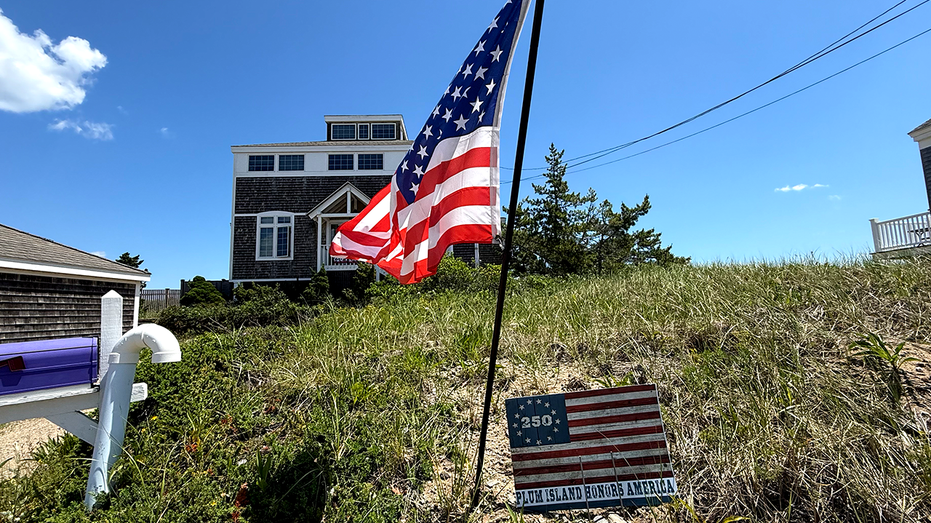
Massachusetts homeowners stunned after town warns – Residents of Plum Island, a Massachusetts coastal town, were left bewildered after receiving a notice from the local government stating that displaying flags on their property could potentially violate endangered species laws. The warning, issued just days prior to the nation’s 250th Independence Day celebration, ignited a mix of confusion and frustration within the community. For many, the message seemed to target their traditional patriotic displays, raising questions about the town’s intent and the scope of its regulations.
Alert About Bird Protection Measures
The Town of Newbury issued a letter to property owners, highlighting its awareness of activities aimed at deterring protected shorebirds from their natural habitats. The document listed items such as “mylar streamers, flags, and reflective materials” as examples of devices that could disrupt the birds’ behavior. According to the letter, obtained by Fox News Digital, such actions might be classified as harassment or disruption of essential ecological functions, including feeding, nesting, and migration. This classification carries legal consequences under both state and federal Endangered Species Acts, potentially leading to fines or enforcement actions.
Residents were surprised to learn that their simple act of flying flags—a common practice during the Fourth of July—could now be scrutinized under environmental regulations. Marc Sarkady, a lifelong resident of the island, expressed his disbelief, stating, “Are you serious?” during an interview with Fox News Digital. He questioned whether the town was implying that celebrating America’s 250th anniversary was incompatible with wildlife conservation efforts.
Clarifying the Town’s Intent
Newbury Town Administrator Tracy Blais clarified that the warning was not meant to ban patriotic decorations. In a statement, she emphasized that the town had no authority to restrict property owners’ rights for ordinary or ceremonial purposes. “We are not interfering with the rights of residents to celebrate,” Blais said. “The letter simply reminds them of the responsibilities that come with living in a unique natural environment.” She added that the town had agreed to help spread awareness about bird protection, as requested by the Massachusetts Division of Fisheries and Wildlife.
The letter, however, sparked debate over whether it carried an implicit message about the importance of conserving the island’s wildlife. Sarkady argued that the beach area, which spans approximately 10 miles of open dunes, is a natural preserve where birds thrive without human interference. “To us, it feels like folks are being overly strict,” he said. “This is a place that belongs to nature, not to us for our decorations.” His sentiment reflects the broader concern among locals that the warning could be perceived as an overreach, especially given the timing of the national celebration.
Grassroots Efforts Before the Warning
Before the recent notice, residents of Plum Island had already launched a grassroots initiative to commemorate the country’s 250th anniversary. Sarkady and others distributed around 50 American flags and approximately 100 revolutionary-style flag signs across the island, featuring the message “Plum Island Honors America.” The effort aimed to foster a sense of community and shared pride, with Sarkady noting that the campaign was inclusive of all residents, regardless of political affiliation.
“It’s really about bringing people together,” Sarkady explained. “Everyone, whether left or right, is part of this nation. The goal was to celebrate our heritage and create a visible tribute to the country’s history.” Despite the community’s enthusiasm, the town’s warning came as a sudden disruption, leaving some to wonder if the officials were targeting their efforts.
Previous Conflicts Over Beach Decorations
Sarkady revealed that this was not the first time local officials had raised concerns about beachfront decorations. Last year, a Massachusetts Division of Fisheries and Wildlife representative sent a nearly identical letter to one of his neighbors after she displayed ornamental banners on her lawn. He claimed that the official had directly contacted her, threatening severe penalties if she continued her displays.
“That person actually threatened the citizen from Plum Island with fines and even jail time,” Sarkady said. “She felt very threatened and eventually took down her decorations out of fear.” The neighbor’s experience, he suggested, set the stage for the current situation, where the town’s message was interpreted as a broader crackdown on patriotic symbols.
MassWildlife, the state agency involved, responded by stating that it had not issued any violation letters or notices to these landowners. A spokesperson told Fox News Digital, “MassWildlife is not prohibiting residents from displaying American flags on their property. The letter was meant to inform and educate, not to enforce restrictions.” However, the town’s wording in the notice left room for interpretation, fueling the community’s apprehension.
Community Reaction and Broader Implications
Residents have since voiced their concerns, with some accusing the town of using the endangered species law as a tool to curb their freedom of expression. The timing of the warning—just days before a major national event—has heightened the emotional impact of the message. For many, the flags represent a connection to the nation’s history and a celebration of shared values.
“It’s hard to imagine that flying a flag could be seen as a threat to birds,” said one resident. “We’re not harming anything; we’re just honoring our country.” Others echoed this sentiment, arguing that the town’s approach overlooked the cultural significance of the decorations. “These flags are part of our identity,” another resident remarked. “To label them as a danger feels like a symbolic attack on our traditions.”
The situation has also raised questions about the balance between environmental protection and community expression. While the endangered species law is designed to safeguard vulnerable wildlife, its application to everyday decorations has sparked a debate about how broadly it can be interpreted. Some argue that the law’s intent is to protect habitats, not to restrict personal commemorations. Others believe that the warning could be a precedent for more stringent regulations in the future.
As the community continues to grapple with the implications of the notice, the incident serves as a reminder of the challenges that arise when conservation efforts intersect with cultural practices. For now, residents are left to navigate the fine line between celebrating their heritage and protecting the natural environment that surrounds them. The outcome of this situation may well shape how future patriotic displays are viewed in the context of environmental stewardship.
Conclusion and Next Steps
In the wake of the warning, the town has yet to provide further clarification on the specific criteria for compliance. Meanwhile, residents are considering their options, with some advocating for a dialogue between the community and local officials. “We need to understand the rules before we question them,” Sarkady said. “If the town can explain how flags contribute to habitat disruption, we’ll be more open to adjusting our displays.” For now, the celebration of America’s 250th anniversary remains a point of contention, highlighting the complex relationship between environmental conservation and cultural expression in coastal communities.