
NYC Rent Board Dissenter Warns Mamdani-Backed Freeze Could Harm Affordable Housing Over Time: ‘Slow Burn’
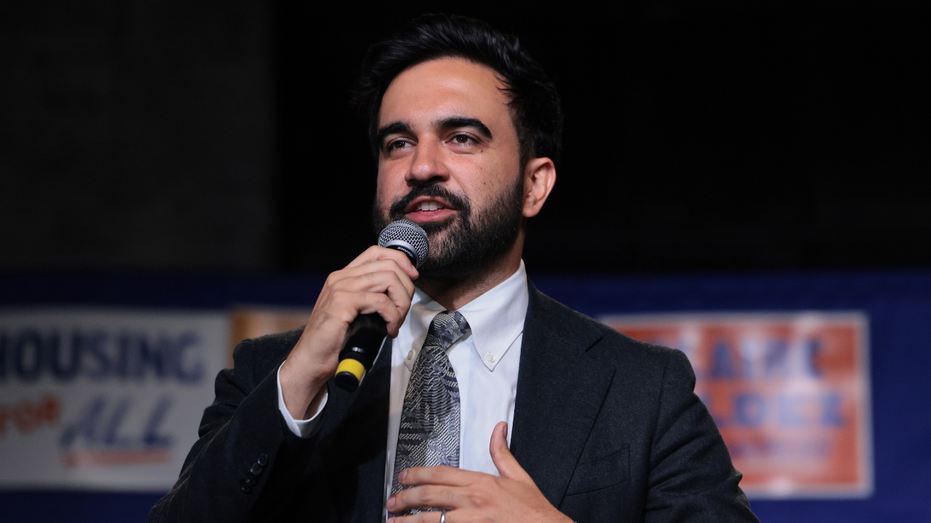
NYC rent board dissenter warns Mamdani – Arpit Gupta, a sole dissenting voice on the New York City Rent Guidelines Board (RGB), opposed the recent rent freeze decision, citing concerns about its long-term impact on the city’s housing market. As an associate finance professor at New York University’s business school, Gupta argued that the policy might gradually erode the quality of older rent-stabilized buildings. He emphasized that depriving landlords of necessary revenue could lead to deferred maintenance, ultimately degrading the living conditions for tenants. While acknowledging the challenges faced by many landlords, Gupta warned that the freeze’s effects would be felt slowly but surely across the affordable housing sector.
Financial Strain on Stabilized Housing
Gupta, who was first appointed to the board by former Mayor Eric Adams in 2022, highlighted that the financial pressures on rent-stabilized housing stock are uneven. Older buildings, which rely heavily on regulated rents, would face a greater burden compared to newer, mixed-income properties. He pointed out that the current freeze, which applies to one- and two-year leases starting October 1, 2026, and lasting until September 30, 2027, could force landlords to wait until late September 2029 before raising rents again. This extended period, Gupta suggested, might create a cascading effect of financial strain, with landlords potentially struggling to cover rising property taxes, insurance, and mortgage payments.
“It’s a little bit of a slow burn,” Gupta said. “The risk is that the buildings do go under more distress. There are a variety of responses. One is … deferred maintenance, which will worsen the physical conditions of buildings.”
He also noted that the freeze could make it harder for landlords to manage their expenses, particularly as costs for insurance and property taxes continue to climb. “There are other avenues of distress, like going behind on mortgage payments, insurance payments, eventually property taxes, which leaves the property to be transferred in ownership to a bank or to the city, possibly for a tax lien sale,” Gupta added. The policy, he argued, risks creating a systemic problem that could threaten the stability of entire neighborhoods.
Broader Implications and Targeted Solutions
RGB Chair Chantella Mitchell, whom Mayor Zohran Mamdani appointed in February, acknowledged the challenges faced by landlords during her remarks after the June 25 vote. She noted that rising costs for property taxes and insurance have placed significant pressure on the sector but maintained that most landlords “remain able to meet rising costs.” Gupta, however, disagreed with the idea that the freeze is a fair solution. He suggested that the policy should be refined to better address the affordability crisis, rather than applying a one-size-fits-all approach.
Gupta advocated for a more targeted strategy, such as directing aid specifically to tenants in need while allowing struggling buildings to continue adjusting rents as necessary. “About 30% of the tenants in rent-stabilized housing make six figures or more,” he explained. “At the same time, many individuals in market-rate housing are below the poverty line.” This contrast, he argued, means the current freeze benefits one segment of the housing market while neglecting others. “So, to have a system that provides so many benefits for one sector of the housing stock while completely leaving out the market-rate tenants — whose rents might actually go up because of the dynamics of freezing one part of the housing stock — means that we have an incompletely targeted program,” Gupta said.
Eviction Protests and Policy Criticism
The debate over the rent freeze has sparked broader unrest in the city. In early June, a video captured the arrest of NYC councilman and Mamdani ally Chi Ossé during an eviction protest, underscoring the public’s frustration with the policy. Gupta, who has consistently criticized the freeze, views it as a blunt instrument that fails to consider the nuanced realities of New York’s housing landscape. He believes the freeze could incentivize landlords to leave units vacant, as seen in reports from Gothamist that highlighted over 57,000 stabilized apartments being unoccupied in April 2025.
While state housing officials noted that some of the vacant units were temporarily unoccupied due to tenant transitions, Gupta argued that the freeze exacerbates the issue. He explained that landlords are unable to recoup costs for rehabilitating apartments before re-leasing them, a problem he attributes to the elimination of the “vacancy bonus” in the 2019 Housing Stability and Tenant Protection Act. This change, which allowed owners to increase rents by up to 20% after a tenant left, has made it harder for landlords to balance their budgets. “Many landlords point to the 2019 Housing Stability and Tenant Protection Act as the main catalyst for falling revenues,” Gupta said. “The law eliminated the so-called ‘vacancy bonus,’ which allowed owners of stabilized units to raise the rent by up to 20% after a tenant left. Landlords say the change made it harder to recoup the cost of renovating apartments before renting them to a new tenant.”
Gupta acknowledged the board’s efforts to ease affordability pressures in the past but stressed that the current approach might not be sustainable. He warned that the freeze could lead to a scenario where landlords are forced to cut corners, potentially sacrificing the quality of housing for tenants. “I see where Mitchell and her colleagues are coming from,” he admitted. “But I believe the freeze is a long-term threat to the affordability of housing. If we don’t address the imbalance between rent-stabilized and market-rate tenants, we risk creating a situation where the entire system becomes less stable.”
Need for Expanded Relief Programs
Gupta suggested that the city’s existing programs, which provide rent freezes for seniors and disabled individuals, should be expanded to include more low-income residents. He argued that such targeted relief could alleviate pressure on the most vulnerable tenants without stifling the financial flexibility of other housing sectors. “Instead of limiting relief to rent-stabilized tenants, we should broaden the scope of these programs,” he said. “That way, we can ensure that the most struggling households receive support while allowing the market to function more efficiently.”
The debate over the rent freeze reflects a growing tension between affordability and sustainability in New York’s housing market. As the city moves forward with the policy, Gupta and other critics will continue to monitor its effects, hoping to prevent a scenario where affordable housing becomes increasingly scarce. With the freeze set to impact nearly 1 million apartments, the question remains whether the policy will provide relief or trigger a deeper crisis in the years to come.