
Supreme Court’s Immigration Ruling Sparks Concerns Over American Impact
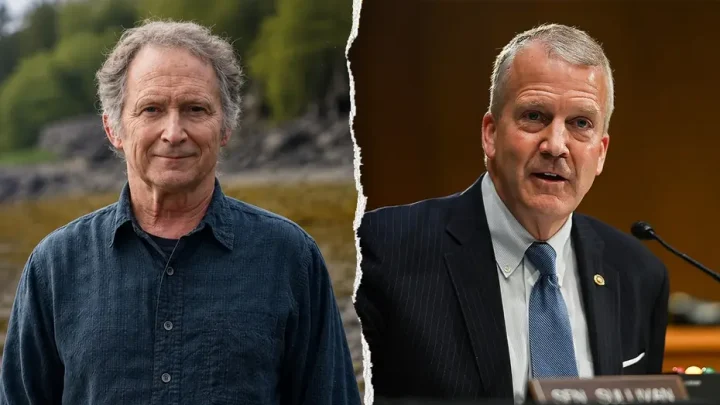
Supreme Court s latest immigration ruling – The Supreme Court’s latest immigration decision has sparked alarm among legal experts, with attorney Allen Orr warning of severe consequences for American communities. In a recent case, Mullin v. Doe, the court ruled in favor of the Trump administration’s plan to end Temporary Protected Status (TPS) for Haitian and Syrian nationals. Orr argues that this shift could lead to a crisis, where thousands of individuals face displacement and potential life-threatening situations. He stressed the importance of the ruling’s implications, noting that the policy change may disrupt essential services and weaken the backbone of industries reliant on immigrant labor.
Supreme Court Validates TPS Termination as Legal Authority
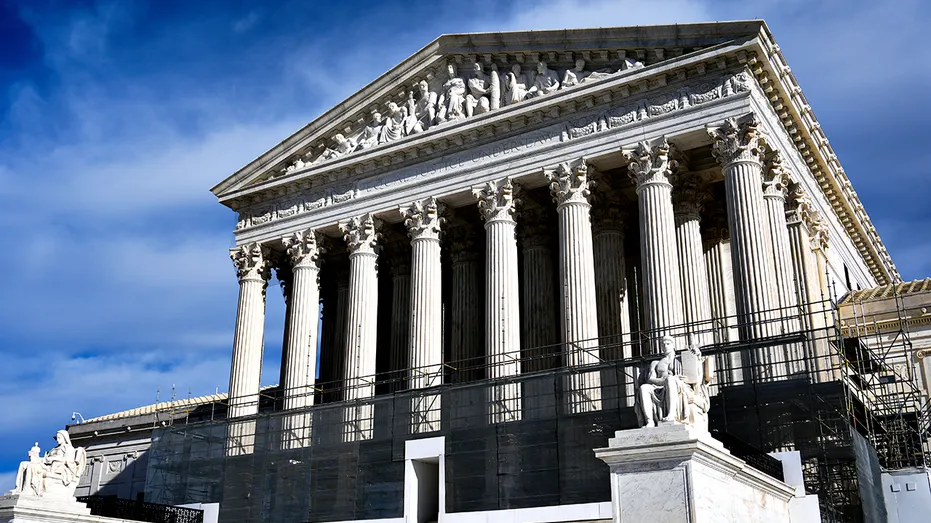
With a 6-3 vote, the Supreme Court affirmed the Department of Homeland Security’s (DHS) authority to end TPS for Haitian and Syrian nationals. The decision reversed lower court rulings that had temporarily blocked the Trump administration’s efforts, allowing the removal of protections granted after natural disasters and conflicts. This ruling aligns with the administration’s broader strategy to streamline immigration policies, emphasizing that TPS was designed as a temporary measure. Critics, however, argue that the term “temporary” has been stretched, leaving vulnerable populations exposed to long-term instability.
“The Supreme Court’s latest immigration ruling removes a critical safety net for individuals who have built lives and livelihoods in the U.S.,” Orr stated. “These people are not just filling jobs—they’re sustaining entire sectors. When you strip them of their status, you create a ripple effect that impacts healthcare, agriculture, and even education.”
Impact on American Workforce and Services
Orr, who has advocated for Haitian nationals in the case, described the ruling as a “devastating” blow to the American workforce. He pointed to the home healthcare industry as a prime example, where many caregivers are immigrants. “Without these workers, essential services could be jeopardized, and the U.S. may face a shortage of skilled labor,” he warned. The attorney also highlighted that the policy change could lead to an increase in poverty and a decline in community cohesion, as families are torn apart by sudden displacement.
“The Supreme Court’s latest immigration ruling doesn’t just affect policy—it changes the trajectory of people’s lives,” Orr said. “This isn’t about legal technicalities; it’s about real people who will die and suffer because of decisions made by the highest court in the land.”
White House’s Perspective on the Policy Shift
The White House has praised the Supreme Court’s decision as a necessary step in immigration reform. Spokesperson Abigail Jackson emphasized that TPS was always meant to be a short-term solution, not a permanent pathway to residency. “The Trump administration has consistently worked to ensure our immigration system reflects the reality that temporary protections are not indefinite,” she noted. This framing underscores the administration’s belief that ending TPS aligns with the original intent of the policy, even as opponents highlight its humanitarian and economic benefits.
“By upholding the Supreme Court’s latest immigration ruling, the administration is reinforcing its commitment to a more flexible and secure immigration framework,” Jackson added. “This decision allows the U.S. to address long-standing issues in the system, such as overstretched resources and outdated provisions.”
Historical Context and TPS Revocation Process
The TPS status for Haitians was initially established in 2010 following the earthquake that devastated the country. It provided work permits and deportation protection to over 120,000 individuals. The Trump administration sought to revoke this status in 2017, citing national security and economic factors. Despite legal challenges, the policy was finalized in 2025 under Secretary Kristi Noem, marking a significant turning point in immigration history. This process reflects a pattern of using the Supreme Court’s authority to reshape immigration policies in line with political priorities.
“The Supreme Court’s latest immigration ruling is part of a larger trend of dismantling protections that have supported millions of Americans,” Orr explained. “This decision represents a shift from a court of equity to one that prioritizes policy over people’s well-being.”
Broader Implications for Immigration Policy
Legal analysts suggest that the Supreme Court’s latest immigration ruling sets a precedent for future policy changes. By endorsing the Trump administration’s approach, the court has signaled its willingness to allow more aggressive modifications to immigration status. This has raised concerns among advocates about the potential erosion of immigrant rights and the impact on diverse communities. “The ruling opens the door for more drastic actions,” said Orr. “It’s a message that temporary status can be revoked at any time, leaving people in uncertainty.”