
Butterfly numbers are dropping but here are five species you may see more of
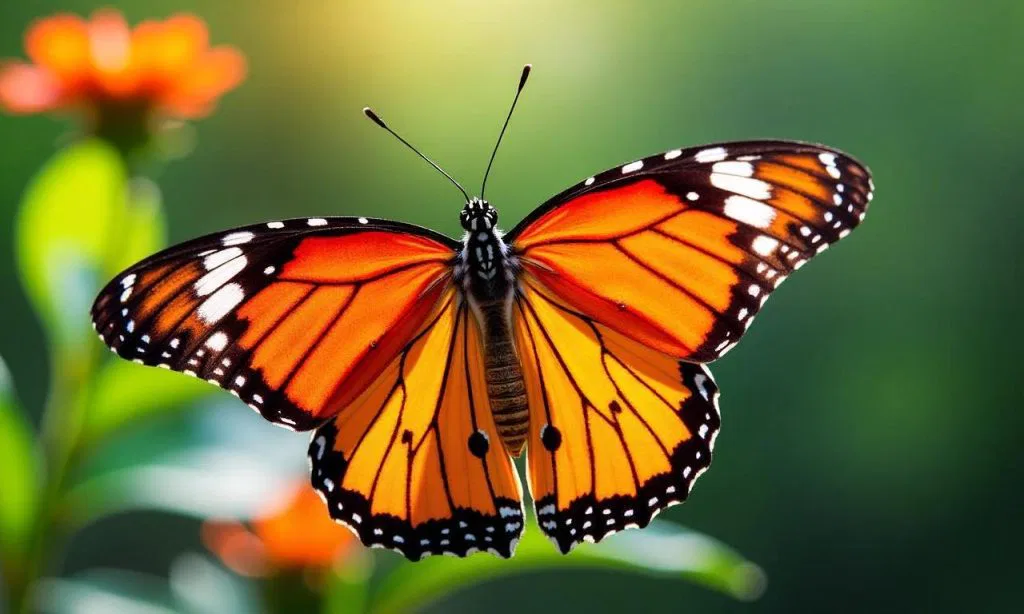
Five UK Butterfly Species Thriving Amid Declining Numbers
The UK’s warmer climate over the past 50 years has benefited certain butterfly species, according to one of the world’s most extensive insect monitoring programs. Yet the broader trend indicates a concerning decline among many of the nation’s most recognizable butterflies. This insight stems from the UK Butterfly Monitoring Scheme (UKBMS), a long-term citizen science initiative that has amassed over 44 million records from 782,000 volunteers since 1976.
Of the 59 native species tracked by the scheme, 33 are showing significant reductions, 25 are on the rise, and one mountain-dwelling species lacks enough data for evaluation. Species that have fared well include the Red admiral, now spending winters in the UK as temperatures rise. Comma butterflies, noted for their frayed wing edges, have rebounded since the program’s inception. Orange tips have seen a 40% increase, while the Black hairstreak—once critically rare—benefits from targeted conservation. The Large Blue, which vanished in 1979, has also made a comeback due to habitat restoration.
The UK Butterfly Monitoring Scheme
Spanning over half a century, the UKBMS represents a monumental public effort, with volunteers traversing more than 932,000 miles across 7,600 sites. Its data underscores a critical shift: adaptable species are outperforming their more specialized counterparts. Butterflies that thrive in varied environments, such as farmland and gardens, are holding their own or even increasing. Warmer conditions, linked to climate change, are aiding this resilience by extending breeding seasons and geographic ranges.
Butterflies dependent on specific habitats—like woodland clearings or chalk grasslands—are facing steep challenges. As these environments shrink, so do their populations. The white-letter hairstreak, whose caterpillars emit a glow under UV light, has dropped by 80% since the scheme began. Similarly, the pearl-bordered fritillary, known for its vibrant orange-and-black pattern, has declined by 70%. Even some adaptable species, such as the small tortoiseshell, have seen an 87% drop.
“The data collected over five decades is extraordinary,” said Prof Jane Hill, a butterfly expert at the University of York. “It sets a benchmark for global wildlife surveys.”
Prof Hill emphasized that butterflies, being cold-blooded, respond positively to milder conditions. “Many British butterflies reach their northern boundary here, so they can now expand into Scotland and northern England,” she noted. However, the same warming trend does not help all species equally. Those reliant on narrow food sources, such as the Duke of Burgundy on primroses and cowslips, or the purple emperor on willows, struggle as their habitats diminish.
Conservation efforts focus on preserving and expanding critical habitats, especially amid land-use changes like intensive farming. Projects such as Butterfly Conservation’s Magdalen Hill Downs reserve aim to create diverse ecosystems to support species with specific dietary needs. “Without this timeline, we’d be flying blind,” said Steve Wilkinson of the Joint Nature Conservation Committee. “The volunteers’ work ensures we can measure progress and adjust strategies accordingly.”
