
Trump Criticizes ‘Lunatic’ John Bolton After Ex-Aide’s Guilty Plea in Classified Documents Case
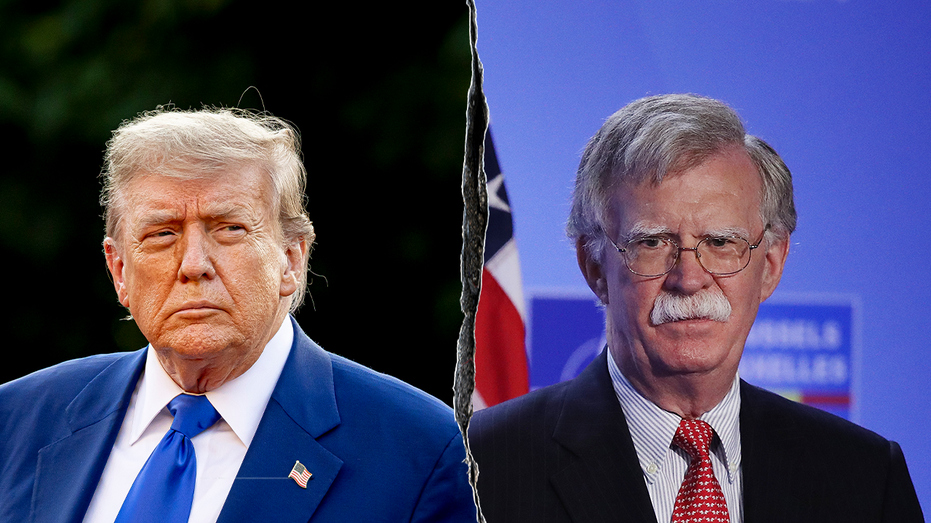
Trump unloads on lunatic John Bolton – President Donald Trump took aim at former National Security Adviser John Bolton on Friday following the ex-adviser’s admission to mishandling classified national defense materials. Bolton, who once served as a key figure in the Trump administration, pleaded guilty to one charge of unauthorized possession of a classified document during a hearing in U.S. District Court in Greenbelt, Maryland. The plea agreement, which was announced hours before Trump’s public reaction, will result in the dismissal of the remaining 17 counts against Bolton at sentencing.
Bolton, 77, is set to receive his sentence on October 28. Under the terms of his agreement, he faces a maximum fine of $2.25 million, up to five years in federal prison, three years of supervised release, 100 hours of community service, and the loss of his federal retirement pension. His legal team has expressed hope that the sentence will avoid incarceration, emphasizing Bolton’s intent to take responsibility for his actions. “He took accountability for a mistake, thereby conserving government resources and preventing further exposure of sensitive information,” stated his attorney, Abbe Lowell.
Trump’s response to Bolton’s plea was swift and scathing. In a post on his Truth Social platform, the president labeled Bolton a “very dumb, unbalanced, and unskilled” former representative, accusing him of being a “terrible person” who sought to incite conflict and “push death and destruction” wherever he went. He also described Bolton as a “lunatic” who was eager to “start trouble and wars,” suggesting the ex-adviser’s actions were motivated by personal vendettas rather than negligence.
Bolton’s guilty plea followed allegations that he unlawfully kept classified national defense information after leaving the government. Prosecutors claimed he retained more than 1,000 pages of notes detailing his work as national security adviser, including top secret documents related to covert operations, human intelligence sources, and foreign military threats. These materials were reportedly shared with two family members via a personal email account, which authorities argued violated federal security protocols.
FBI Director Kash Patel highlighted the significance of the case, stating that the investigation demonstrated Bolton’s “knowing mishandling” of classified information. “This FBI’s work proved that John Bolton knowingly transmitted top secret materials using personal online accounts and retained them in his home,” Patel said in a statement to Fox News Digital. “Despite false claims by the media that this was ‘retribution,’ the case was built on meticulous evidence gathered by dedicated professionals who followed the facts without bias.”
The case has been characterized as involving “very damning” evidence by legal experts, who warned of the national security risks posed by Bolton’s actions. The investigation revealed that Bolton had accessed classified information after his tenure, potentially exposing sensitive data to unauthorized individuals. His defense team has framed the offense as a minor one, arguing that he kept a diary to preserve historical records rather than engage in deliberate espionage. “Ambassador Bolton’s act was simply retaining a diary, while Trump kept secrets to serve his own interests,” Lowell added.
Bolton’s relationship with Trump deteriorated significantly after the release of his 2020 memoir, “The Room Where It Happened,” which offered a critical perspective on the president’s policies and leadership. The Trump administration had previously attempted to block the book’s publication, alleging it contained classified information. However, Bolton never faced charges related to those claims. His legal team now contends that his guilty plea was a strategic move to avoid further scrutiny and protect additional classified material from being disclosed.
Bolton’s tenure as national security adviser, which lasted from April 2018 to September 2019, was marked by frequent clashes with Trump. The president accused Bolton of being overly critical and “taking the side of the enemy,” while Bolton criticized Trump’s foreign policy decisions and leadership style. These tensions culminated in their public falling out, with Trump ultimately firing Bolton and the ex-adviser citing resignation as his reason for leaving the administration.
Trump’s comments on Friday underscored his continued skepticism of Bolton’s motives and actions. He framed the guilty plea as evidence of Bolton’s unreliability, suggesting the ex-adviser’s behavior was a reflection of his broader hostility toward the Trump administration. “Bolton only wanted to start wars and create chaos,” Trump wrote, contrasting his own approach to classified information with Bolton’s alleged negligence. The president also emphasized his own record, claiming he had taken steps to safeguard national secrets while Bolton had failed to do so.
Bolton’s case has sparked discussions about the balance between preserving historical records and upholding national security. While prosecutors argue that his actions were a clear breach of protocol, his defense highlights the context of his role as a chronicler of events. “Bolton’s diary was meant to capture the essence of his time in office, but the government treated it as a crime,” Lowell noted. This contrast has fueled debates about the intent behind each party’s handling of classified materials, with Trump’s critics accusing him of downplaying the importance of security laws.
The plea agreement, which includes the dismissal of 17 charges, marks a significant step in the legal process for Bolton. However, the case remains a point of contention in the ongoing discourse about accountability and transparency within the Trump administration. As Bolton prepares for sentencing, the political implications of his guilty plea will continue to shape public perceptions of both the former adviser and the former president.
Key Details of the Classified Documents Case
Bolton’s offense centered on his retention of classified materials after resigning from the administration. The FBI alleged that he unlawfully kept top secret documents, including notes detailing his day-to-day responsibilities, and shared portions with family members via a personal email account. This act was seen as a direct violation of federal laws designed to protect sensitive information from unauthorized access.
The documents in question were described as highly sensitive, containing details about covert operations, intelligence sources, and foreign military threats. These materials, if leaked, could have compromised U.S. security interests, prompting concerns about the potential risks of Bolton’s actions. Prosecutors emphasized that the case was not a political move but a result of thorough investigation into his conduct.
Trump’s criticism of Bolton has been a recurring theme since their falling out in 2019. The president has consistently portrayed Bolton as an erratic figure who sought to undermine his policies, while Bolton has framed his actions as necessary for exposing perceived flaws in the administration. This dynamic has played out in the courtroom, with Trump using the plea to reinforce his narrative about Bolton’s unreliability.
The guilty plea also reflects the broader context of classified documents cases in recent years. Bolton’s case is part of a series of legal actions that have tested the boundaries of information security within the executive branch. His legal team has argued that the plea was a prudent choice, given the potential consequences of a prolonged trial.
As Bolton prepares to face the full weight of his sentence, the case serves as a reminder of the challenges in managing classified information, especially in high-profile political environments. The contrast between Bolton’s accountability and Trump’s perceived disregard for the rules has become a focal point in the ongoing debate about leadership and responsibility in the Trump era.